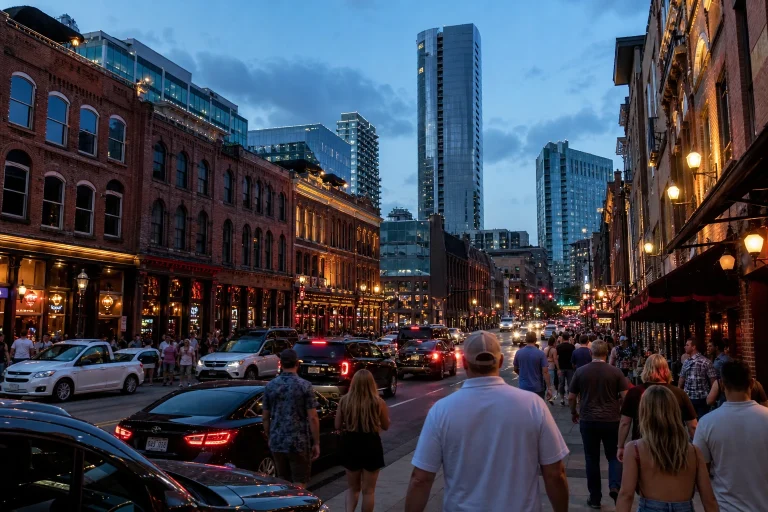
Nashville Itinerary for History Lovers
Plan two history-rich days in Nashville, with the Tennessee State Museum, Bicentennial Capitol Mall, the Capitol area, and Andrew Jackson’s Hermitage.
Nashville history is easier to enjoy when the stops are grouped well.
Museums, estates, music-history sites and civil-rights stops can be powerful, but they work best with realistic routing.
This Nashville itinerary for history lovers divides the city’s major state-history experiences into two manageable days. Day one stays around the Tennessee State Museum, Bicentennial Capitol Mall, and the Capitol area. Day two reserves at least half a day for Andrew Jackson’s Hermitage, a large historic property that deserves more than a hurried stop.
- Plan this itinerary for two days rather than squeezing both areas into one rushed outing.
- Visit the Tennessee State Museum between Tuesday and Saturday when possible; it is closed Monday and has shorter Sunday hours.
- Reserve a timed arrival block for Andrew Jackson’s Hermitage before your trip.
- Allow extra time for the Hermitage grounds, gardens, historic buildings, and interpretation of the enslaved community.
- Recheck operating hours, tickets, parking, transit, weather, and event-related access shortly before leaving.
Tuesday through Saturday is the easiest fit for this plan. The Tennessee State Museum currently opens at 10 a.m. on those days, giving you a full morning and afternoon in the state-history district. Sunday can work, but the museum’s published 1 to 5 p.m. schedule leaves less room for the surrounding area.

Jack Daniel's Tour, Tasting, & Lynchburg Visit with Bonus Tasting
Join Mint Julep Experiences for an unforgettable journey to Lynchburg, where the legacy of Jack Daniel's Tennessee whiskey comes to life. Enjoy time i...

Nashville's Goo Goo Chocolate Tasting & Candy Making Class
With a local instructor as your host, you’ll learn all about America’s first combination candy bar and it’s significance to Nashville history. A...
Why two days produce a better history itinerary
The two main stops require different kinds of attention. The Tennessee State Museum anchors a flexible city-center day, while the Hermitage combines exhibits, a mansion tour, gardens, historic buildings, and extensive outdoor grounds. Separating them gives you time to absorb the interpretation instead of watching the clock.
The split also reduces transportation pressure. You can keep the first day flexible around the museum and civic area, then choose a car, taxi, or rideshare for the Hermitage day. That added scheduling control is helpful because Hermitage tickets use 30-minute arrival blocks.
Two-day Nashville history itinerary at a glance
| Day and period | Main plan | Planning priority |
|---|---|---|
| Day 1 morning | Tennessee State Museum | Arrive near opening time and explore at your own pace. |
| Day 1 midday | Break beside the museum at the Nashville Farmers’ Market | Keep the break flexible so you do not rush the galleries. |
| Day 1 afternoon | Bicentennial Capitol Mall and the Capitol area | Leave time for outdoor walking and changing weather. |
| Day 2 | Andrew Jackson’s Hermitage | Reserve an arrival block and allow at least half a day. |
This schedule works best as a framework rather than a minute-by-minute checklist. Museum reading pace varies, and the Hermitage mansion tour does not necessarily begin at the exact time printed on your arrival ticket. Build breathing room into both days.
Places to stay for this itinerary
Pair the day-by-day plan with a hotel location that keeps the trip simple.
 Featured stay
Drury Plaza Hotel Nashville Downtown
- Free WiFi
- Non-smoking rooms
- Air conditioning
Central Location in Nashville Located in the heart of Nashville, Drury Plaza Hotel Nashville Downtown offers air-conditioned rooms with modern amenities and a range of facilities for a comfortable stay. Convenient Amenities Guests can enjoy a…
- Room, 2 Queen Beds, Hearing Accessible (Hearing…
- Breakfast Included
- Non-refundable rate
 Guest favorite
Cambria Hotel Nashville Downtown
- Free WiFi
- Non-smoking rooms
- Air conditioning
Central Location Located in the heart of Nashville, Cambria Hotel Nashville Downtown offers a convenient stay near popular attractions like Bridgestone Arena, Ryman Auditorium, and the Johnny Cash Museum. Modern Amenities Enjoy air-conditioned rooms, an outdoor…
- 2 Queen Beds, Nonsmoking
- Room Only
- Refundable until Nov 10
 Guest favorite
La Quinta Inn & Suites by Wyndham Nashville Downtown Stadium
- Free WiFi
- Non-smoking rooms
- Air conditioning
Central Location in Nashville Located in the heart of Nashville, La Quinta Inn & Suites by Wyndham Nashville Downtown Stadium provides a convenient base for exploring the city. Situated near top attractions like Nissan Stadium and…
- 2 Queen Bed Room
- Breakfast Included
- Non-refundable rate
Confirm schedules, tickets, and weather before setting out
The Tennessee State Museum currently operates Tuesday through Saturday from 10 a.m. to 5 p.m. and Sunday from 1 to 5 p.m. It is closed Monday. Admission is free. Andrew Jackson’s Hermitage currently lists daily hours of 8:30 a.m. to 6 p.m., with the final ticket sold at 5 p.m. and mansion visitors required to join the line by 5:30 p.m.
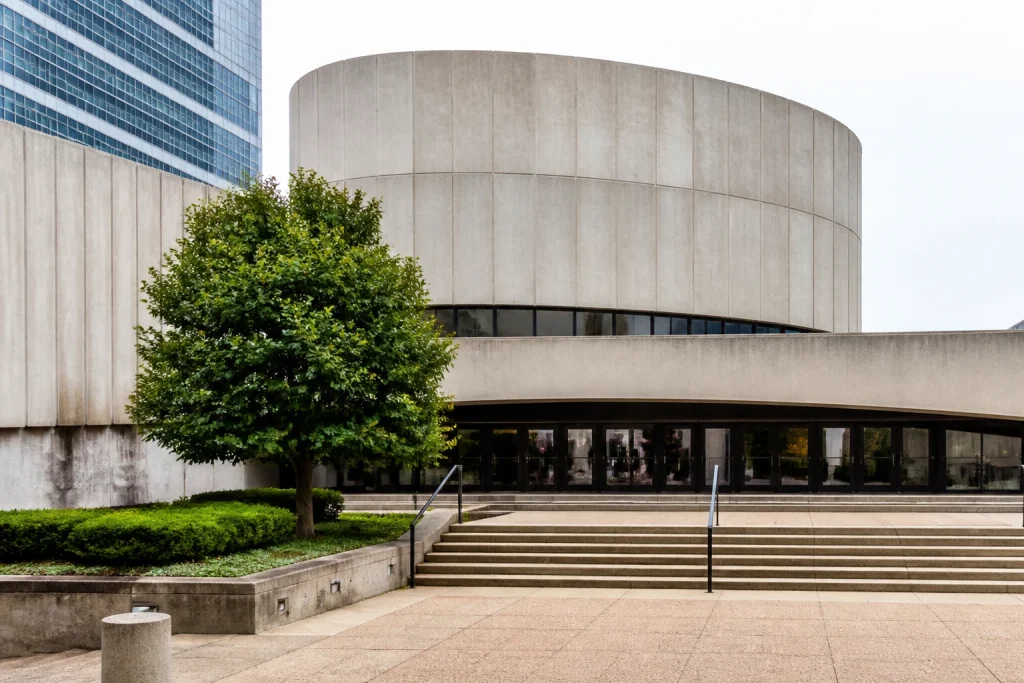
These are operational details rather than permanent promises. Check both attractions shortly before visiting, especially around holidays, special events, or severe weather. Summer travelers should prepare for heat and rain, while anyone taking an outdoor specialty tour at the Hermitage should dress for the forecast.
| Attraction | Published schedule | Reservation approach |
|---|---|---|
| Tennessee State Museum | Tuesday–Saturday, 10 a.m.–5 p.m.; Sunday, 1–5 p.m.; closed Monday | Free admission; no paid ticket needed for general museum entry. |
| Andrew Jackson’s Hermitage | Daily, 8:30 a.m.–6 p.m.; final ticket at 5 p.m. | Advance purchase is advised for a preferred 30-minute arrival block. |
Day 1 morning: Start at the Tennessee State Museum
Begin at the Tennessee State Museum, located at 1000 Rosa L. Parks Boulevard. A Tuesday through Saturday arrival near the 10 a.m. opening gives you the broadest window. Since admission is free, you can spend according to your interests rather than trying to justify a ticket price by reading every display.
Use the museum as the chronological anchor for the itinerary. Give close attention to the state-history material that helps place later stops in context. A deliberate museum morning makes the civic landscape outside and the presidential plantation site on day two easier to interpret as parts of a larger story.
Drivers can use the free lot shared by the museum and Nashville Farmers’ Market. The museum warns that this lot fills quickly on weekends. Additional free two-hour street parking is listed on 6th and 7th Avenues, but the time limit makes it less suitable for a long museum visit. A weekday arrival, drop-off, or transit plan can reduce parking frustration.
The museum sits beside the Nashville Farmers’ Market and Bicentennial Capitol Mall State Park. That compact arrangement makes it easy to pause after the galleries without relocating the car immediately. A dedicated Nashville Farmers’ Market guide can help you plan the midday portion around your interests and available time.
Build a focused museum visit instead of racing every gallery
History museums reward selective attention. Start by identifying the periods or themes that matter most to you, then slow down where the interpretation adds context to the rest of the itinerary. If you are traveling with a companion, agree on a meeting point before separating. This preserves individual reading pace without turning the morning into a search party.
Leave enough energy for the afternoon walk. The museum is the indoor, information-heavy portion of day one, while Bicentennial Capitol Mall and the Capitol area shift the experience into a civic landscape. A seated pause between the two can make the second half of the day more enjoyable, especially in summer.
Visitors with mobility needs can use accessible public entrances and elevators to the second-floor galleries. Complimentary wheelchairs and stools are available, and large-print visitor guides can be requested. Service animals are permitted. These features make the museum a practical anchor for a lower-barrier history day.
Four accessible parking spaces are approximately 210 to 220 paces from the entrance, including two van-accessible spaces. If that distance presents a problem, the museum provides a drop-off area along Rosa L. Parks Boulevard. Confirm current arrangements before traveling if a specific accommodation is essential.

Taste of Nashville Food & Sightseeing Tour
On this fun and delicious tour, sample the best of Nashville's classic cuisine and visit some amazing places along t...


Country Music Hall of Fame and Museum Admission
For over half a century the Country Music Hall of Fame and Museum has been home to a growing collection of over 2.5...
Day 1 afternoon: Continue into Nashville’s civic landscape
After the museum and a midday break, continue into Bicentennial Capitol Mall State Park. Keep the afternoon flexible rather than setting an aggressive walking target. The park is paired naturally with the museum, and a Bicentennial Capitol Mall State Park guide can help you decide what deserves attention within the time and weather conditions available.
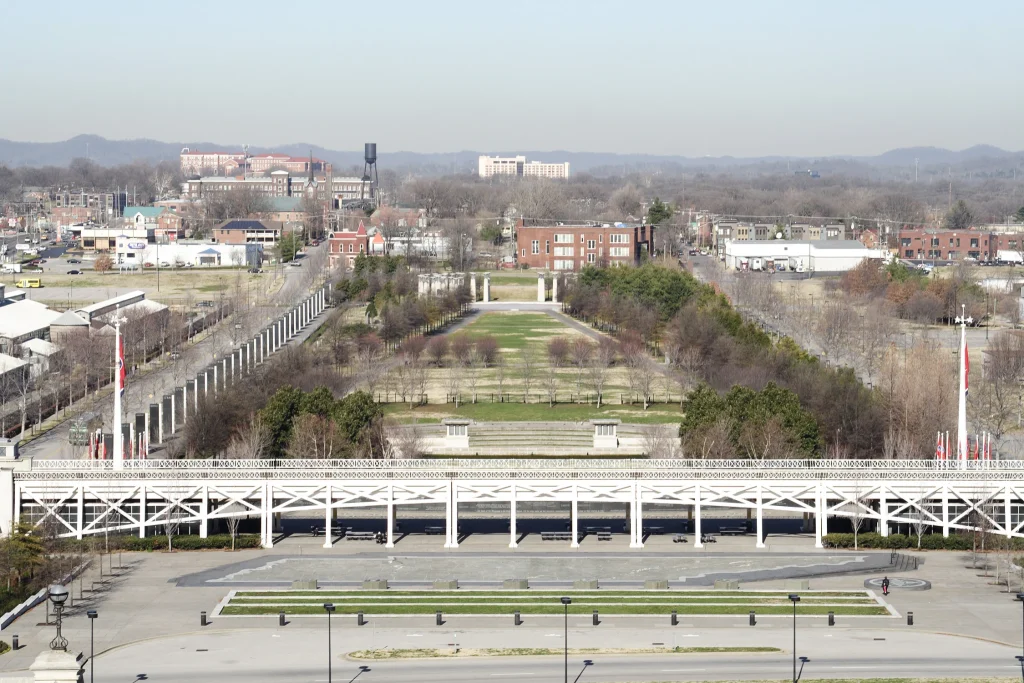
The Capitol area is a useful optional continuation for travelers interested in government and civic history. Visitors unable to use stairs can access the Tennessee State Capitol through the Motlow Tunnel. Check current entry procedures and public access before making the Capitol itself a fixed part of the schedule.
In hot or unsettled weather, shorten the outdoor portion rather than cutting the museum visit. Wear supportive shoes and carry weather protection appropriate to the forecast. If rain becomes persistent, preserve the Hermitage booking for the next day and treat this afternoon as the flexible part of the itinerary.
End day one without adding another major museum. The purpose of the two-day structure is to leave room for reflection and avoid historical overload. A relaxed evening also helps you begin the Hermitage visit on time, particularly if your arrival block is early.
Day 2: Reserve at least half a day for Andrew Jackson’s Hermitage
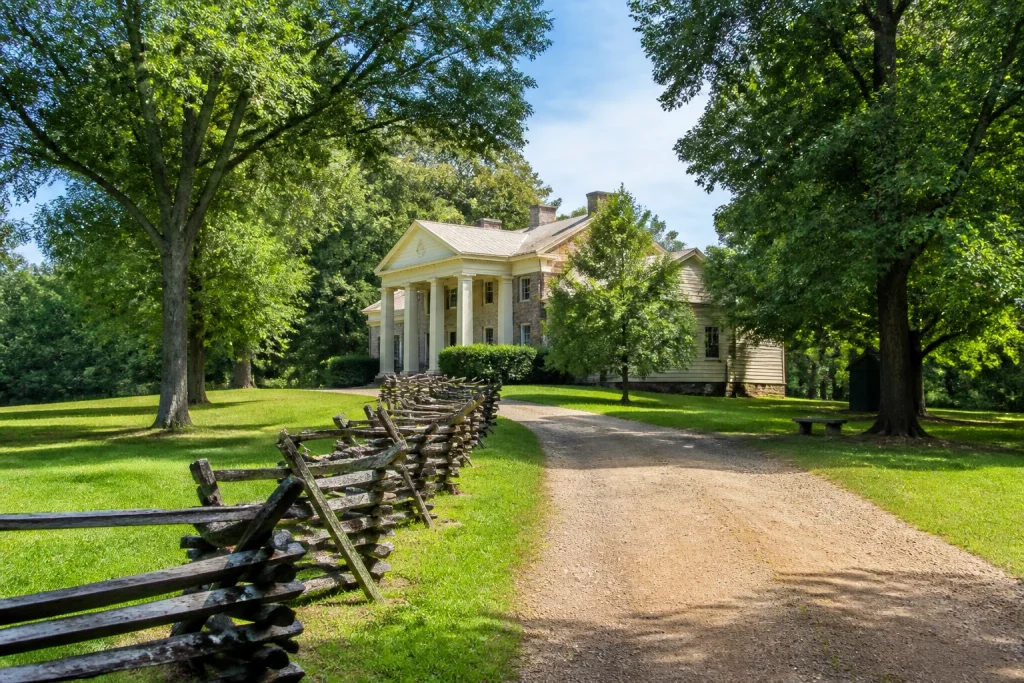
Andrew Jackson’s Hermitage should be the only major historical attraction on day two. The historic property covers 1,120 acres, and standard admission combines indoor interpretation with an outdoor visit. Treating it as a quick stop risks reducing a layered site to little more than a mansion photograph.
Book a 30-minute arrival block in advance, particularly when your schedule is firm. The ticket time is an arrival window, not a promise that the mansion tour will start at that exact minute. Mansion tours proceed according to guests’ arrival at the mansion entrance, so preserve a cushion around the rest of your day.
A practical sequence is to begin with the film and museum exhibits, continue to the guided mansion tour, and then explore the grounds, gardens, Jackson’s Tomb, and other historic buildings. Standard admission also includes interpretation of the enslaved community. The mansion tour itself is listed at approximately 25 to 30 minutes, but the complete visit requires much longer.
Let the interpretation guide your pace. A presidential home is also a place where enslaved people lived, worked, resisted, and formed communities. Giving both histories serious attention creates a fuller visit than concentrating only on architecture or political biography.
What standard Hermitage admission includes and costs
Standard admission currently includes the film, museum exhibits, a 25-to-30-minute guided mansion tour, access to the grounds and gardens, Jackson’s Tomb, historic buildings, and interpretation of the enslaved community. Because prices and ticket categories can change, use the figures below for planning and verify the final amount during checkout.
| Ticket category | Currently listed price |
|---|---|
| Adult | $29.95 |
| Senior age 62 or older | $26.95 |
| Veteran or active military | $26.95 |
| Youth ages 5–12 | $19.95 |
| Child age 4 or younger | Free |
| Family pass for two adults and two youths | $93.80 |
Budget travelers can balance the paid Hermitage day with the free Tennessee State Museum on day one. Transportation is the other significant planning variable. A car, taxi, or rideshare generally offers greater certainty for a timed Hermitage arrival, while transit is better suited to a flexible schedule.
Still comparing Nashville History Itinerary?
Ask for tour ideas, hotel suggestions, or a simple trip plan that combines both.
Trip Helper
Decide whether to add the In Their Footsteps tour
Choose the separate In Their Footsteps tour if you want a more concentrated examination of the lives, labor, resistance, and triumphs of people enslaved at the Hermitage. The specialty experience is a 60-minute outdoor walking tour covering roughly one mile and operating in all weather.
The tour is currently listed at $49.95 for non-members. Its main tradeoffs are the added cost, longer outdoor exposure, and greater walking demand. In return, it provides a more focused interpretation than the general presidential-home visit. Compare schedules and ticket inclusions before booking so the specialty tour fits comfortably into your half-day plan.
Prepare for the forecast rather than assuming the tour will move indoors. Summer heat, sudden rain, and wet paths can change the physical demands of a one-mile walk. Wear weather-appropriate shoes and clothing, and allow time for breaks elsewhere in the visit.
Accessibility planning for both history days
The Tennessee State Museum provides accessible entrances, elevators, complimentary wheelchairs and stools, large-print guides on request, and service-animal access. The nearby Capitol can be reached through the Motlow Tunnel by visitors unable to use stairs. Together, these features support a lower-barrier city-center history day.
At the Hermitage, the visitor center, theater, exhibits, store, and café are wheelchair accessible. The site describes its paths as smooth asphalt, and the garden has a ramped entrance. Free wheelchairs are available, though outdoor distance and weather still deserve consideration when choosing a route.
The first floor of the mansion is accessible. Visitors unable to climb stairs can use a photographic tour of the second floor. Motorized scooters cannot enter the mansion because of limited interior space. Printed mansion and audio-tour scripts, closed captions, Braille and large-print brochures, touch-sensitive maps, and assistance-animal access are also available.
Contact the attraction before visiting when a particular accommodation is essential or when you need help planning around walking distance. A short advance conversation can clarify the best entrance, drop-off point, or alternative format without turning the entire itinerary into a series of contingency plans.
Getting around without losing time to transportation
The first day is the better choice for public transit because the schedule can bend around arrival times. Many Nashville local services operate at intervals ranging from 20 to 60 minutes, depending on the route, day, and time. Use a live trip planner before departure rather than relying on a static timetable.
For the Hermitage, a rental car, taxi, or rideshare provides more control over a timed arrival. Transit can still suit an unhurried traveler, but build a generous margin and confirm the current route, fare, and service frequency. The guide to getting around Nashville without a car can help you compare broader transportation strategies for the rest of your stay.
Drivers should remember that the museum’s shared lot can fill quickly on weekends. Arriving near opening on a weekday is the simplest parking strategy. Downtown events can also affect road access, so check live conditions before setting out rather than committing to a rigid driving route days in advance.
If you have only one day, choose depth over distance
With only one day, choose either the state-history district or the Hermitage rather than forcing both into a rushed schedule. Select the museum, Bicentennial Capitol Mall, and Capitol area if you prefer a flexible city day. Choose the Hermitage if a presidential property and plantation-era interpretation are your central interests.
| Choose this option | Best fit | Main limitation |
|---|---|---|
| Tennessee State Museum and civic area | Travelers seeking free admission, flexible pacing, and lower-barrier options | Less time focused on one historic property. |
| Andrew Jackson’s Hermitage | Travelers prioritizing a mansion, grounds, gardens, historic buildings, and plantation-era interpretation | Paid admission, timed arrival, and more outdoor walking. |
Avoid booking an early Hermitage arrival and assuming the museum can be added later without checking the clock. Travel time, parking, the mansion queue, and outdoor exploration can quickly consume the margin. A focused day will be more rewarding than collecting two hurried checkmarks.

Nashville Hop On Hop Off Trolley Tour
Climb aboard and enjoy a live-narrated 1 hour and 50 Minute Hop-On Hop-Off Tour of Nashville with 13 stops. Tours de...
Nashville "Homes Of The Stars" Narrated Bus Tour with 30+ Celebrity Homes
See the homes of Taylor Swift, Kellie Pickler, Joe Don Rooney of Rascal Flatts, Little Big Town, Martina McBride, Re...

Nashville Redneck Comedy Bus Tour Comedy and Sightseeing
Hop on the Redneck Comedy Bus Tour for a unique and hilarious ride through Nashville. This two-hour journey features...
Add a third day for a broader view of Nashville history
A third day lets you move beyond state institutions and presidential history. Build that extension around civil rights and Black history sites in Nashville, choosing a small number of places that allow time for context. This creates a more balanced historical arc without cramming another demanding subject into the two core days.
Keep the same planning principle: group related places, protect time for interpretation, and avoid treating serious history as a race. If you add a third day, leave room between major sites for meals, transportation, and reflection.
Final planning advice for history lovers
This itinerary suits travelers who prefer context and careful interpretation over a long checklist. The Tennessee State Museum and civic area establish a broad state-history foundation, while the Hermitage concentrates the second day on a complex presidential and plantation-era site. The main limitation is the outdoor walking and transportation required on day two.
Choose a Tuesday-through-Saturday start, reserve the Hermitage in advance, and check current conditions before leaving. With those details settled, the two-day structure leaves enough space to read, walk, question, and connect the stories without turning Nashville’s history into a sprint.
Frequently asked questions
How many days do history lovers need in Nashville?
Two days provide a practical foundation. Use one day for the Tennessee State Museum, Bicentennial Capitol Mall, and the Capitol area, then reserve at least half of the second day for Andrew Jackson’s Hermitage.
What is the best day to start this Nashville history itinerary?
Tuesday through Saturday is the best fit because the Tennessee State Museum currently opens at 10 a.m. and remains open until 5 p.m. It is closed Monday and operates only from 1 to 5 p.m. on Sunday.
Is the Tennessee State Museum free?
Yes, general admission to the Tennessee State Museum is free. Its shared lot with the Nashville Farmers’ Market is also free, but it can fill quickly on weekends.
Should I buy Hermitage tickets in advance?
Yes, advance purchase is recommended when you want a preferred arrival period. Tickets use 30-minute arrival blocks, but that time does not guarantee an exact mansion-tour start.
How much does Andrew Jackson’s Hermitage cost?
Standard adult admission is currently listed at $29.95, with lower listed rates for seniors, military visitors, and children ages 5 to 12. Children age 4 and younger are free, and prices should be verified during checkout.
Can I follow this Nashville history itinerary without a car?
The city-center day is the easier part to complete without a car. For the Hermitage, a rental car, taxi, or rideshare offers more certainty around the timed arrival block, while transit requires a flexible schedule and a current trip-plan check.
Is this itinerary accessible for wheelchair users?
Both primary attractions provide substantial accessibility support. The Tennessee State Museum has accessible entrances and elevators, while the Hermitage offers accessible visitor facilities, smooth asphalt paths, first-floor mansion access, and a photographic second-floor alternative.
Is the In Their Footsteps tour worth adding?
It is a strong choice for visitors seeking deeper interpretation of the people enslaved at the Hermitage. The tour lasts 60 minutes, covers roughly one outdoor mile in all weather, and costs more than general admission.
Jack Daniel's Tour, Tasting, & Lynchburg Visit with Bonus Tasting
Join Mint Julep Experiences for an unforgettable journey to Lynchburg, where the legacy of Jack Daniel's Tennessee whiskey comes to life. Enjoy time i...
Nashville's Goo Goo Chocolate Tasting & Candy Making Class
With a local instructor as your host, you’ll learn all about America’s first combination candy bar and it’s si...