Civil Rights and Black History Sites in Nashville
Trace Nashville’s civil rights landmarks and Black history sites, from sit-in counters to Jefferson Street, and discover the stories that changed the city forever.
Nashville history is easier to enjoy when the stops are grouped well.
Museums, estates, music-history sites and civil-rights stops can be powerful, but they work best with realistic routing.
At the old Woolworth’s lunch counter site on Fifth Avenue, you can picture students sitting straight-backed while dishes clattered and insults flew. From there, Nashville opens into church basements where workshops shaped nonviolent strategy, Fisk’s hilltop campus, and Jefferson Street clubs where the music still seems to hum in the bricks. If you want a city story with courage, rhythm, and a few surprising turns, start here.
Key Takeaways
- Visit Nashville Public Library’s Civil Rights Room for primary sources, arrest photos, the Ten Rules of Conduct, and a symbolic lunch counter.
- Explore downtown sit-in landmarks near Church Street, Sixth Avenue North, and the Woolworth site, where students challenged segregated lunch counters in 1960.
- See Clark Memorial United Methodist and First Baptist Capitol Hill, where James Lawson and clergy trained students in disciplined nonviolent protest.
- Tour Fisk University, Jubilee Hall, and American Baptist College’s Griggs Hall, important campuses for Black education, organizing, and leadership development.
- Add the National Museum of African American Music and Jefferson Street Sound Museum to connect Nashville’s civil rights history with Black musical heritage.

Nashville's Historic Electric Bike Tour
Nashville's Award-Winning Historic Tour for a reason! See the best from the ground up with an immersive electric bike sightseeing tour from Wander Nas...
Where Nashville’s Sit-Ins Began
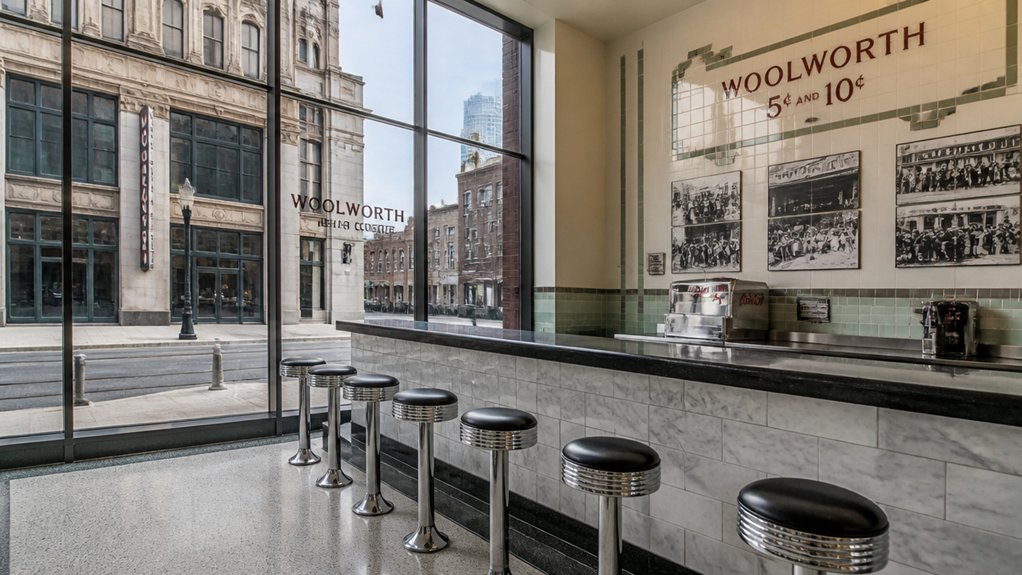
If you want to understand where Nashville’s civil rights movement found its public voice, start downtown at the lunch counters along Church Street and near Seventh Avenue North. In February 1960, students launched sit-ins here and challenged segregation face to face. You can picture John Lewis and others taking seats, staying calm, and following nonviolent rules even as arrests and taunts mounted. Woolworth’s became one key stage, but the district carried the tension of footsteps, clinking dishes, and watchful crowds. Their persistence helped win partial desegregation in Nashville and inspired campaigns across the South. Today, step into the Nashville Public Library’s Civil Rights Room. It overlooks the protest crossroads and displays a symbolic lunch counter, photographs, and documents that make the sit-ins feel close. For broader context on the city’s cultural legacy, the National Museum of African American Music offers another lens on Black history in Nashville.
Churches That Trained Nashville Activists
When you step into places like Clark Memorial United Methodist Church and First Baptist Church, Capitol Hill, you can almost hear the chairs scrape and the low voices as ministers, students, and organizers practiced nonviolent protest. You see how these churches worked as training grounds, where James Lawson led workshops and role-playing sessions that prepared young leaders like John Lewis and Diane Nash for the city’s sit-ins. You also notice something bigger here: these sanctuaries weren’t just meeting rooms, they were movement hubs where gospel, fundraising, and steady moral courage helped people keep going through arrests and violence. For broader historical context, Fort Negley Park in South Nashville offers exhibits and self-guided paths that explore the social, political, and military forces that shaped Nashville and Middle Tennessee.
Nonviolence Training Grounds
Before Nashville’s sit-ins changed downtown lunch counters, much of the hard work happened inside church rooms that felt plain, busy, and intensely focused. At Clark Memorial United Methodist and First Baptist Church Capitol Hill, you can picture folding chairs, scratchy floors, and voices repeating the rules. James Lawson led role-playing drills for the nonviolent challenge to racial segregation, teaching students how to face taunts, blows, and arrest without striking back. Those lessons shaped the lunch counter sit-ins, and leaders like Diane Nash carried them into public view. In these churches, you don’t just find sanctuaries. You find training grounds, moral cover, phone trees, and a disciplined courage that could make a wooden basement feel like a launchpad for history in motion each week night. Elsewhere in Nashville, the Belle Meade Historic Site offers another lens on the city’s layered past.
Ministers And Student Organizing
The same churches that drilled students in nonviolence also tied the whole movement together, with ministers and young activists working side by side under fluorescent lights and in warm, echoing fellowship halls. At Clark Memorial United Methodist Church, you can picture student leaders like Diane Nash listening as James Lawson led nonviolent training and reviewed the Ten Rules of Conduct. In church meeting halls, folding chairs scraped, pencils tapped, and plans for lunch counter sit-ins sharpened. At First Baptist Church Capitol Hill, clergy backed students and mapped registration work with resolve. You see how ministers didn’t stand apart. They coached, corrected, raised funds, and steadied nerves when downtown turned hostile. That’s where Nashville’s discipline got real, and courage learned to carry a Bible there. Not far away, the Tennessee State Capitol at 600 Dr. M.L.K. Jr Blvd welcomes visitors for self-guided tours Monday through Friday from 9 AM to 4 PM Central Time.
Places to stay for this itinerary
Pair the day-by-day plan with a hotel location that keeps the trip simple.
 Featured stay
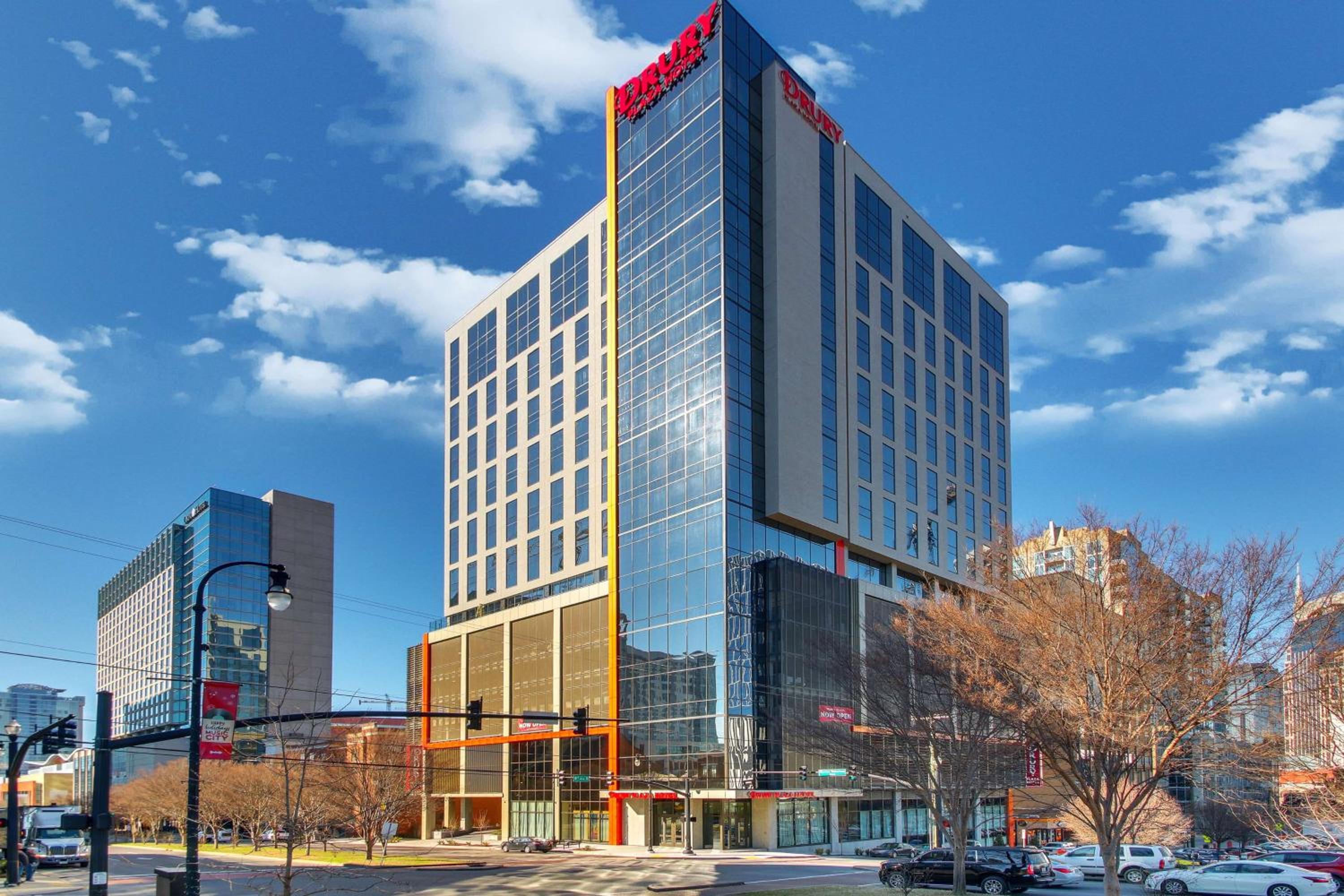
 Drury Plaza Hotel Nashville Downtown
- Free WiFi
- Non-smoking rooms
- Air conditioning
Central Location in Nashville Located in the heart of Nashville, Drury Plaza Hotel Nashville Downtown offers air-conditioned rooms with modern amenities and a range of facilities for a comfortable stay. Convenient Amenities Guests can enjoy a…
- Room, 1 King Bed, Hearing Accessible (Hearing…
- Breakfast Included
- Non-refundable rate
 Guest favorite
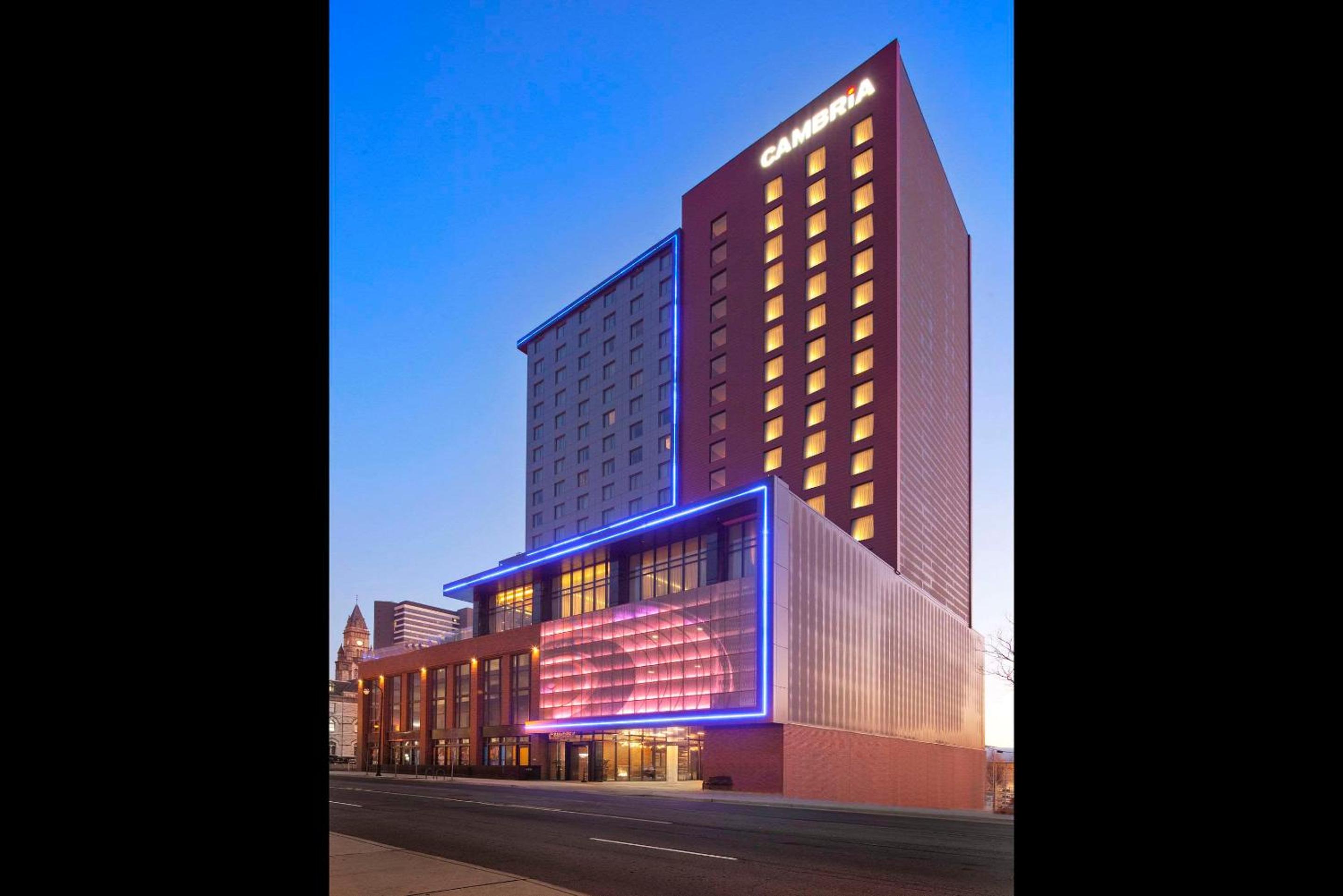
 Cambria Hotel Nashville Downtown
- Free WiFi
- Non-smoking rooms
- Air conditioning
Central Location Located in the heart of Nashville, Cambria Hotel Nashville Downtown offers a convenient stay near popular attractions like Bridgestone Arena, Ryman Auditorium, and the Johnny Cash Museum. Modern Amenities Enjoy air-conditioned rooms, an outdoor…
- 2 Queen Beds - Accessible Room
- Room Only
- Non-refundable rate
 Guest favorite
 La Quinta Inn & Suites by Wyndham Nashville Downtown Stadium
- Free WiFi
- Non-smoking rooms
- Air conditioning
Central Location in Nashville Located in the heart of Nashville, La Quinta Inn & Suites by Wyndham Nashville Downtown Stadium provides a convenient base for exploring the city. Situated near top attractions like Nissan Stadium and…
- 1 King Bed, Mobility Accessible Room, Tub…
- Breakfast Included
- Non-refundable rate
Churches As Movement Hubs
Step inside these sanctuaries and you can see how Nashville’s movement ran on church time. In Nashville, churches did far more than hold Sunday services. At Clark Memorial United Methodist, organizers mapped marches, sit-ins, and strategy sessions that shaped the early 1960s. At First Baptist Church, Capitol Hill, you can picture local leaders filling pews, swapping notes, and setting voter registration plans. Nonviolent training gave students a disciplined edge, and church basements turned into classrooms for courage. That faith-backed structure helped John Lewis, Diane Nash, and James Lawson organize lunch counter protests with remarkable focus. You can almost hear gospel choirs warming up nearby as volunteers raised funds, offered rides, and fed the work. These churches made activism feel practical, brave, and strangely ordinary. For visitors wanting broader cultural context, NMAAM’s Rivers of Rhythm corridor connects African American music evolution with American history through an interactive timeline.
Downtown Nashville Civil Rights Museums

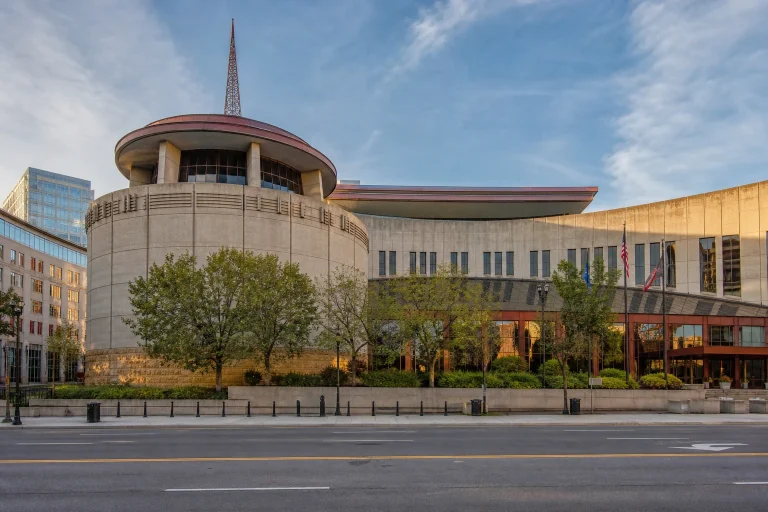
Downtown, you can start at the Nashville Public Library’s Civil Rights Room, where you’ll look out over the 1960 sit-in crossroads and stand near a symbolic lunch counter that makes the stakes feel real fast. Then head to the National Museum of African American Music on Fifth Avenue, where interactive galleries and the Rivers of Rhythm Pathway let you hear how Black artists shaped more than 50 genres. Together, these two stops give you a sharp, vivid way to see how Nashville’s freedom struggle and its soundtrack still echo through the city. In a city where Black residents make up 24.9% of the population, these downtown stops also connect present-day Nashville to the communities that continue to shape its culture and history.
Civil Rights Room
Climb to the second floor of the Nashville Public Library’s Main Library and you’ll find the Civil Rights Room at the north end, looking out over Church Street and Seventh Avenue North, the very corner where students staged the 1960 lunch counter protests. Inside, you can explore the Civil Rights Collection and trace Nashville’s student-led nonviolent sit-ins through photographs, timelines, and firsthand records. Sit at the symbolic lunch counter, read the Ten Rules of Conduct, and picture the discipline it took to hold steady. Black-and-white images show arrests, bombings, and tense faces. A video room and nearby classroom invite deeper study without feeling stuffy. The Civil Rights Room stays open during regular Nashville Public Library hours, and you can even subscribe for collection updates. For broader context, Tennessee’s Andrew Johnson National Historic Site explores how voting rights and citizenship were contested and reshaped during Reconstruction.
African American Music Museum
A few blocks from the Civil Rights Room, the National Museum of African American Music gives that history a soundtrack. Open since January 2021 on Fifth Avenue, the National Museum of African American Music lets you move through more than 50 genres while tracing Black musical heritage across centuries. The NMAAM Rivers of Rhythm pathway links African roots to gospel, blues, jazz, R&B, country, and hip-hop through touch screens, costumes, instruments, and crackling old recordings. You can feel Nashville music history under your feet here, then connect the story to Fisk University and Jefferson Street on the same day. Plan a midday visit downtown, give yourself time to play with the interactive exhibits, and leave humming. It makes your playlist smarter too. If you are mapping out a full day downtown, Trip Planner can help you time your ride between museums and historic neighborhoods.
Nashville's Historic Electric Bike Tour
Nashville's Award-Winning Historic Tour for a reason! See the best from the ground up with an immersive electric bik...
Fisk University and Other HBCU Landmarks
Brick-lined paths and old-school campus buildings lead you into one of Nashville’s most important civil rights landscapes at Fisk University, founded in 1866. Here, you walk through a cornerstone of African American education and one of the city’s defining Historically Black Colleges. Step inside Jubilee Hall, where the Jubilee Singers, later known worldwide as the Fisk Jubilee Singers, launched tours in 1871 to save the school and share spirituals abroad. In the library, the Aaron Douglas Gallery adds bold color and Harlem Renaissance energy. Then look beyond Fisk University to Griggs Hall at American Baptist College, where students and organizers planned action in the 1950s and 1960s. These campuses don’t just preserve history. They let you feel how learning, art, and courage worked together. As part of the broader Vanderbilt University Area Guide, these landmarks also connect Black history to the surrounding neighborhoods that shape Nashville’s cultural landscape.
Jefferson Street Music History Stops
Head over to Jefferson Street and you step into the beat of Nashville’s Black music history. From the 1930s through the 1960s, Jefferson Street thrived as a Black music corridor packed with historic venues on the Chitlin’ Circuit. You can picture neon signs, late plates of food, and dance floors humming with jazz and blues as Jimi Hendrix, Little Richard, and Etta James rolled through.
Make time for the Jefferson Street Sound Museum, where vintage photos, instruments, recordings, and memorabilia bring the neighborhood’s sound back to life. As one of Nashville’s hidden gems, this stretch rewards travelers looking beyond the usual downtown stops. Then follow tours or festival stops that trace old club sites and celebrate the street’s living legacy. You don’t just learn names here. You feel how music powered nightlife, shaped careers, and tied Jefferson Street to Nashville’s wider Black community and spirit.
Civil Rights Theaters and Protest Landmarks

When you reach downtown Nashville, the story shifts from stage lights to courage at the corner of Church Street and Sixth Avenue North. Here, you can trace the 1960 lunch counter sit-ins tied to Woolworth Theatre, where students challenged segregation with discipline and nerve. Step into the Nashville Public Library Civil Rights Room and look down on the same intersection. You’ll see a symbolic counter, the Ten Rules of Conduct, and photos of arrests, bombings, and taunts. Digital Tennessee’s Online Exhibits and related collections from the Tennessee State Library & Archives offer added context for exploring civil rights history across the state. Then head toward Clark Memorial and First Baptist, Capitol Hill, where plans took shape and nonviolent training got real. At Griggs Hall, John Lewis and other students studied strategy, regrouped after jail, and kept moving. The sidewalks still feel charged, like history’s clearing its throat right beside you today there.
Nashville Black History and Civil Rights Tours
Often, the best way to understand Nashville’s Black history is to follow it on foot, where one corner leads to the next chapter. In Nashville, walks and self-guided routes connect churches, schools, and downtown streets where Civil Rights strategy turned into action.
You can trace the February 1960 sit‑ins from Fisk University to the Woolworth Theatre and hear how students like John Lewis and Diane Nash trained for nonviolent protest. Stop at Clark Memorial United Methodist Church, then step into the Civil Rights Room at the Nashville Public Library. On the second floor, you’ll find a symbolic lunch counter, primary sources, and the protesters’ “Ten Rules of Conduct.” The free U.S. Civil Rights Trail pamphlet helps you spot 30 sites with photos and clear captions. To broaden the story, pair these stops with a visit to the Country Music Hall of Fame, where exhibits help place Black artists and civil rights-era Nashville in the city’s wider cultural history.
Still comparing Nashville Civil Rights And Black History Sites?
Ask for tour ideas, hotel suggestions, or a simple trip plan that combines both.
Trip Helper
How to Plan Your Nashville Itinerary
A good Nashville civil rights itinerary works best with a little structure, because the sites spread across downtown and North Nashville and each one adds a different piece of the story. Download the free Tennessee Civil Rights Trail pamphlet first, then map your route before you go.
Start at Fisk University and Jubilee Hall in the morning. Head to the National Museum of African American Music around midday. Later, walk Jefferson Street and stop at the Jefferson Street Sound Museum. Save time for the Nashville Public Library Civil Rights Room, where you can study the symbolic lunch counter, read the Ten Rules of Conduct, and look over the protest intersection below. If you add the Tennessee State Museum to your route, remember that it offers free admission and is closed on Mondays. Check hours before you set out. If you’d rather skip the guesswork, book a guided Nashville tour with flexible stops and helpful context.
Frequently Asked Questions
Are These Sites Wheelchair Accessible?
Yes—many are, but you’ll want to confirm details first: Wheelchair routes, Accessible tours, Entrance ramps, Service animals, Seating options, and Parking availability vary by site, especially at historic campuses and smaller museums, so call ahead.
Can I Take Photos Inside Museums and Churches?
Yes—can you usually take photos? You can, but you’ll need to follow flash photography limits, privacy policies, exhibit restrictions, ticketed photography rules, tripod rules, and permission signage; churches and special exhibits often require advance approval.
Which Sites Are Best for Visiting With Children?
Take kids to the library, music museums, Fisk, and walks: you’ll find Interactive exhibits, Hands on activities, Storytelling tours, Child friendly programming, Outdoor play areas nearby, and a Family scavenger vibe that keeps them engaged.
What’s the Best Time of Year for a Self-Guided Visit?
You’ll find spring mornings and fall afternoons work best; that theory holds because mild weather and crowds improve self-guided pacing. Choose mild weekdays, consider summer evenings or winter weekends, and avoid holiday weekends you can.
Are There Nearby Black-Owned Restaurants to Include on the Trip?
Yes—you’ll find Black owned eateries and Soul food spots nearby; add Neighborhood tours, Local chef interviews, and even Late night dining options. You can also mix in Farm to table restaurants for a flavorful experience.
Conclusion
You’ll leave Nashville with more than a checklist. You’ll hear echoes in church halls, see lunch counters turned into landmarks, and feel Jefferson Street hum beneath your shoes. Give yourself a full day downtown, then add Fisk and a music stop if you can. Wear good walking shoes and keep your phone charged. This city unfolds like a well-loved song, verse by verse, with history waiting around the next corner if you listen for clues.
Nashville's Historic Electric Bike Tour
Nashville's Award-Winning Historic Tour for a reason! See the best from the ground up with an immersive electric bike sightseeing tour from Wander Nas...