
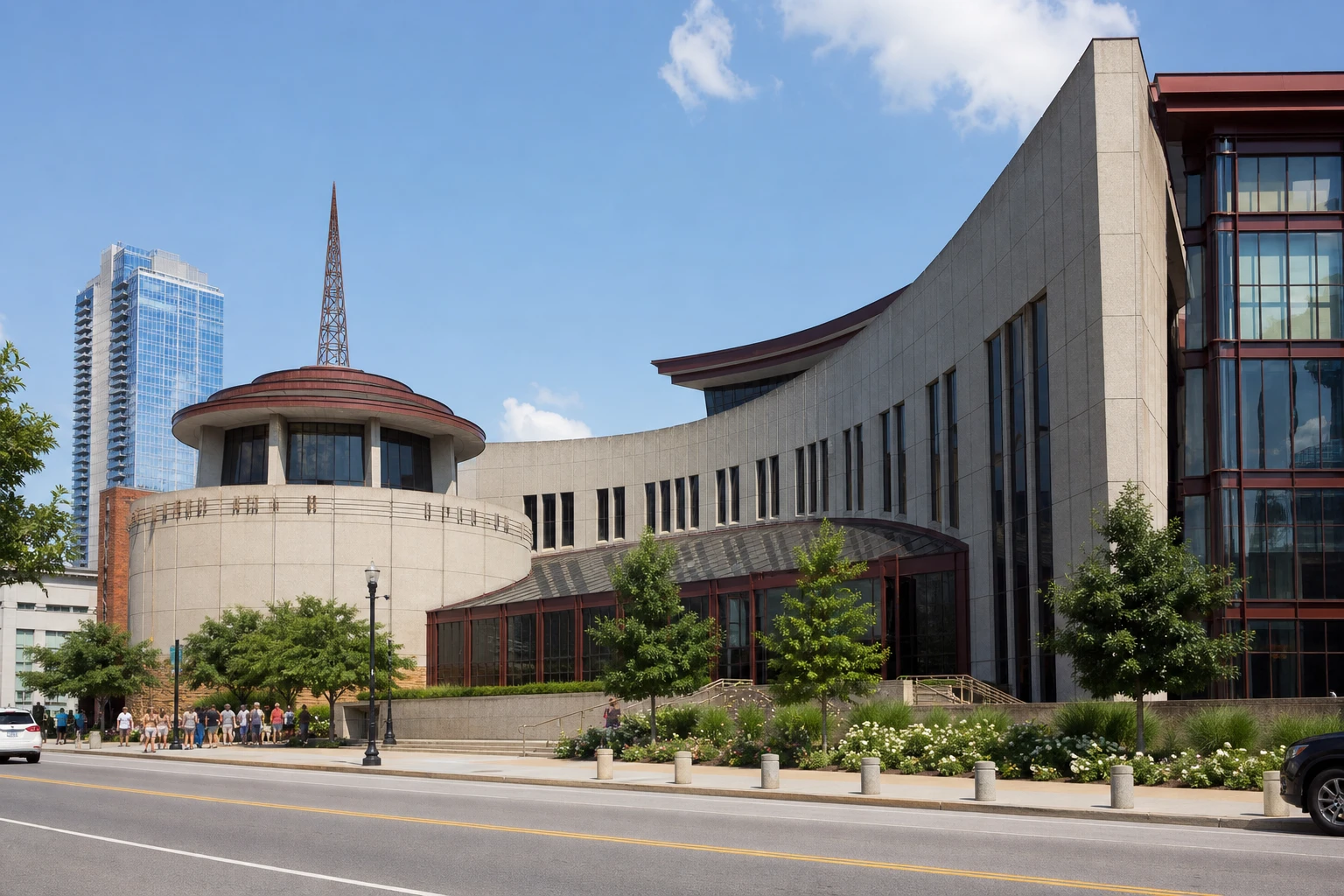
Nashville Country Music History Tour Guide
Plan a meaningful Nashville country music history tour with the Country Music Hall of Fame, Historic RCA Studio B, the Ryman, and the Grand Ole Opry.
Nashville history is easier to enjoy when the stops are grouped well.
Museums, estates, music-history sites and civil-rights stops can be powerful, but they work best with realistic routing.
A Nashville country music history tour works best as a story told in three chapters: the genre’s wide-reaching history at the Country Music Hall of Fame and Museum, the recording legacy of Historic RCA Studio B, and the live-performance tradition linking the Ryman Auditorium with the Grand Ole Opry. Each stop answers a different question about how Nashville became Music City.
This is not a single all-day guided route. It is a flexible plan built around museum admission, a timed Studio B experience, and a choice between the Ryman’s historic stage legacy or an Opry evening farther from downtown. Book the fixed-time element first, then fit the rest of the day around it.

Before-Open Guided Tour & Admission to Country Music Hall of Fame
Elevate your museum visit with a 1-hour Guided Tour of the Country Music Hall of Fame and Museum. This docent-let experience begins at 8:30am, beginni...

Hatch Show Print Tour & Country Music Hall of Fame Combo
The Country Music Hall of Fame® and Museum is the home for this popular American art form, safeguarding over 2.5 mi...

Discover Nashville City Tour with Entry to Ryman & Country Music Hall of Fame
Discover Nashville is an all-inclusive tour of the best that Nashville has to offer. Enjoy a driving tour of the la...

Nashville RCA Studio B & Country Music Hall of Fame Ticket Combo
RCA STUDIO B Walk in the footsteps of legends with a tour of the Historic RCA Studio B. Hear inside details from fam...
- Start with the Country Music Hall of Fame and Museum for the broadest historical context.
- Add Historic RCA Studio B if the Nashville Sound and recording history matter most to you.
- Treat the Ryman and the Grand Ole Opry as related but separate chapters of the live-music story.
- Reserve Studio B in advance and arrive at least 15 minutes before the timed tour.
- Plan the Opry as a separate outing, since the Opry House is about 10 miles from downtown.
A focused day can be deeply rewarding without trying to see every music attraction in town. Give the museum and Studio B the time they require, then choose the Ryman for a downtown history stop or the Opry for a live-country-music ritual. That simple choice keeps the route coherent and avoids spending the day rushing between landmarks.
Plan the three essential chapters of country music history
The Country Music Hall of Fame and Museum is the foundation of this itinerary. It provides the broad history that connects performers, recordings, industry changes, and the genre’s evolving place in American culture. Begin here if this is your first serious look at Nashville’s country music heritage, especially if you want context before visiting a working-era recording studio or performance venue.
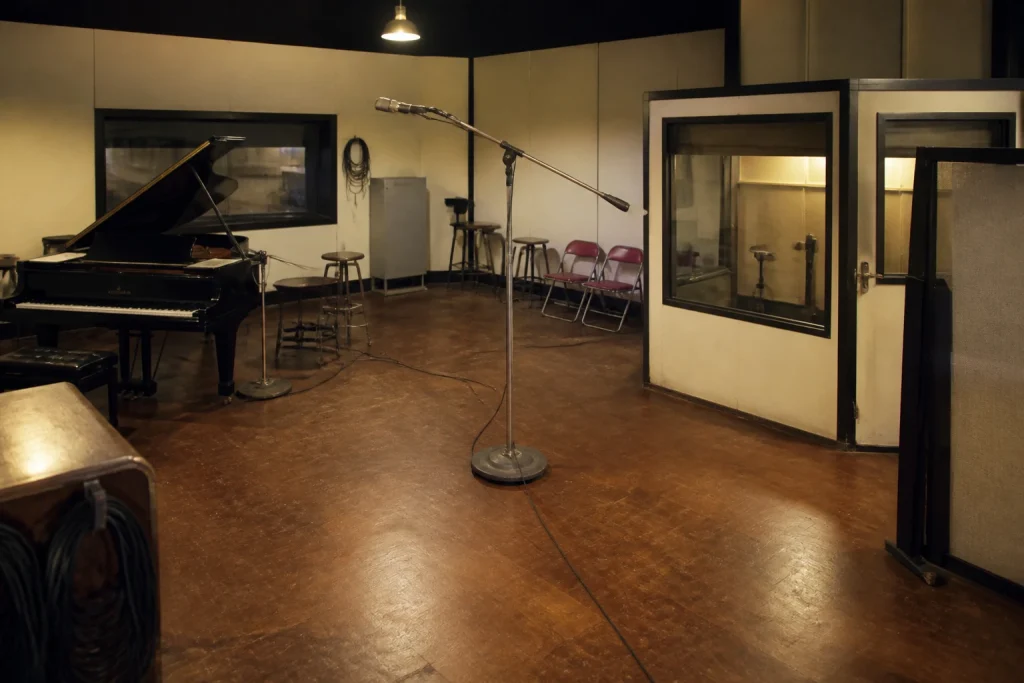
Country Music Hall of Fame and Museum: begin with the bigger story
Museum-only admission is the strongest choice for travelers who want a substantial historical overview while keeping the day simple. It also makes sense for a tighter budget or for visitors who would rather save their evening for the Grand Ole Opry. For exhibit-focused planning, the Country Music Hall of Fame Guide is a useful companion to this history-first route.
Historic RCA Studio B: hear the recording-industry chapter
Historic RCA Studio B adds the recording-studio chapter to the tour. The site is closely tied to the Nashville Sound and remains an important place in Elvis Presley’s recording history. That makes it a strong addition for visitors who care less about a general museum visit and more about the craft, business, and musical shifts that happened inside Nashville recording studios.
Studio B is not set up as a casual standalone stop. The museum’s published arrangement pairs the tour with museum admission, starts it at the Country Music Hall of Fame and Museum, and includes transportation to the studio. Published departures run daily between 10:00 a.m. and 3:00 p.m., so book the timed tour before locking in nearby plans.
Ryman Auditorium and Grand Ole Opry: follow the performance legacy
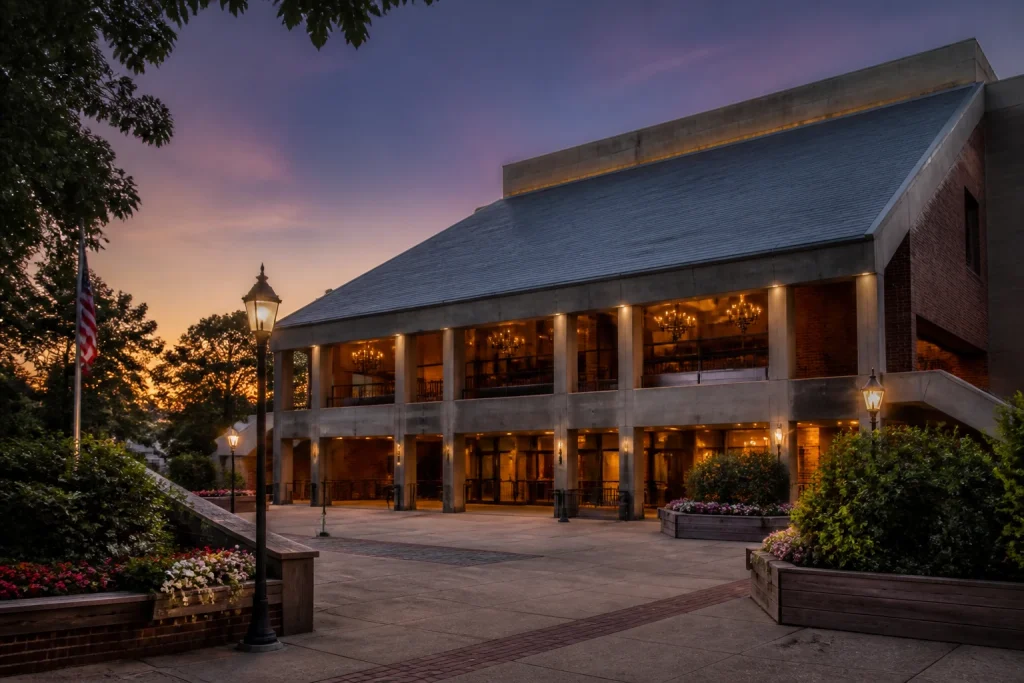
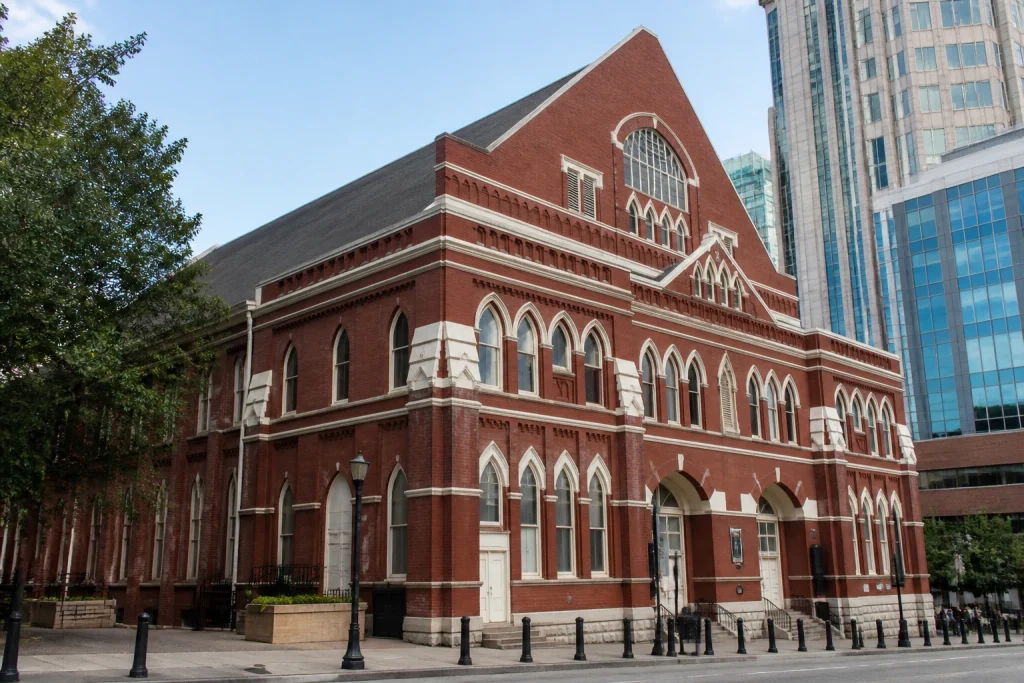
The Ryman Auditorium and Grand Ole Opry tell the live-broadcast and performance side of the story. The Ryman is known as the Mother Church of Country Music and formerly housed the Opry. The Grand Ole Opry moved to the Opry House in 1974, creating a useful historical pairing: one landmark carries the earlier legacy, while the other continues the Opry tradition.
| Stop | Historical lens | Best reason to include it |
|---|---|---|
| Country Music Hall of Fame and Museum | Broad genre history | You want the clearest overview before choosing more specialized stops. |
| Historic RCA Studio B | Nashville Sound and recording history | You want a timed, museum-linked recording-studio experience. |
| Ryman Auditorium | Historic Opry home and performance legacy | You want a downtown stop connected to country music’s live-broadcast past. |
| Grand Ole Opry House | Continuing Opry performance tradition | You want an evening show or a backstage tour beyond downtown. |

Country Music Hall of Fame, RCA Studio B, Hatch Show Combo Ticket
See three of Nashville's Top Attractions with this exclusive combo ticket, including admission to the Country Music...

Music Row Walking Tour
*Discover the heart and soul of Nashville’s music industry.** > > Skip the tourist-heavy crowds of Lower Broadway...

Nashville Unveiled History Highlights and Hacks Walking Tour
Experience the vibrant energy of Music City like never before with a walking tour of downtown Nashville. Get your st...
Build a one-day Nashville country music history itinerary
The practical order is museum first, Studio B as the fixed-time centerpiece, then a performance-history choice later in the day. The Hall of Fame advises avoiding its busiest late-morning and early-afternoon stretch, broadly 10:00 a.m. to 2:00 p.m. An opening-time visit or a visit after 2:00 p.m. is usually the smarter starting point, though you should check the exact day’s schedule when booking.
- Reserve Country Music Hall of Fame and Museum admission for an early or later window, depending on your Studio B departure.
- Attach the Historic RCA Studio B tour to the museum booking and plan to arrive at least 15 minutes before its scheduled start.
- Use the downtown portion of the day for a separately scheduled Ryman visit if its current tour times fit your plan.
- Choose a Grand Ole Opry show or backstage tour for the evening if live performance is your priority, allowing travel time from downtown.
Do not squeeze another fixed-time attraction directly before Studio B. Late entry is not guaranteed, rescheduling depends on availability, and missed timed tours are not refunded. The simplest strategy is to keep the period before departure deliberately open, arrive early at the museum, and make lunch or other downtown plans after the shuttle returns.
A Ryman stop and an Opry outing are alternatives, not mandatory back-to-back appointments. The Ryman fits naturally with a downtown day. The Opry House, near Opry Mills and Gaylord Opryland Resort, is roughly 10 miles from downtown, so an evening there needs its own transportation plan and should not be treated as a quick walk after museum closing.
Handle transportation, parking, and accessibility before you go
The first two stops are easy to pair because the museum handles transportation for the Studio B tour. The Opry is the logistical outlier. A car, rideshare, or carefully planned transit connection is practical for an Opry show because of the distance from downtown. For broader transport planning, How to Get Around Nashville Without a Car is especially useful before committing to an evening ticket.
For drivers visiting the Hall of Fame, the museum has listed validation at the Walk of Fame Parking Garage and SoBro Tower Garage. Its published rates have been $15 for up to three hours and $25 for up to six hours, with validation collected at the museum. Parking availability, rates, and validation procedures can change, so recheck them with your ticket plans.
Accessibility considerations for the museum, Studio B, and Opry
The Country Music Hall of Fame and Museum reports accessible entrances, elevators to museum and CMA Theater levels, accessible restrooms, and a limited number of complimentary manual wheelchairs on a first-come basis. Studio B tours are described as accessible, but its shuttle cannot take motorized wheelchairs or scooters because of lift weight limits. Arrange seating support in advance if needed.
At the Opry, published accessibility features include accessible-ticket selection, wheelchair lifts for second-level seating areas, accessible restrooms, assistive-listening devices, and service-animal access. Wheelchair loans are first-come, and qualified interpretation requires three weeks’ notice. Segway personal transportation devices cannot be accommodated, so check the current accessibility instructions before purchasing tickets.
Have a question about this guide?
Ask for tour ideas, hotel suggestions, or a simple trip plan that combines both.
Trip Helper
Compare ticket choices and decide where to spend
The museum’s booking page lists several ways to shape the day. The figures below are published book-before-you-go prices rather than guaranteed future rates, so use them as a planning guide and confirm the live price when reserving. The main decision is simple: choose museum admission for context, add Studio B for recording history, and add Hatch Show Print only if that extra creative stop genuinely interests you.
| Published museum option | Listed price | Planning takeaway |
|---|---|---|
| Self-guided museum admission, adult ages 13 and up | $31.95 | The base choice for broad historical context. |
| Self-guided museum admission, youth ages 6 to 12 | $21.95 | The published youth admission price. |
| Audio tour add-on | $5 | An optional addition to museum admission. |
| Historic RCA Studio B add-on | $23 | Add it when a recording-studio visit is a priority. |
| Hatch Show Print add-on | $23 | A further add-on for travelers who want the printed-design component. |
| Museum plus Studio B, adult | $54.95 | A bundled route for museum and studio history. |
| Museum plus Studio B plus Hatch, adult | $82.95 | The fuller museum package listed on the booking page. |
The Hatch-inclusive package is a good fit only when you want to extend the museum day beyond the core history route. Travelers who are curious about that option can use the Hatch Show Print Nashville Guide to decide whether it deserves the added time and cost. If your real goal is hearing country music performed, direct that money and time toward an Opry evening instead.
Choose the route that matches your interest in country music
The best Nashville country music history tour is not automatically the longest one. Choose the combination that answers the question you came with, then leave room to appreciate each chapter rather than treating the city’s music landmarks as a checklist.
- Choose museum admission alone if you want the broadest history at the lowest published starting price.
- Choose the museum and Studio B if recording history and the Nashville Sound are central to your visit.
- Choose a Ryman stop if you want to keep the history route in the downtown core.
- Choose the Grand Ole Opry if a live show or backstage experience matters more than adding another museum-style stop.
- Choose the full museum, Studio B, and Hatch package only if you want a more layered daytime itinerary and have room in the budget.
Visitors with limited time should resist the urge to force both the Ryman and the Opry into one packed day. The Ryman complements the museum’s downtown setting and historical thread. The Opry offers a different experience, with shows typically featuring 6 to 8 artists and backstage tours available for visitors who want venue access without attending a performance.
Make Nashville’s country music story feel connected
For most first-time visitors, the strongest plan is the Country Music Hall of Fame and Museum plus Historic RCA Studio B, with either the Ryman or an Opry outing chosen according to your interest and schedule. This route connects the genre’s history, its recording-industry turning points, and its enduring performance tradition without turning the day into a race across town.
Book Studio B early, protect the timed departure, and keep the Opry as a distinct evening commitment if you choose it. That rhythm gives each landmark its proper role: the museum supplies the context, Studio B brings the recording story into focus, and the Ryman or Opry completes the performance chapter.

Nashville Unveiled: The History, Music, and Hacks Tour!
"Nashville Unveiled: History, Highlights, and Hack's Tour" is a trip through Music City's heart and soul. This tour stands out with a perfect blend of...

Nashville Music City Smart Phone Self-Guided Audio/App Walking Tour
Nashville is a city of rich history where a lot of country music’s biggest stars got their start. You'll discover...

Nashville Whiskey Country Pub Crawl and Distillery Tour
Ready to walk, sip, and two-step through the heart of Music City? Join us on a guided tour that blends Tennessee Whi...

Self-Guided Podcast Tour: Nashville's Country Empire
Step into the mid-20th-century engine of Lower Broadway where radio waves, letterpress posters, back-alley bars, and...
Frequently asked questions
What are the essential stops on a Nashville country music history tour?
The essential route pairs the Country Music Hall of Fame and Museum with Historic RCA Studio B, then adds either the Ryman Auditorium or the Grand Ole Opry. Together, they cover the genre’s broad history, the Nashville Sound recording legacy, and country music’s live-performance tradition.
Can I visit Historic RCA Studio B without museum admission?
No. The museum’s published setup makes the Studio B tour available only with Country Music Hall of Fame and Museum admission, and transportation departs from the museum.
When is the best time to visit the Country Music Hall of Fame?
An opening-time visit or a visit after 2:00 p.m. is a practical choice for avoiding the museum’s busiest late-morning and early-afternoon period. Check the current opening time when you reserve tickets.
How early should I arrive for the RCA Studio B tour?
Arrive at least 15 minutes before your scheduled Studio B tour. Late access is not guaranteed, and missed timed tours are not refunded.
Are the Ryman Auditorium and Grand Ole Opry the same place?
No. The Ryman was the Opry’s former home and remains central to its historic legacy, while the Opry moved to the Grand Ole Opry House in 1974. The two venues tell connected but distinct parts of country music history.
Do I need a car for the Grand Ole Opry?
A car, rideshare, or carefully planned transit connection is practical for the Grand Ole Opry because the Opry House is about 10 miles from downtown Nashville. Plan it as a separate outing rather than a quick extension of a downtown walk.

Haunted Nashville Night-Time Walking Tour with Costumed Guide
Explore the haunted history of Music City on Nashville’s Original Haunted Downtown Walking Tour. You will be entertained with the amazing ghostly ta...

Walkin' Nashville - Music City Legends Tour
This is a tour for music lovers wanting the inside story of how Nashville became Music City. Your friendly guide is...

Ryman Auditorium Self-Guided Tour with Souvenir Photo Onstage
It’s more than a Nashville landmark. Ryman Auditorium is one of the most active and celebrated venues in modern mu...

Nashville Famous Footsteps Guided Walking Tour
Step into the rhythm of Nashville, where every street has a story and every note carries a legacy. On this unforgett...
Hotel bases to compare after this tour
Once you have the tour shortlist, compare a few stays that can make the trip logistics easier.
 Featured stay
Drury Plaza Hotel Nashville Downtown
- Free WiFi
- Non-smoking rooms
- Air conditioning
Central Location in Nashville Located in the heart of Nashville, Drury Plaza Hotel Nashville Downtown offers air-conditioned rooms with modern amenities and a range of facilities for a comfortable stay. Convenient Amenities Guests can enjoy a…
- Room, 1 King Bed, Hearing Accessible (Hearing…
- Breakfast Included
- Non-refundable rate
 Guest favorite
Cambria Hotel Nashville Downtown
- Free WiFi
- Non-smoking rooms
- Air conditioning
Central Location Located in the heart of Nashville, Cambria Hotel Nashville Downtown offers a convenient stay near popular attractions like Bridgestone Arena, Ryman Auditorium, and the Johnny Cash Museum. Modern Amenities Enjoy air-conditioned rooms, an outdoor…
- 2 Queen Beds - Non-Smoking
- Room Only
- Non-refundable rate
 Guest favorite
La Quinta Inn & Suites by Wyndham Nashville Downtown Stadium
- Free WiFi
- Non-smoking rooms
- Air conditioning
Central Location in Nashville Located in the heart of Nashville, La Quinta Inn & Suites by Wyndham Nashville Downtown Stadium provides a convenient base for exploring the city. Situated near top attractions like Nissan Stadium and…
- 1 King Bed, Non-Smoking
- Breakfast Included
- Non-refundable rate
 Guest favorite
Holiday Inn & Suites Nashville Downtown - Broadway by IHG
- Free WiFi
- Non-smoking rooms
- Air conditioning
Luxurious Accommodation Holiday Inn & Suites Nashville Downtown Broadway offers elegant rooms equipped with modern amenities like flat-screen TVs, coffee makers, and work desks. The hotel's prime location in the heart of Downtown Nashville provides easy…
- Standard Room, 1 King Bed, Accessible (Mobility…
- Room Only
- Non-refundable rate
Experiences to explore
 Explore experience ↗
Nashville RCA Studio B & Country Music Hall of Fame Ticket Combo
◷ 2 hr–5 hr
RCA STUDIO B Walk in the footsteps of legends with a tour of the Historic RCA Studio B. Hear inside details from famous recording sessi
From $54.95 USD
View dates Explore experience ↗
Country Music Hall of Fame, RCA Studio B, Hatch Show Combo Ticket
◷ 3 hr–6 hr
See three of Nashville's Top Attractions with this exclusive combo ticket, including admission to the Country Music Hall of Fame® and M
From $77.95 USD
View datesExplore experience ↗Country Music Hall of Fame and Museum Admission
◷ 2 hr–4 hr
For over half a century the Country Music Hall of Fame and Museum has been home to a growing collection of over 2.5 million artifacts,
From $31.95 USD
View dates