Tennessee State Museum Guide
Tennessee State Museum Guide reveals free galleries, smart shortcuts, and the one nearby stop most visitors miss.
Nashville history is easier to enjoy when the stops are grouped well.
Museums, estates, music-history sites and civil-rights stops can be powerful, but they work best with realistic routing.
You’ll find the Tennessee State Museum beside the Nashville Farmers Market, and it’s an easy place to fit into a city day. Admission is free, parking is free, and the galleries move from ancient tools to Civil War flags to music that still hums in your head. You can spend two hours here without rushing. The trick is knowing where to start, what to skip, and what waits just outside the doors.
Key Takeaways
- The Tennessee State Museum is free Tuesday–Saturday 10:00–5:00 and Sunday 1:00–5:00; it is closed Mondays and major holidays.
- Find it at 1000 Rosa L. Parks Blvd at Jefferson Street, beside the Nashville Farmers Market, with free shared parking.
- Start with the Tennessee Time Tunnel, then explore First Peoples, Forging a Nation, Civil War galleries, and Tennessee Transforms.
- Families should visit the Children’s Gallery for hands-on activities; most general visits take 2–3 hours at a relaxed pace.
- Flash-free personal photography is allowed, but large bags must be checked; food, drinks, smoking, vaping, and firearms are prohibited.

Discover Nashville City Tour with Entry to Ryman & Country Music Hall of Fame
Discover Nashville is an all-inclusive tour of the best that Nashville has to offer. Enjoy a driving tour of the landmarks of the city including hist...

Nashville Hop On Hop Off Trolley Tour
Climb aboard and enjoy a live-narrated 1 hour and 50 Minute Hop-On Hop-Off Tour of Nashville with 13 stops. Tours de...

Best of Nashville City Sightseeing Tour on Double Decker Bus
Looking to learn more about Nashville in a flash? Then our fun-filled, one-hour city tour is a must! This Music City...
Tennessee State Museum at a Glance

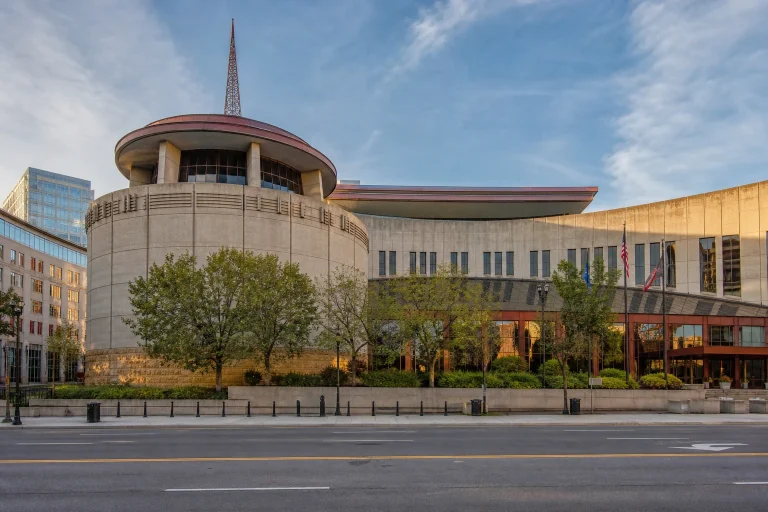
Often, the best museum visits start with an easy win, and the Tennessee State Museum gives you one right away. At 1000 Rosa L. Parks Blvd on Bicentennial Capitol Mall, you’ll find a sleek 2018-opened space with free admission. The Tennessee State Museum offers clear hours too: Tuesday through Saturday from 10:00 a.m. to 5:00, and Sunday from 1:00 to 5:00. Inside, permanent exhibits move you from First Peoples to today, so you can get your bearings fast. The Tennessee Time Tunnel sets the tone with a brisk, visual sweep through the state’s story. You’ll also spot natural history, Civil War galleries, music treasures, free lockers, accessible entrances, and nearby parking by the Nashville Farmers Market for an easy start to your day there. The museum is also closed on Mondays and major holidays like New Year’s Day, Easter, Thanksgiving, and Christmas.
Why Visit the Tennessee State Museum
You can walk into 137,000 square feet of Tennessee history for free and move from First Peoples to the present through artifacts, paintings, and multimedia in the Tennessee Time Tunnel. You’ll also find interactive family fun, from the Children’s Gallery to music stations where you can hear seven genres and spot treasures like Dolly Parton’s guitar and a Ryman bench. With free parking by the Nashville Farmers Market, plus handy extras like lockers and wheelchairs, it’s an easy stop that gives you rich culture without testing your wallet. The museum also offers free admission Tuesday through Sunday, making it one of Nashville’s easiest budget-friendly cultural stops.
Rich Tennessee History
History takes center stage at the Tennessee State Museum, and it’s one of the best reasons to visit. You’ll move through Tennessee history in the Tennessee Time Tunnel, where artifacts, paintings, and displays trace the story from First Peoples to today. Permanent galleries sharpen the view. You’ll see the frontier years, Andrew Jackson’s era, Civil War and Reconstruction, and the decades that reshaped the state. Natural History adds another layer with prehistoric finds, textiles, furniture, and photographs that connect landscapes to daily life. Then The Tennessee Playlist lets you meet the state’s soundtrack, from Dolly Parton’s guitar to an original Ryman bench. With free admission and rotating exhibitions, you’ll leave with a broader, livelier sense of Tennessee’s past and present alike in one visit. As one of the best museums in Nashville, it offers a standout introduction to the state’s culture and history.
Interactive Family Experiences
Past the timelines and landmark names, the Tennessee State Museum keeps the visit lively with hands-on spaces that invite kids to touch, listen, and play. In the Children’s Gallery, ages three to eight can try hands-on activities like STAX costume play, an earthquake table that shows how Reelfoot Lake formed, trains, fossils, and a Smokies zone built for exploring. Elsewhere, interactive displays in the Tennessee Time Tunnel and The Tennessee Playlist let you hear songs, tap multimedia stations, and test jukeboxes or old microphones. Portable stools, wheelchairs, lockers, and bottle refill spots keep a two- to three-hour family visit easy. Story time and rotating events keep the curiosity going after you leave. Check the museum calendar so your crew doesn’t miss a good surprise. If your family also wants to explore nearby history, the State Capitol in Downtown Nashville offers free public tours on weekdays.
Places to stay for this itinerary
Pair the day-by-day plan with a hotel location that keeps the trip simple.
 Featured stay
 Drury Plaza Hotel Nashville Downtown
- Free WiFi
- Non-smoking rooms
- Air conditioning
Central Location in Nashville Located in the heart of Nashville, Drury Plaza Hotel Nashville Downtown offers air-conditioned rooms with modern amenities and a range of facilities for a comfortable stay. Convenient Amenities Guests can enjoy a…
- Room, 1 King Bed, Hearing Accessible (Hearing…
- Breakfast Included
- Non-refundable rate
 Guest favorite
 Cambria Hotel Nashville Downtown
- Free WiFi
- Non-smoking rooms
- Air conditioning
Central Location Located in the heart of Nashville, Cambria Hotel Nashville Downtown offers a convenient stay near popular attractions like Bridgestone Arena, Ryman Auditorium, and the Johnny Cash Museum. Modern Amenities Enjoy air-conditioned rooms, an outdoor…
- 2 Queen Beds - Accessible Room
- Room Only
- Non-refundable rate
 Guest favorite
 La Quinta Inn & Suites by Wyndham Nashville Downtown Stadium
- Free WiFi
- Non-smoking rooms
- Air conditioning
Central Location in Nashville Located in the heart of Nashville, La Quinta Inn & Suites by Wyndham Nashville Downtown Stadium provides a convenient base for exploring the city. Situated near top attractions like Nissan Stadium and…
- 1 King Bed, Mobility Accessible Room, Tub…
- Breakfast Included
- Non-refundable rate
Free Cultural Access
Often, the best reason to visit the Tennessee State Museum is the simplest one: it opens 137,000 square feet of galleries to everyone for free. You can walk from First Peoples history to modern Tennessee without reaching for your wallet, and that changes the mood right away.
Instead of ticket lines, you get time for looking: pottery, uniforms, old signs, and stories that stretch to today. Free parking helps, though weekends can get tight, and WeGo buses make the trip easy. If you need support, you’ll find wheelchairs, stools, and lockers at no charge. Kids can roam the Children’s Gallery, while adults can book Guided Tours for deeper context. Even classrooms get Traveling Trunks and online lessons. For visitors who want to keep exploring Tennessee history afterward, Digital Tennessee offers online exhibits, newspapers, and state government publications through the Tennessee State Library & Archives. Free access here feels generous, practical, and un-fussy.
Tennessee State Museum Hours and Admission

Happily, you can walk into the Tennessee State Museum without buying a ticket, since admission is completely free. That makes planning easy, and your Tennessee State Museum hours matter more than your budget. You can visit Tuesday through Saturday from 10:00 a.m. to 5:00 p.m., or Sunday from 1:00 p.m. to 5:00 p.m. It’s closed Mondays and on New Year’s Day, Easter, Thanksgiving, and Christmas. If you’re planning a broader Nashville trip, the city’s annual events guide can also help you coordinate your museum visit around major festivals.
| Details | What you should know |
|---|---|
| Regular hours | Tue-Sat 10-5; Sun 1-5 |
| Admission | Free for everyone |
During open hours, you can borrow complimentary wheelchairs or portable stools, and use lockers for your extras. The Museum Store keeps the same hours. If you’re coming with 10 or more people, book your group tour ahead through the Education Department.
Where the Tennessee State Museum Is Located
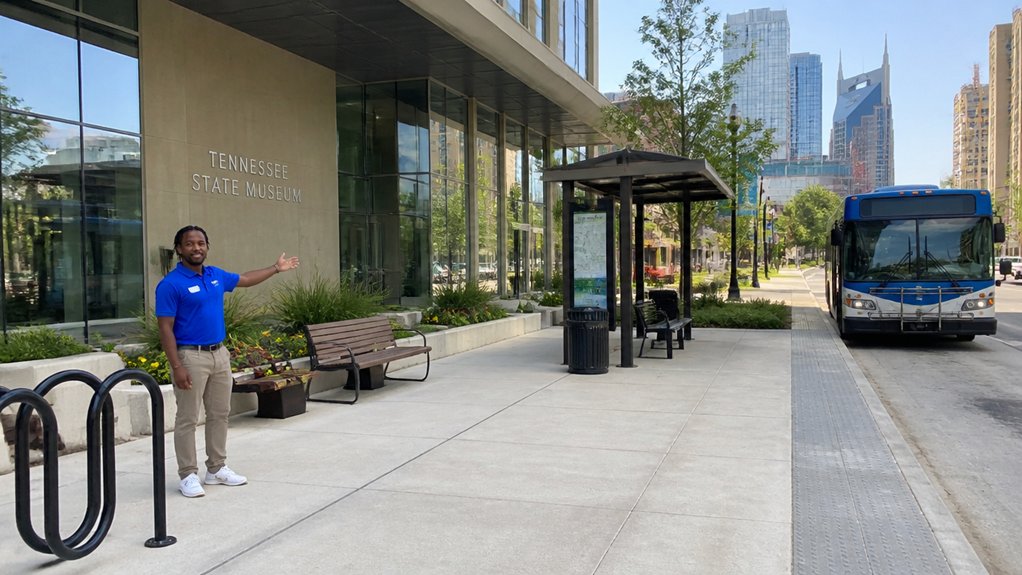
You’ll find the Tennessee State Museum at 1000 Rosa L. Parks Blvd in downtown Nashville, right at Rosa L. Parks Blvd and Jefferson Street beside the Nashville Farmers Market and Bicentennial Capitol Mall State Park. You can easily walk here from the State Capitol and other downtown sights, with broad green space and city streets setting the scene. If you’re planning your route, you’ve got free parking in the shared lot, nearby bus stops on WeGo routes 42, 22, and 29, plus bike racks and a BCycle dock if your wheels prefer fresh air. Its spot next to Bicentennial Capitol Mall State Park also makes it easy to pair your museum visit with time exploring the surrounding Capitol Mall area.
Museum Address
Brick paths, market stalls, and the Capitol skyline all point you to the Tennessee State Museum at 1000 Rosa L. Parks Blvd in downtown Nashville. You’ll find the entrance at the corner of Rosa L. Parks Boulevard and Jefferson Street, so your map work stays short. The address is easy to plug in, easy to spot, and easy to remember after one visit.
If you’re driving, parking is available in the shared lot by the museum, though weekends can feel a little like musical chairs. You can look for two-hour free spaces on 6th and 7th Avenues. If you ride the bus, routes 42, 22, and 29 stop at Rosa Parks and Jefferson Street. Bike racks wait at the 7th and 8th Avenue entrances. If you want to pair your museum stop with another historic landmark, the Tennessee State Capitol stands at 600 Dr. M.L.K. Jr Blvd in Nashville.
Nashville Hop On Hop Off Trolley Tour
Climb aboard and enjoy a live-narrated 1 hour and 50 Minute Hop-On Hop-Off Tour of Nashville with 13 stops. Tours de...
Best of Nashville City Sightseeing Tour on Double Decker Bus
Looking to learn more about Nashville in a flash? Then our fun-filled, one-hour city tour is a must! This Music City...
Discover Nashville City Tour with Entry to Ryman & Country Music Hall of Fame
Discover Nashville is an all-inclusive tour of the best that Nashville has to offer. Enjoy a driving tour of the la...
Nearby Landmarks
Because the Tennessee State Museum sits at the corner of Rosa L. Parks Boulevard and Jefferson Street, you’re surrounded by easy landmarks. Step outside and Bicentennial Capitol Mall State Park opens beside you with fountains, monuments, and broad views toward the State Capitol.
| Landmark | What you’ll notice | Distance |
|---|---|---|
| Bicentennial Capitol Mall State Park | Monuments, fountains, outdoor history | Next door |
| Nashville Farmers Market | Food stalls, vendors, local color | Beside museum |
| State Capitol | Greek Revival landmark from 1859 | Short walk |
| Riverfront Park | River views and open space | Walkable nearby |
You can grab lunch at the Nashville Farmers Market, then wander north to the State Capitol. Other nearby sights include the National Museum of African American Music and, farther out, the Parthenon. If you want a nature break after downtown landmarks, Shelby Bottoms Greenway offers free admission and is open dawn until dusk every day. Not bad for one corner.
Getting There
Set your map for 1000 Rosa L. Parks Blvd, and you’ll land at the corner of Jefferson Street, beside the Nashville Farmers Market and Bicentennial Capitol Mall State Park. You’re just northwest of downtown, close enough to stroll over from the Tennessee State Capitol and the World War II Memorial.
If you drive, look for free parking in the shared lot by the museum and market. On busy days, you can try the two-hour spaces on 6th and 7th Avenues. Riding transit? Take WeGo routes 42, 22, or 29 to Rosa L. Parks Blvd and Jefferson Street. You can also grab a BCycle at the Farmers Market dock. The nearby Nashville Farmers Market is a good stop for local flavor and fresh finds before or after your museum visit. Need access? Use the Rosa L. Parks Blvd entrance, with accessible spaces and a sidewalk nearby.
Tennessee State Museum Parking and Transit
| Option | Where | Notes |
|---|---|---|
| Shared lot | Museum and market | Free parking |
| Street parking | 6th and 7th Avenues | Two-hour limit |
| Bus | Routes 42, 22, 29 | Rosa Parks and Jefferson |
| Bikes | 7th and 8th entrances | Racks nearby |
If you drive, skip neighborhood street parking in Germantown and on Jefferson Street. As part of Germantown Nashville, the museum sits in one of the city’s most charming historic neighborhoods. For accessible parking, you’ll find four spaces near the entrance, including two van-accessible spots. You can also use the Rosa L. Parks Blvd entrance for drop-off, but don’t park there. Prefer transit? WeGo stops close. Cycling works too, with BCycle on 7th Avenue.
Permanent Galleries at the Tennessee State Museum
You can trace Tennessee’s story from First Peoples and Natural History to Tennessee Transforms as you move through galleries that span 13,000 BCE to the present. Along the way, the Tennessee Time Tunnel keeps you oriented with artifacts, paintings, multimedia, and era-specific portals that feel a bit like stepping through time without the jet lag. You’ll also spot standout exhibits in Forging a Nation, including a life-sized 1817 portrait of Andrew Jackson, and in Tennessee Transforms, where music memorabilia and Civil Rights era displays bring the postwar decades into sharp focus. For travelers interested in going deeper on the state’s musical legacy, the nearby National Museum of African American Music offers a complementary look at how Black artists shaped American sound.
Still comparing Tennessee State Museum?
Ask for tour ideas, hotel suggestions, or a simple trip plan that combines both.
Trip Helper
Gallery Timeline Overview
As you step into the permanent galleries, the museum guides you through Tennessee history in a clear timeline that starts in deep prehistory and moves toward today. In the Tennessee Time Tunnel, you pass era portals and artifacts that make the centuries feel close enough to touch. First Peoples begins around 13,000 BCE and traces Ice Age beginnings, Native cultures, and early Tennessee lives through unearthed objects. Then you move into frontier years, statehood, and the Civil War and Reconstruction. Finally, Tennessee Transforms carries you from 1945 forward with civil rights, technology, and music industry change shown through multimedia displays. It all flows smoothly, so you won’t need a map or a time machine today. Just comfortable shoes and a little curiosity will do nicely. Nearby, the Frist Art Museum is also showcasing The Impressionist Revolution through May 31, 2026, for visitors interested in pairing state history with a major art exhibition.
Signature Permanent Exhibits
That big-picture timeline gets even better once you stop at the museum’s standout permanent exhibits and let each era speak for itself. In the Tennessee Time Tunnel, you move through portals that shift from prehistoric Tennessee to today, with artifacts, paintings, and hands-on moments that keep the pace lively. First Peoples takes you back to about 13,000 BCE, where Ice Age clues, tools, and archaeological finds make early life feel close enough to touch. Then you meet leaders and legends in Forging a Nation before stepping into the Civil War and Reconstruction gallery, where uniforms and personal objects sharpen the human story. Finish in Tennessee Transforms, where civil rights history, postwar technology, and music memorabilia prove Tennessee never stopped reinventing itself. Nearby, NMAAM extends that story through immersive exhibits like Rivers of Rhythm, connecting American history with the evolution of African American music. You’ll leave with questions.
Best First-Time Tennessee State Museum Exhibits
A smart first lap through the Tennessee State Museum starts in the Tennessee Time Tunnel, where light, sound, and a clear timeline walk you from prehistoric Tennessee to the present and help you get your bearings fast.
- Step next into the First Peoples gallery for stone tools, pottery, and artifacts reaching back to 13,000 BCE.
- Move on to Forging a Nation and spot objects tied to Andrew Jackson, James K. Polk, and Davy Crockett.
- Finish in Tennessee Transforms, where Civil Rights history, tech shifts, and music treasures from Johnny Cash and Dolly Parton bring modern Tennessee into focus.
If you’re new here, this route keeps the Tennessee State Museum clear, vivid, and never dull on a first visit, even if your feet complain a little.
If you want another Nashville culture stop afterward, the exact-size replica of the original Parthenon in Athens stands in Centennial Park as a major museum and landmark.
Children’s Gallery and Family Fun
Families get a built-in play break at the Tennessee State Museum’s Children’s Gallery, a bright hands-on space designed for kids ages 3 to 8. You can drop in Tuesday through Saturday from 10:00 a.m. to 4:30, or Sunday from 1:00 to 4:30, though occupancy limits can apply. Inside, your crew can try the STAX costume area, test an earthquake table that explains Reelfoot Lake, spot trace fossils, and explore trains and the Smokies. Admission is free, and first-floor lockers help with strollers or bags. Complimentary stools and portable seating sit near entrances, and the Visitor Desk has free wheelchairs. For extra family fun before or after field trips, open the interactive Tennessee map and visit TN Museum.org/kids for kid-friendly activities and Children’s Gallery ideas. If your family enjoys Tennessee history here, you can also plan a visit to Andrew Jackson’s Hermitage for another engaging look at the state’s past.
Best of Nashville City Sightseeing Tour on Double Decker Bus
Looking to learn more about Nashville in a flash? Then our fun-filled, one-hour city tour is a must! This Music City...
Nashville Hop On Hop Off Trolley Tour
Climb aboard and enjoy a live-narrated 1 hour and 50 Minute Hop-On Hop-Off Tour of Nashville with 13 stops. Tours de...
Discover Nashville City Tour with Entry to Ryman & Country Music Hall of Fame
Discover Nashville is an all-inclusive tour of the best that Nashville has to offer. Enjoy a driving tour of the la...
Tours and Programs at the Tennessee State Museum
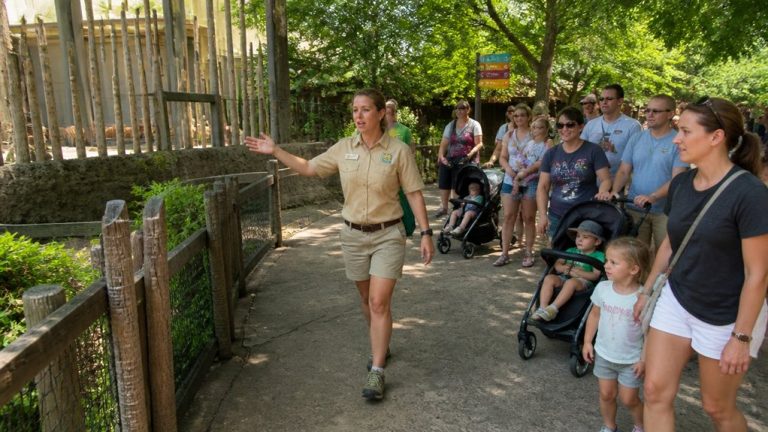
If you want more than a self-guided stroll, the Tennessee State Museum makes it easy to dig deeper. You can join Guided group tours if you’re with 10 or more people, but you’ll need to book ahead through the Education Department at (615) 741-0830.
- Bring a school group for free field trips, virtual visits, or Traveling Trunks of Time packed with replica artifacts and classroom materials.
- Catch a Lunch and Learn lecture in person or online, then browse past talks, Storytime readings, and short documentaries on the museum’s website.
- Check the calendar for Statehood Day fun, exhibit talks, and Junior Curators workshops. Even the Children’s Gallery adds hands-on programs for young explorers, though occupancy limits can apply during busy times. Plan ahead for best dates.
If you also enjoy presidential history, Andrew Jackson’s Hermitage offers educational opportunities for K-12 groups and lifelong learners on its 1,120-acre landmark property.
Accessible Visiting at the Tennessee State Museum
Fortunately, getting around the Tennessee State Museum is straightforward and welcoming from the moment you arrive. All public entrances are accessible, and elevators near the Visitor Desk carry you to second-floor exhibitions without fuss. If you need complimentary wheelchairs, just ask at the front desk. You can also borrow portable stools at exhibition entrances and request large-print guides for easier browsing.
For arrivals, accessible parking includes four marked spaces, including two van-accessible spots, plus a drop-off area on Rosa L. Parks Boulevard. Inside, free lockers and bottle-filling fountains keep your visit light and easy. Service dogs and service dogs-in-training are welcome, and staff can arrange language assistance or other accommodations with five business days’ notice if needed before your museum day begins smoothly there. Like the Frist Art Museum, this Nashville institution helps make arts and culture more approachable for a wide range of visitors.
Tennessee State Museum Rules and Policies
Before you plunge into Tennessee’s stories and artifacts, it helps to know the museum’s house rules so your visit stays easy and relaxed.
- Admission to the Museum is free, and you can snap personal photos without flash unless signs say otherwise in special exhibits.
- Check bags, parcels, or umbrellas over 11 x 15 inches at the Visitor Desk. Lockers are free. Wear small backpacks on your front or carry them by hand.
- Firearms are prohibited, and so are food, drinks, smoking, and vaping. Don’t touch exhibit objects. Service animals are welcome, accessibility is strong, and wheelchairs and stools are available for guests at all public entrances and galleries throughout the bright, quiet building. Also remember the museum is closed on Mondays.
For citywide emergencies or disaster-related issues during your trip, Nashville’s Office of Emergency Management coordinates local response and recovery.
How Long to Spend at the Museum
At a relaxed pace, you’ll want to give the Tennessee State Museum at least 2 to 3 hours to see the main permanent galleries without feeling rushed. That covers the major permanent exhibits and lets you pause for a film or two. If you’re one of those history enthusiasts who reads every panel, plan 4 to 6 hours. As one of Nashville’s free things to do, it’s easy to build museum time into a budget-friendly day downtown.
| Visitor type | Time |
|---|---|
| Main galleries | 2 to 3 hours |
| history enthusiasts | 4 to 6 hours |
| Children’s Gallery families | 1 to 2 hours |
Families often focus on the Children’s Gallery, then sample a few nearby displays. If you Plan Your Visit around a guided tour, Lunch & Learn, or a temporary show, add 60 to 90 minutes. Group tours need advance booking.
What to Do Near the Tennessee State Museum
Just outside the museum, you’ve got one of Nashville’s easiest clusters of sights to explore on foot.
- Stroll Bicentennial Capitol Mall State Park and you’ll pass monuments, the Rivers of Tennessee Fountain, and the World War II Memorial within minutes.
- Walk to the Tennessee State Capitol for a guided tour of the 1859 Greek Revival building and its quiet historic grounds.
- Pop next door to the Nashville Farmers Market for produce, handmade goods, and a lunch with choices that beat sad vending machines.
If you’ve got more time, drive to the National Museum of African American Music, the Parthenon, or Riverfront Park. You can also catch an Old Town Trolley or Gray Line tour at the market and keep exploring downtown with ease today.
Frequently Asked Questions
Does the Tennessee State Museum Have a Gift Shop?
Yes, you’ll find a gift shop at the Tennessee State Museum, where you can browse museum merchandise, enjoy souvenir shopping, and discover items inspired by local artisans, so you can take home a Tennessee keepsake.
Can You Take Photos Inside the Museum?
Yes, you can usually take photos inside the museum, but you’ll need to avoid flash photography, follow interpretive signage, and practice good photography etiquette so you don’t disturb visitors, staff, or sensitive exhibits when possible.
Are There Places to Eat Inside the Museum?
Yes—like an oasis, you’ll find cafeteria options inside, and you can check picnic policies before visiting. If hunger strikes, you’ve also got snack vending available, so you won’t need to wander for a bite.
How Often Do Rotating Exhibits Change?
You’ll usually see rotating exhibits change every few months, though exhibit turnover varies with curation cycles and loan schedules. You can check the museum’s calendar, because you’ll often find new installations debuting seasonally or annually.
Can Visitors Donate Artifacts to the Museum?
Yes—couldn’t your artifact help preserve history? You can donate artifacts if you provide provenance research, meet the museum’s acquisition policy, and allow a conservation assessment. You’ll contact staff first, and they’ll review everything carefully, together.
Conclusion
As you leave the Tennessee State Museum, you don’t just step back onto Rosa L. Parks Boulevard. You carry a map inside you. Stone tools, battle flags, music clips, and children’s hands-on displays turn into compass points for the state’s long story. With free admission, easy parking, and the Farmers Market next door, the visit feels invigoratingly simple. Give it two or three hours, follow the timeline, and let Tennessee open like a well-worn songbook.
Nashville Hop On Hop Off Trolley Tour
Climb aboard and enjoy a live-narrated 1 hour and 50 Minute Hop-On Hop-Off Tour of Nashville with 13 stops. Tours depart daily from 9am - 4pm approxim...
Best of Nashville City Sightseeing Tour on Double Decker Bus
Looking to learn more about Nashville in a flash? Then our fun-filled, one-hour city tour is a must! This Music City...
Discover Nashville City Tour with Entry to Ryman & Country Music Hall of Fame
Discover Nashville is an all-inclusive tour of the best that Nashville has to offer. Enjoy a driving tour of the la...