RCA Studio B Nashville Guide
Get the essential RCA Studio B Nashville guide, from Elvis’s blue X to must-book tour tips, and discover what makes this humble room unforgettable.
Choose the Nashville music experience that fits your night.
The Opry, Ryman, songwriter rooms and music-history stops all tell a different part of the city. Compare timing, seating, location and how much structure you want.
Just as you turn onto Music Row, you happen to find one of Nashville’s biggest stories tucked inside a plain 1957 building. At RCA Studio B, you sit where hits were cut, hear session playbacks bounce off movable acoustic panels, and spot Elvis’s blue X by the mic. The tour is short, timed, and worth booking ahead. But what actually makes this small room feel so charged once the guide starts talking?
Key Takeaways
- RCA Studio B, built in 1957 on Music Row, is the “Home of 1,000 Hits” and a birthplace of the Nashville Sound.
- Guided tours last about 30 to 40 minutes, with a lobby intro, studio-floor listening session, stories, and brief photo time.
- Inside, you’ll see Elvis Presley’s piano, the famous blue X vocal spot, movable acoustic walls, and vintage recording equipment.
- The tour highlights major recordings by Elvis, Dolly Parton, Roy Orbison, Waylon Jennings, and other artists tied to Nashville history.
- Book ahead through the Country Music Hall of Fame, arrive early, and plan carefully because shuttle departure times and tour pacing are strict.

Country Music Hall of Fame, RCA Studio B, Hatch Show Combo Ticket
See three of Nashville's Top Attractions with this exclusive combo ticket, including admission to the Country Music Hall of Fame® and Museum, RCA Stu...

Nashville RCA Studio B & Country Music Hall of Fame Ticket Combo
RCA STUDIO B Walk in the footsteps of legends with a tour of the Historic RCA Studio B. Hear inside details from fam...

Music Row Walking Tour
The Music Row Walking tour begins at a convenient location right on Music Row! A walking tour on the row is an easy...

Music Row and 12th South Experience Shuttle
The Music Row Shuttle Experience begins at a convenient downtown location, with a comfortable ride to the infamous d...
Is the RCA Studio B Tour Worth It?
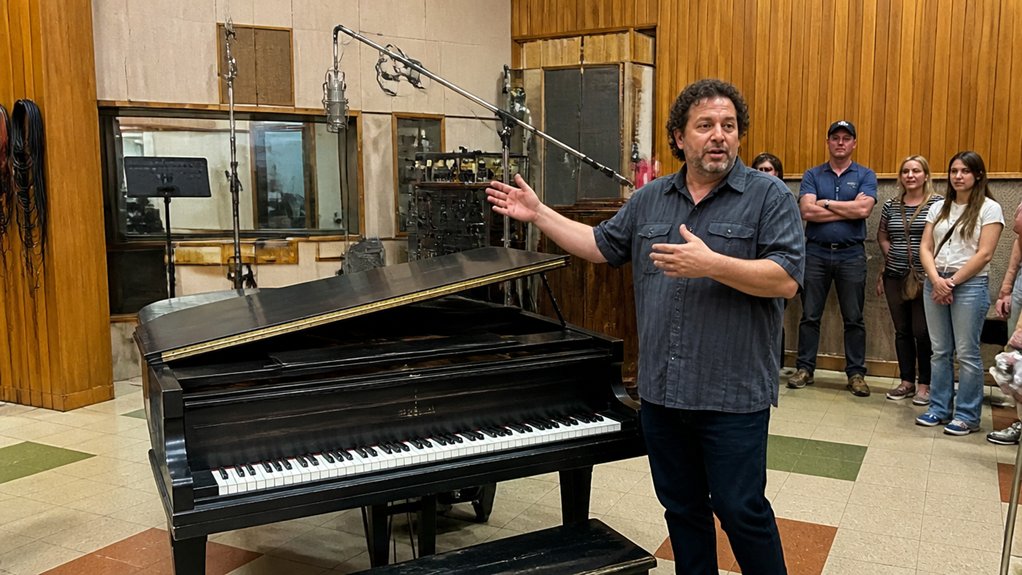
If you’re on the fence, the RCA Studio B tour is usually worth it. You get more than a quick peek at a famous room. Guides share sharp stories, and original recordings drift overhead while you take in the lobby and studio floor. Seeing Elvis’s piano, the movable walls, old equipment, and the blue X feels vivid, not dusty. Many visitors leave with goosebumps or tears, which tells you how deeply RCA Studio B can land. Timing is tight, so book ahead and show up early because the bus won’t wait. If you can swing a combo ticket with the Country Music Hall of Fame, it’s usually money well spent for Nashville’s recording story and your travel memory bank too. that lasts for years. If you want to add another iconic stop, the nearby Ryman offers a Self-Guided Tour with star-studded exhibits and onstage photo opportunities.
What Is RCA Studio B?
When you step into RCA Studio B, you’re standing in a 1957 Music Row landmark that helped put Nashville on the world music map. You can still feel how this room shaped the Nashville Sound, with its smooth vocals, strings, and vintage gear working a little magic. It’s the kind of place where music history feels close enough to tap on the shoulder. As one of the defining studios on Music Row, RCA Studio B also reflects the neighborhood’s central role in Nashville’s recording industry.
Historic Studio Legacy
Although it looks modest from the street, RCA Studio B is one of the most important rooms in American music. On Music Row, this Historic RCA Studio earned its Home of 1,000 Hits nickname by hosting stars like Elvis Presley, Chet Atkins, the Everly Brothers, Don Gibson, and Dolly Parton. When you step inside, you feel the legacy in the low ceilings, old piano, and hush between stories. RCA Studio operated from 1957 to 1977, and you can trace Nashville’s rise through songs recorded here, including “I Will Always Love You.” Today, the Country Music Hall of Fame and Museum keeps it alive as a preserved attraction and classroom, where guided tours let you listen closely and imagine the red recording light flicking on. For many first-time visitors, a stop here pairs naturally with the Grand Ole Opry as part of a deeper look at Nashville music history.
Nashville Sound Origins
So what is RCA Studio B, exactly? You’re looking at the room where Nashville found a new voice. Built in 1957 on Music Row, RCA Studio B became the birthplace of the Nashville Sound, a style that softened country with smooth backing vocals and lush strings so records could reach pop listeners, too. Inside, that polish came from smart studio tricks: movable walls, careful mic placement, and a handpicked crew of session players. You can hear the results in hits like Don Gibson’s “Oh Lonesome Me” and Dolly Parton’s “I Will Always Love You.” Chet Atkins, Elvis Presley, Eddy Arnold, the Everly Brothers, Roy Orbison, and Charley Pride all helped shape the sound here. No wonder people call it the Home of 1,000 Hits, and you can still feel that hum today. Visitors exploring Nashville’s music legacy can also connect this story to the Grand Ole Opry, the Home of Country Music, through tours and live performances.
Places to stay for this itinerary
Pair the day-by-day plan with a hotel location that keeps the trip simple.
 Featured stay
 Drury Plaza Hotel Nashville Downtown
- Free WiFi
- Non-smoking rooms
- Air conditioning
Central Location in Nashville Located in the heart of Nashville, Drury Plaza Hotel Nashville Downtown offers air-conditioned rooms with modern amenities and a range of facilities for a comfortable stay. Convenient Amenities Guests can enjoy a…
- Room, 2 Queen Beds, Hearing Accessible (Hearing…
- Breakfast Included
- Refundable until Sep 25
 Guest favorite
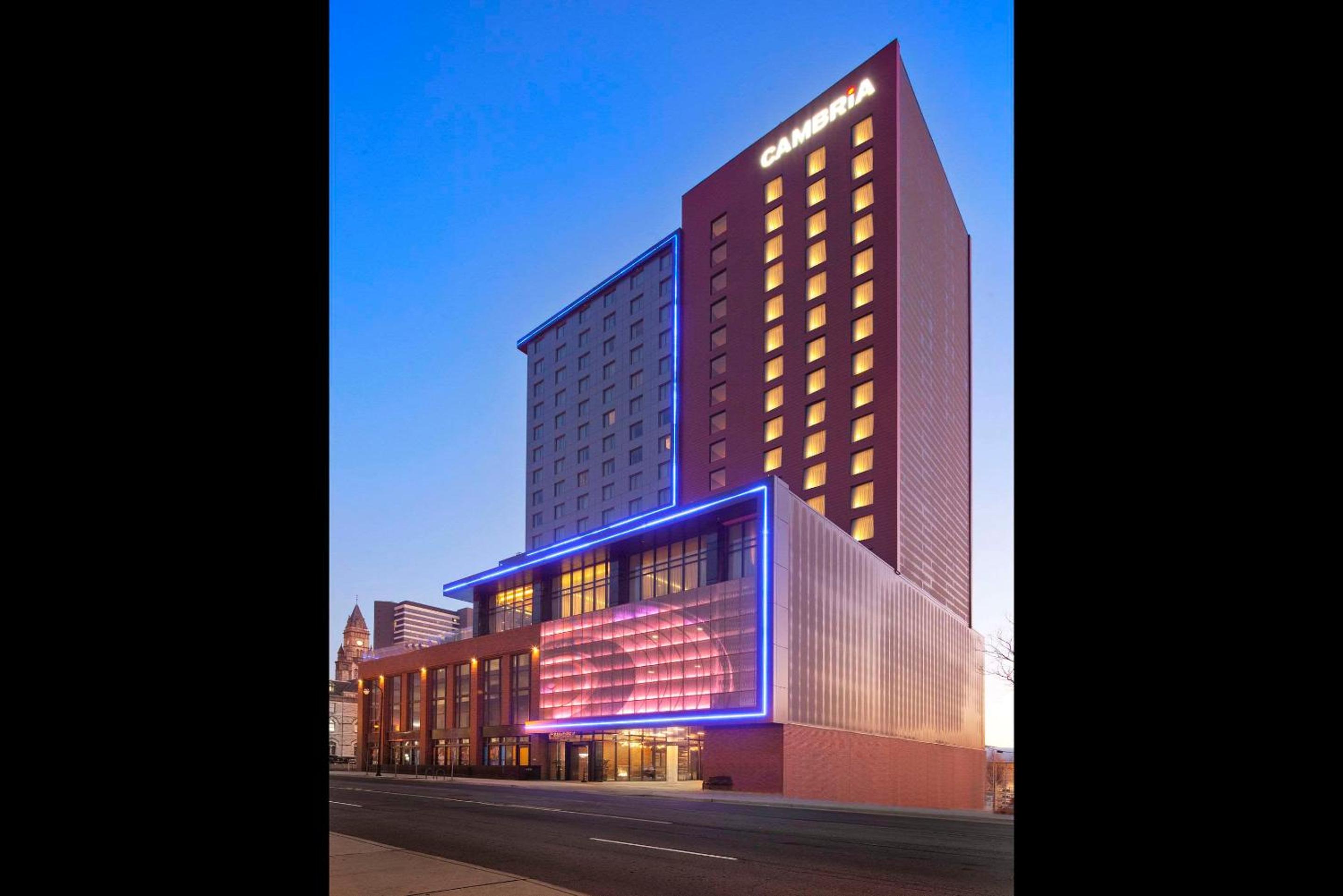
 Cambria Hotel Nashville Downtown
- Free WiFi
- Non-smoking rooms
- Air conditioning
Central Location Located in the heart of Nashville, Cambria Hotel Nashville Downtown offers a convenient stay near popular attractions like Bridgestone Arena, Ryman Auditorium, and the Johnny Cash Museum. Modern Amenities Enjoy air-conditioned rooms, an outdoor…
- 2 Queen Beds, Nonsmoking
- Room Only
- Non-refundable rate
 Guest favorite
 La Quinta Inn & Suites by Wyndham Nashville Downtown Stadium
- Free WiFi
- Non-smoking rooms
- Air conditioning
Central Location in Nashville Located in the heart of Nashville, La Quinta Inn & Suites by Wyndham Nashville Downtown Stadium provides a convenient base for exploring the city. Situated near top attractions like Nissan Stadium and…
- 2 Queen Beds, Non-Smoking
- Breakfast Included
- Non-refundable rate
Why Studio B Matters in Nashville
When you step into Studio B, you’re standing where the Nashville Sound took shape and helped turn the city into a global recording capital. You can trace that legacy through iconic hits by Elvis, Dolly Parton, and others, then spot details like vintage gear and Elvis’s blue X on the floor, which is a pretty great mark to leave on a room. You also see why this studio still anchors Music Row’s cultural story, linking Nashville’s past to the tours and student sessions that keep it alive today. The Country Music Hall of Fame and Museum also features Historic RCA Studio B tours as part of its broader Nashville experience.
Birthplace Of Nashville Sound
Few rooms in Nashville carry as much musical weight as RCA Studio B. From 1957 through 1977, you can trace how RCA helped reshape country music inside these walls on Music Row. Producers polished rougher honky-tonk edges with smooth backing vocals and lush strings. That fresh blend became the Nashville Sound, a style that pulled country toward pop without losing its heart. When you visit today, the rooms still feel compact and workmanlike, like a place built for long days and careful listening. The Country Music Hall of Fame and Museum now preserves the studio as a cultural stop and a teaching space, so you don’t just look around. You hear how Nashville found a wider voice right here in one modest room. Travelers interested in Nashville music history often pair a stop here with the Johnny Cash Museum to see how the city’s recording legacy spread beyond Music Row.
Home Of Iconic Hits
Legends echo through RCA Studio B because this compact room didn’t just witness music history, it made it. Step inside and you can trace how hit after hit took shape here, earning the Studio its “Home of 1,000 Hits” nickname. Elvis Presley recorded here. So did Dolly Parton, Chet Atkins, Roy Orbison, Eddy Arnold, and Waylon Jennings. You can point to landmark songs like “Oh Lonesome Me,” “Only Daddy That’ll Walk the Line,” and Dolly’s original “I Will Always Love You.” The movable walls, vintage amps, old gear, and Elvis’s blue X reveal why records sounded so vivid. You don’t just see a room. You feel the craft that turned performances into standards and made Nashville impossible to ignore for the whole country industry. It remains a highlight on many recording studio tours for visitors exploring Nashville’s music legacy.
Music Row Cultural Legacy
Those hit records did more than fill jukeboxes. When you visit RCA Studio B, you see why Nashville’s Music Row still matters. Built in 1957, the studio helped turn a local industry into an international recording capital. Its smooth Nashville Sound gave country broader pop appeal. It also helps explain why RCA Studio B remains one of Nashville’s best live music venues for understanding the city’s recording heritage.
| You notice | Why it matters |
|---|---|
| Blue X on the floor | Elvis still feels close |
| Vintage piano and gear | History looks touchable |
| Student tours today | Music Row keeps teaching |
You stand where Dolly Parton, Chet Atkins, Roy Orbison, and others cut classics, and the room feels less like a museum than a working memory. Original equipment, preserved walls, and that famous vocal spot make cultural tourism easy to feel, even if your playlist usually lives somewhere else on headphones.

Music Pass: Entry to 6 Museums, Trolley Tour, Ole Smoky Tasting
This pass is for the music lovers visiting Nashville!!! From the Country Music Hall of Fame & Museum to The National...

Nashville's Historic Electric Bike Tour
Nashville's Award-Winning Historic Tour for a reason! See the best from the ground up with an immersive electric bik...

Private Music Row Walking Tour
Hey y’all — I’ve lived in Nashville for over 20 years, writing songs, co-writing on Music Row, and performing...
RCA Studio B Tickets and Combo Tours
For an easy way to plan your visit, book RCA Studio B tickets in advance and pay close attention to the tour time. Standalone tickets work well, but combo packages often give you more for the day. The RCA Studio B & Country Music Hall of Fame Combo (rating 4.8,from $55) pairs the studio with the museum and can save money compared with buying separately. The nearby Country Music Hall of Fame offers a deeper look at Nashville’s recording history, making the combo tour especially worthwhile.
Because departures are strict, you should arrive early for check-in and head to the meeting point on time. If you’re late, the bus won’t wait. Book ahead if you can. Demand stays high, and popular tours often sell out. Inside, you’ll catch guided highlights, lobby presentations, listening sessions, Elvis’s blue X, and his vintage piano. Photo time stays limited.
How the Studio B Tour Works
You’ll board from the optional pickup spot outside the Country Music Hall of Fame, and the bus leaves right on time, so get there early if you’d rather not watch it roll away without you. Once you arrive, you’ll get a quick history in the lobby before stepping onto the recording floor, where guides play original tracks, share artist stories, and point out treasures like Elvis’s piano and the studio’s old-school gear. If you have time before or after your visit, nearby Hatch Show Print offers another classic slice of Nashville music history through its iconic poster-making tradition. The tour moves on a tight clock, so you’ll want to follow the guide, snap photos when allowed, and head out promptly for the next group.
Boarding And Departure
Show up early, because the Studio B tour starts before the music does. If you’re using the optional bus pickup from the Country Music Hall of Fame, treat the posted boarding time like a downbeat, not a suggestion. Buses usually pull out at 10:30 sharp, and late arrivals can end up waving goodbye from the curb.
The whole operation runs on a tight clock, so guides keep boarding brisk and departures even brisker. This is especially helpful on a car-free itinerary, since the shuttle keeps your visit simple without needing to drive yourself. You’ll check in, gather with your group, and listen for instructions before moving out. At the studio, the pace stays steady because groups rotate through all day. That means quick exits too. When your time wraps, you’ll have a brief moment for photos near the vintage gear, then staff escorts you out so the next busload can roll in.
Inside The Tour
Before anyone steps onto the recording floor, the tour sets the mood with a short lobby presentation on Studio B’s history, from its 1957 opening to its reputation as the birthplace of the Nashville Sound. Like the National Museum experience, this introduction helps frame the music in a broader cultural story before the tour moves deeper into the space.
- You sit where legends recorded and hear full takes that make the room feel alive around you.
- Your guide layers in stories about Elvis, Dolly Parton, and Roy Orbison with crisp, well-timed detail and warmth.
- You study the original gear, movable acoustic walls, and Elvis’s piano under soft lights, which still gives the studio a lived-in glow.
- You notice the blue X for Elvis’s vocal spot and realize this is part museum, part time machine, curated by the Country Music Hall of Fame and Museum today.
Still comparing RCA Studio B Nashville?
Ask for tour ideas, hotel suggestions, or a simple trip plan that combines both.
Trip Helper
Timing And Photo Rules
Because Studio B runs on a tight clock, the tour works best when you treat it like a timed performance and not a casual drop-in. Book ahead, arrive early, and remember the bus can leave the Country Music Hall of Fame at 10:30 sharp. If you’re late, Nashville history rolls on without you. The pace starts in the lobby, where your guide sets the scene with stories and overhead recordings before you enter the room. Once on the studio floor, you’ll sit while the guide reveals Elvis’s piano, movable walls, and amps. Photo time is controlled. You can shoot while the guide talks, but you can’t roam. Some moments are staged, including an Elvis session re-creation, so follow directions and keep camera ready. If you want to add another historic stop afterward, the nearby State Capitol offers free admission on weekdays.
What You’ll See Inside Studio B
A blue X on the floor grabs your eye as soon as you step into Studio B. It marks the spot where Elvis sang, and the original recording floor still feels wonderfully lived in. You’ll notice movable wall panels, vintage amps, rare wooden xylophones, and Elvis’s piano waiting under the lights.
Studio B greets you with Elvis’s blue X, a lived-in recording floor, and instruments still humming with history.
- You sit on the studio floor, inside the acoustics.
- You hear overhead playbacks from original sessions.
- You get a quick lobby overview of the Nashville Sound.
- You have a brief, guided moment for photos.
The guide fills the room with stories while full songs sometimes roll through the speakers, including “Are You Lonesome Tonight?” It’s immersive, a little uncanny, and just structured enough to keep tours moving smoothly for everyone. Like a first-time guide to the Ryman Auditorium, this visit helps newcomers know what to notice right away.
Elvis, Dolly, and Studio B Legends
Step into Studio B and the guest list starts to feel unreal. You stand where Elvis recorded, with a blue X still marking his vocal spot and his vintage piano nearby. Dolly Parton made history here too, cutting her original 1973 version of “I Will Always Love You.” Roy Orbison recorded “Only the Lonely” in this room, and Waylon Jennings tracked “Only Daddy That’ll Walk the Line” here in 1968.
As you look around, the nickname “Home of 1,000 Hits” makes sense. Movable walls, vintage amps, and original recording gear show you how the room shaped sound. Guided listening sessions help you hear the difference. It’s part museum, part working time capsule, and yes, your inner playlist nerd may get very excited today too. In many hidden gems guides to Nashville, Studio B stands out as an offbeat spot where music history still feels vividly alive.
Famous Stories Told on the Tour

Listen closely on the Studio B tour and the room starts talking through its best stories.
- You hear how Elvis recorded “Are You Lonesome Tonight?” with the lights off for mood, then accidentally head-butted a microphone in 1960. Even legends have moments.
- You spot the blue X marking Elvis’s vocal place and the vintage piano his band used, which makes the room feel oddly present.
- You listen to original tracks and tales behind Don Gibson, Roy Orbison, and Dolly Parton hits cut here.
- You learn how movable walls, old recording gear, and a relentless RCA schedule helped build the Nashville Sound and earn Studio B its “Home of 1,000 Hits” nickname. You can almost picture singers lining up, coffee cooling, while another classic clicks alive nearby.
- If you enjoy seeing how Nashville preserves iconic spaces, the city’s Parthenon replica offers another memorable look at how history and storytelling come alive through place.
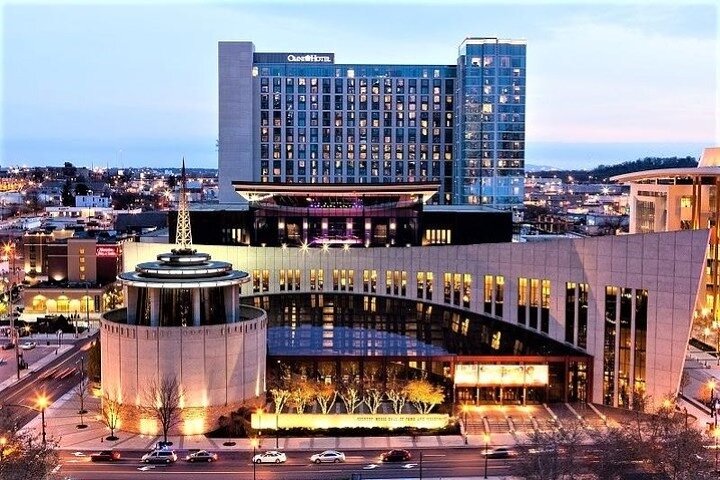
Nashville Fun Pass: Johnny Cash Museum, City Trolley, RCA Studio
This Nashville Attraction Pass allows you to prepay for some of Nashville’s most popular attractions, save money a...

Private Nashville Christian Music Tour
This 4-hour Nashville Christian Music Tour offers a glimpse into the city's rich heritage in Christian music, from e...
Circle Pass: Johnny Cash, Trolley Tour, Ryman, Ole Smoky & More
Exploring the best and most iconic attractions in Nashville, and at your leisure. No timed itinerary, pure discovery...
How Long a Studio B Visit Takes
Although Studio B looms large in music history, the actual visit moves fast and lands in about 30 to 40 minutes. You’ll begin with a brief lobby talk, then move into the recording room for playback of original tracks and stories about three artists, including Elvis. It feels compact, not rushed, because the guide keeps the focus tight and the room does the rest. Near the end, you usually get 5 to 10 minutes for photos on the studio floor, where the piano, microphones, and polished surfaces make every angle tempting. Tours stick to a strict schedule, so arrive early and be ready to go on time. If you pair Studio B with the Country Music Hall of Fame, plan a full day, though this stop stays under an hour. For broader trip planning, the Ryman site also highlights live music venue details for Nashville concertgoers.
How to Get to RCA Studio B
On Music Row, RCA Studio B feels close to the action, but getting there works best when you treat it like a timed appointment, not a casual drop-in. The studio sits near downtown favorites, yet the tour runs on its own clock, with quick boarding, quick photos, and no room for guesswork that day. If you plan to pair your studio tour with museum time, remember that the Tennessee State Museum offers free admission and sits at 1000 Rosa L. Parks Blvd near the Farmers Market.
Treat RCA Studio B like a timed appointment: close to downtown, but the tour keeps its own clock.
- Book tickets early through the Country Music Hall of Fame and Museum, since Studio B tours can sell out fast.
- Check whether you board at the museum or use the optional bus pickup outside.
- Arrive at least 15 minutes early. The shuttle leaves on time, and traffic can play tricks.
- If you drive, allow extra time for limited street parking on Music Row, or grab a rideshare.
Studio B or the Ryman for First-Timers?
For first-timers, the choice comes down to what kind of music memory you want to step into. If you want to stand where hits were built, choose RCA Studio B. Built in 1957, it’s the Home of 1,000 Hits, and you’ll see Elvis’s piano, the blue X marking his vocal spot, and original gear that shaped the Nashville Sound. Dolly Parton recorded “I Will Always Love You” here in 1973.
Pick the Ryman if you want the feeling of a room made for live emotion. Its acoustics, worn wood, and stage history can hit you fast. If your time is tight, pair RCA Studio B with the Country Music Hall of Fame, one of the best museums to explore in Nashville. Or do the Ryman with Broadway or the Opry if live shows pull you harder.
Frequently Asked Questions
Is RCA Studio B Wheelchair Accessible for Visitors With Mobility Needs?
Yes, you can visit, but you’ll need to plan ahead. Wheelchair logistics matter because tours use a shuttle, tight studio spaces, and fixed paths, so contact visitor services to confirm bus lift access and accommodations.
Are Children Allowed on the Studio B Tour?
Yes—you’re welcome to bring kids on the Studio B tour. Children welcome. You’ll get engaging storytelling and listening moments, but your children must stay with the group, follow instructions, and you should book ahead.
Is Parking Available at RCA Studio B or the Tour Departure Point?
No, you won’t find much parking at RCA Studio B itself. Tour parking? You should use the Country Music Hall of Fame garage or nearby paid lots, arrive early, and expect limited street spots nearby.
Can You Buy Souvenirs or Merchandise Related to Studio B?
Yes—the theory that you can’t find Studio B keepsakes on-site isn’t fully true; you’ll buy them at Country Music Hall of Fame shop, where you can check Merchandise authenticity, snag shirts, prints, magnets, and booklets.
Are Restrooms Available Before or After the Studio B Tour?
Yes—you can use Nearby facilities before the tour at the Country Music Hall of Fame area. Afterward, restroom access at Studio B is limited, so arrive beforehand and ask staff if you need access there.
Conclusion
You leave RCA Studio B with more than a photo. You carry the hush of that compact room, the scrape of chairs on the floor, and the snap of old playbacks filling the air. Booking ahead and catching the shuttle on time keeps it easy. If Nashville’s music story feels huge, this stop makes it human. In a world built for playlists, you sit where the hits were still handmade, one take at a time.
Nashville Fun Pass: Johnny Cash Museum, City Trolley, RCA Studio
This Nashville Attraction Pass allows you to prepay for some of Nashville’s most popular attractions, save money and have everything arranged in adv...
Nashville RCA Studio B & Country Music Hall of Fame Ticket Combo
RCA STUDIO B Walk in the footsteps of legends with a tour of the Historic RCA Studio B. Hear inside details from fam...
Country Music Hall of Fame, RCA Studio B, Hatch Show Combo Ticket
See three of Nashville's Top Attractions with this exclusive combo ticket, including admission to the Country Music...
Private Music Row Walking Tour
Hey y’all — I’ve lived in Nashville for over 20 years, writing songs, co-writing on Music Row, and performing...