Musicians Hall of Fame Nashville Guide
Plan a visit to the Musicians Hall of Fame & Museum in downtown Nashville, including exhibits, tickets, hours, accessibility, location, timing, and practical tips.
A few Nashville experiences are worth choosing before the trip.
The best paid add-ons usually give you music context, food insight, easier transport or a better first-day overview.
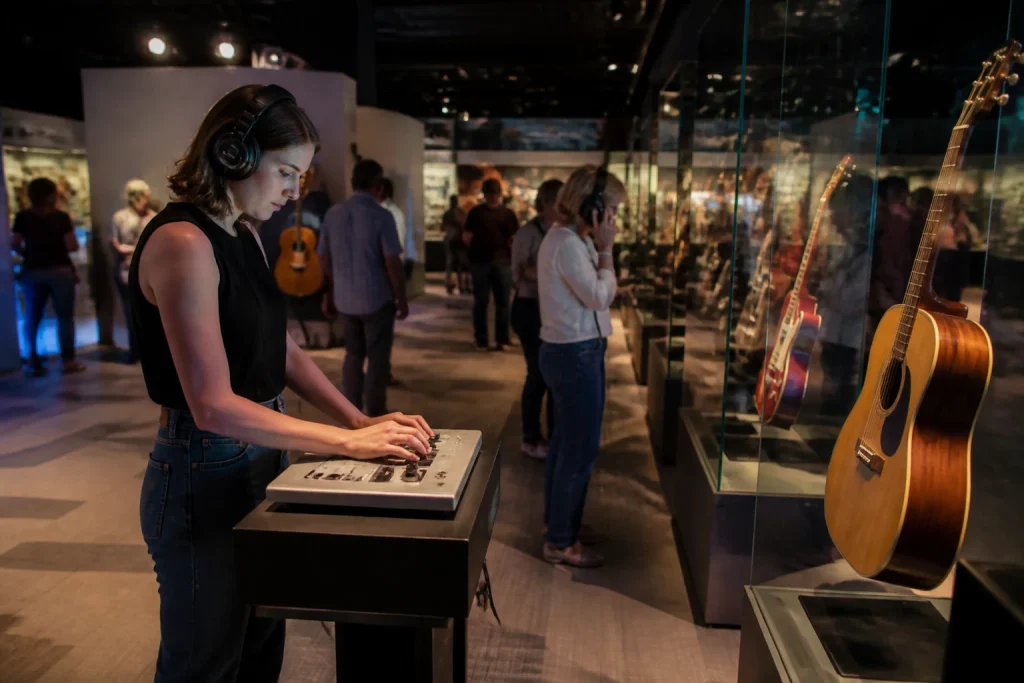
The Musicians Hall of Fame & Museum turns the spotlight toward the players, producers, engineers, instruments, and recording stories behind famous music. Located in downtown Nashville, this compact museum crosses genres rather than concentrating only on country music. Admission also includes the interactive GRAMMY Museum Gallery, adding hands-on experiences to the displays about recorded sound.
- Allow about 1.5 to 2 hours for a self-guided visit.
- Standard hours are Monday through Saturday, 10:00 a.m. to 5:00 p.m., with the last tour beginning at 4:00 p.m.
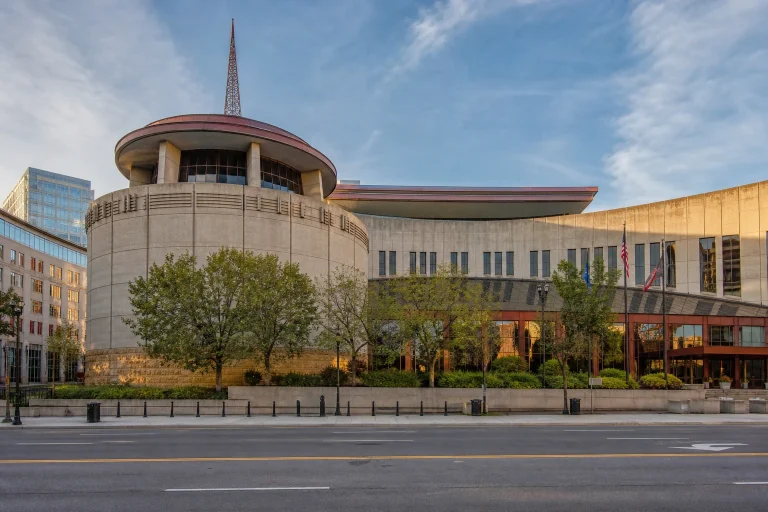
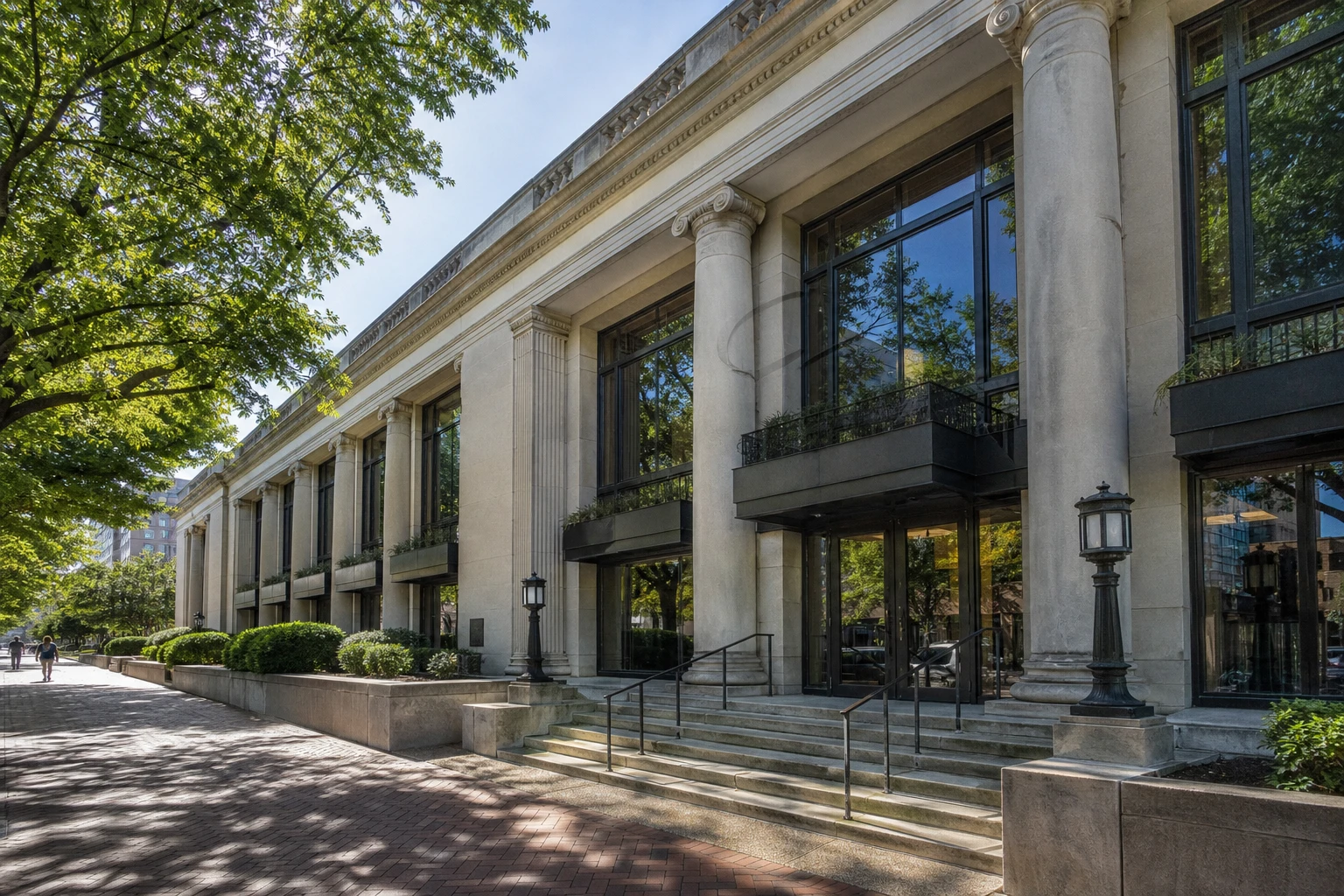
- The museum is at 401 Gay Street inside the Historic Nashville Municipal Auditorium. Enter from Musicians Way.
- Admission includes the interactive GRAMMY Museum Gallery.
- The museum is wheelchair accessible and offers several visitor accommodations.
- Check the operating schedule and current ticket price before purchasing because hours and rates can change.
This is a particularly good choice for travelers curious about how records are made and who plays on them. The collection offers a different perspective from museums centered on one performer or musical style. Its manageable length also makes it easy to fit around lunch, another downtown museum, or an evening performance.

Musicians Hall of Fame and Museum Admission Ticket in Nashville
Come See What You've Heard at the Musicians Hall of Fame and Museum, located in the heart of Nashville, Tennessee. Visit one of the city's most popul...

Best of Nashville City Sightseeing Tour on Double Decker Bus
Looking to learn more about Nashville in a flash? Then our fun-filled, one-hour city tour is a must! This Music City tour is perfect for guests on a s...
Is the Musicians Hall of Fame worth visiting?
The museum is worth visiting if album credits, studio craft, instruments, and the people behind celebrated recordings interest you. Its cross-genre focus reveals how session musicians, producers, and engineers shape the music listeners eventually hear. The interactive gallery gives visitors another way to engage with that creative process rather than only reading display panels.
It is less suited to someone seeking a full-day survey of country music history. For that broader subject, use the Country Music Hall of Fame Guide to compare the experience or plan both museums. The two approaches complement each other: one emphasizes the larger country music story, while the Musicians Hall of Fame concentrates on the skilled people and tools behind recordings.
The relatively short visit is another advantage. You can explore thoughtfully without committing most of a day. That makes the museum practical for a weekend itinerary, a rainy afternoon, or a gap before another downtown activity. Visitors who enjoy technical details can spend longer with individual stories, while casual music fans can maintain a comfortable pace.
Places to stay for this itinerary
Pair the day-by-day plan with a hotel location that keeps the trip simple.
 Featured stay
 Drury Plaza Hotel Nashville Downtown
- Free WiFi
- Non-smoking rooms
- Air conditioning
Central Location in Nashville Located in the heart of Nashville, Drury Plaza Hotel Nashville Downtown offers air-conditioned rooms with modern amenities and a range of facilities for a comfortable stay. Convenient Amenities Guests can enjoy a…
- Room, 1 King Bed, Hearing Accessible (Hearing…
- Breakfast Included
- Non-refundable rate
 Guest favorite
 Cambria Hotel Nashville Downtown
- Free WiFi
- Non-smoking rooms
- Air conditioning
Central Location Located in the heart of Nashville, Cambria Hotel Nashville Downtown offers a convenient stay near popular attractions like Bridgestone Arena, Ryman Auditorium, and the Johnny Cash Museum. Modern Amenities Enjoy air-conditioned rooms, an outdoor…
- 2 Queen Beds - Accessible Room
- Room Only
- Non-refundable rate
 Guest favorite
 La Quinta Inn & Suites by Wyndham Nashville Downtown Stadium
- Free WiFi
- Non-smoking rooms
- Air conditioning
Central Location in Nashville Located in the heart of Nashville, La Quinta Inn & Suites by Wyndham Nashville Downtown Stadium provides a convenient base for exploring the city. Situated near top attractions like Nissan Stadium and…
- 1 King Bed, Mobility Accessible Room, Tub…
- Breakfast Included
- Non-refundable rate
What you can expect inside the museum
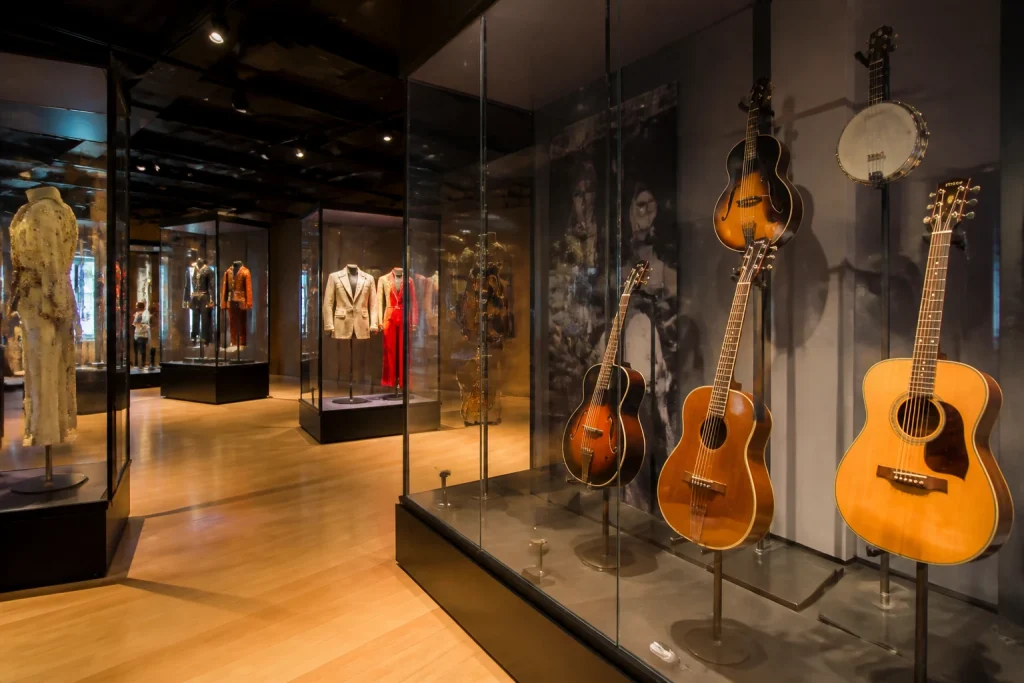
The central theme is the work behind recorded music. Exhibits focus on session musicians, engineers, producers, instruments, and the stories attached to major records. This approach broadens the usual Nashville music narrative. Instead of treating a performance as the work of one star, the museum explores the network of talent involved in creating a finished recording.
The cross-genre scope matters. Nashville is closely associated with country music, but this museum is not limited to one sound. Visitors can approach it as a recorded-music museum where studio work, instrumental skill, and production connect different genres. That makes it especially appealing to musicians, record collectors, audio enthusiasts, and anyone who reads liner notes.
The interactive GRAMMY Museum Gallery
General admission includes the interactive GRAMMY Museum Gallery. The hands-on component gives the visit a change of rhythm and helps balance historical displays with active engagement. Families and mixed-interest groups can use this section to break up the reading and object-focused portions of the museum.
A useful strategy is to avoid rushing toward the interactive features immediately. Start with the recording stories and musicians, then use the gallery as a lively second act. If your group has different levels of musical knowledge, agree on a meeting point before separating so everyone can follow the exhibits at a comfortable pace.
Hours and the best time to visit
Published standard hours are Monday through Saturday from 10:00 a.m. to 5:00 p.m. The last tour begins at 4:00 p.m., and Sunday is listed as closed. Because private events, maintenance, and special circumstances can affect access, check the museum’s current schedule on the day you plan to go.
Allow 1.5 to 2 hours and avoid treating 4:00 p.m. as an ideal arrival time. Arriving earlier creates room to linger at displays and enjoy the interactive gallery without watching the clock. A morning visit can also leave the rest of the day open for lunch and another central Nashville attraction.
The museum lists closures on Thanksgiving Day, Christmas Eve, Christmas Day, and New Year’s Day. Holiday travelers should confirm the schedule before building an itinerary around the museum. Rare closures can also occur for maintenance or special events.
Tickets, current price guidance, and booking terms
Tickets are available online and at the museum. Purchasing online can provide faster check-in, although it is important to confirm your date before completing the order. The Nashville tourism ticket listing describes purchases as nonrefundable, nonreturnable, and nonexchangeable.
| Ticket category | Listed price | Planning note |
|---|---|---|
| Adult, ages 18 to 64 | $26 | Confirm the current rate before purchase. |
| Senior, age 65 and older | $25 | Age eligibility applies. |
| Child, ages 6 to 17 | $15 | Confirm current family ticket needs before booking. |
These figures are check-before-booking prices rather than guaranteed rates. Prices can change without notice, so use the final checkout amount when setting your budget. Admission includes the interactive GRAMMY Museum Gallery, which means visitors do not need a separate ticket for that part of the experience.
Online purchase is most useful when you have already settled your schedule. Buying at the museum keeps the day more flexible, but check the current hours before making the trip. Either approach works, and the better choice depends on whether speed at check-in or itinerary flexibility matters more to you.

Nashville RCA Studio B & Country Music Hall of Fame Ticket Combo
RCA STUDIO B Walk in the footsteps of legends with a tour of the Historic RCA Studio B. Hear inside details from fam...

Country Music Hall of Fame and Museum Admission
For over half a century the Country Music Hall of Fame and Museum has been home to a growing collection of over 2.5...
Grand Ole Opry Admission with Post-Show Backstage Tour
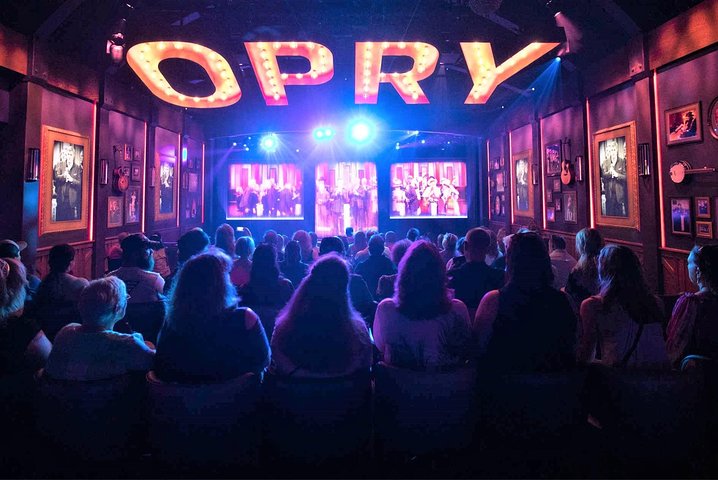
GRAND OLE OPRY Experience the thrill of a live concert at Nashville’s premier country music stage, the world-renow...
How to reach the museum in downtown Nashville
The Musicians Hall of Fame & Museum is at 401 Gay Street on the first floor of the Historic Nashville Municipal Auditorium. The visitor entrance is on Musicians Way. Use the museum’s official directions rather than relying only on a postal code, and look for the designated entrance when you reach the auditorium complex.
The museum provides an online parking map, but parking cost and space availability can vary. Drivers should review that map before departure and leave enough time to park and walk to the entrance. Avoid setting a tightly timed reservation immediately before the visit, especially if you are unfamiliar with downtown streets.
The Music City hop-on-hop-off sightseeing service stops outside the museum. The Nashville Trolley Tour Guide can help travelers decide whether that style of sightseeing fits the rest of the day. Confirm the current service schedule separately, since the museum’s opening hours and sightseeing vehicle timetable are not necessarily the same.
Travelers who are not driving can also consult the guide to how to get around Nashville without a car before choosing a route. Build in a small time cushion and navigate to the Musicians Way entrance. This is more dependable than assuming every map pin will lead directly to the visitor door.
Wheelchair access and visitor accommodations
The museum states that it is fully wheelchair accessible. A ramp runs from the road to the front door, and manual wheelchairs, power wheelchairs, mobility scooters, and other manually powered mobility aids are permitted in public areas. Seating is also available during the tour.

Loan wheelchairs are available with at least 24 hours’ advance notice. Because the available quantity is limited, arrange one ahead of time rather than depending on same-day availability. Visitors bringing their own mobility aid can use it in public areas.
Service animals are welcome. The museum also admits caregivers accompanying visitors with disabilities free of charge at the ticket counter. Handle that admission arrangement at the counter when arriving, and allow a little extra time for check-in if your party needs assistance.
A practical plan for a smooth 1.5 to 2-hour visit
- Check the day’s opening status, particularly during holidays or major events.
- Choose between advance online tickets and buying at the museum. Confirm the date before purchasing because listed ticket terms are restrictive.
- Navigate to 401 Gay Street and use the Musicians Way entrance.
- Move through the recording-history displays at a comfortable pace, then allow time for the interactive GRAMMY Museum Gallery.
- Finish before your next fixed reservation rather than scheduling the museum inside a narrow gap.
The museum cannot hold luggage or bags. Visit after checking into your accommodation, before collecting luggage for departure, or after arranging storage elsewhere. This rule is especially important for travelers trying to fit the museum between hotel checkout and a flight.
A small schedule buffer improves the experience. The stated visit length is a planning range, not a requirement to rush. Music enthusiasts can spend more time with recording stories, while visitors traveling with children can alternate between displays and hands-on areas according to the group’s attention span.
Still comparing Musicians Hall Of Fame And Museum?
Ask for tour ideas, hotel suggestions, or a simple trip plan that combines both.
Trip Helper
Who will get the most from the museum?
Musicians, producers, sound enthusiasts, record collectors, and dedicated music fans are the clearest audience. The museum rewards curiosity about how songs move from studio performance to finished recording. Visitors do not need technical expertise, but an interest in instruments and behind-the-scenes creative work helps the subject land.
It can also work well for families because admission includes interactive exhibits and child tickets cover ages 6 through 17. Still, the best fit depends on each child’s interest in music and museum displays. Families should plan a flexible pace rather than expecting every member of the group to spend equal time at each exhibit.
First-time Nashville visitors should view it as one layer of the city’s music story. It provides depth on the people behind recordings, while other attractions can supply broader genre history, individual artist stories, live performance, or print culture. That distinction helps prevent mismatched expectations.
How to pair the museum with another Nashville experience
Pairing the museum with the Country Music Hall of Fame creates a fuller music-history day. The Musicians Hall of Fame emphasizes studio contributors, instruments, producers, engineers, and recordings. A broader country music museum can then expand the historical and genre context. Leave enough space between visits for lunch and unhurried travel.
A downtown sightseeing route is another sensible option because the museum occupies the first floor of the Historic Nashville Municipal Auditorium. Use the Downtown Nashville Travel Guide to organize the surrounding portion of the day rather than zigzagging across the city between timed activities.
Try not to stack several detail-heavy museums without a break. After 1.5 to 2 hours of reading, listening, and interacting, a meal or outdoor pause can help reset your attention. The goal is to remember the stories rather than race through a checklist of attractions.
Common planning mistakes to avoid
- Arriving close to the final tour and expecting a leisurely visit.
- Assuming the museum is open on Sunday or a major holiday.
- Buying a ticket for the wrong date without reviewing the nonexchangeable and nonrefundable terms.
- Bringing luggage and expecting the museum to store it.
- Using only the street address without noting that the entrance is on Musicians Way.
- Expecting a country-music-only museum rather than a cross-genre look at recorded music.
Most of these problems are easy to prevent. Check the schedule, settle your luggage plan, review ticket details, and give yourself the full suggested visit window. Those few steps protect the part of the day that matters: exploring how talented people behind the scenes helped create familiar music.
The final verdict for Nashville visitors
The Musicians Hall of Fame & Museum is a strong choice for visitors who want a focused, cross-genre look at the people and equipment behind recorded music. Its 1.5 to 2-hour length is easy to manage, and the included interactive gallery broadens the experience. Its main limitation is scope: travelers seeking an expansive country music survey should combine it with another museum rather than treating it as a direct substitute.
Choose a Monday-through-Saturday time, verify the day’s schedule, and confirm the current ticket total before paying. Then arrive through the Musicians Way entrance without luggage and leave room to follow whichever recording stories capture your attention. That simple plan turns a compact museum stop into a revealing look behind the sound of popular music.
Frequently asked questions
How long does the Musicians Hall of Fame take?
Plan about 1.5 to 2 hours for a self-guided visit. Music enthusiasts can allow extra time for individual recording stories and the interactive GRAMMY Museum Gallery.
What are the Musicians Hall of Fame hours?
Standard hours are Monday through Saturday from 10:00 a.m. to 5:00 p.m., with the last tour beginning at 4:00 p.m. Sunday is listed as closed, and hours can change for private events, maintenance, or holidays, so check the day’s schedule before leaving.
Where is the Musicians Hall of Fame in Nashville?
The museum is at 401 Gay Street on the first floor of the Historic Nashville Municipal Auditorium. The entrance is on Musicians Way.
Is the Musicians Hall of Fame only about country music?
No. It is a cross-genre museum focused on session musicians, engineers, producers, instruments, and recording stories behind major records.
Does admission include the GRAMMY Museum Gallery?
Yes. General admission includes the interactive GRAMMY Museum Gallery.
Is the Musicians Hall of Fame wheelchair accessible?
Yes. The museum states that it is fully wheelchair accessible and permits wheelchairs, mobility scooters, and other manually powered mobility aids in public areas. Loan wheelchairs are available with at least 24 hours’ advance notice, and seating is provided during the tour.
Do caregivers receive free admission?
Caregivers accompanying visitors with disabilities are admitted free of charge at the ticket counter. Service animals are also welcome.
Can I leave luggage at the museum?
No. The museum cannot hold luggage or bags, so arrange storage elsewhere before arriving.
Do I need to buy tickets in advance?
Advance purchase is optional because tickets are sold online and at the museum. Online tickets can make check-in faster, but confirm your date before buying because the listed terms describe purchases as nonrefundable and nonexchangeable.
How much are Musicians Hall of Fame tickets?
The Nashville tourism ticket listing currently shows $26 for adults ages 18 to 64, $25 for seniors age 65 and older, and $15 for children ages 6 to 17. Prices can change without notice, so confirm the total during checkout.
Musicians Hall of Fame and Museum Admission Ticket in Nashville
Come See What You've Heard at the Musicians Hall of Fame and Museum, located in the heart of Nashville, Tennessee. Visit one of the city's most popul...
Best of Nashville City Sightseeing Tour on Double Decker Bus
Looking to learn more about Nashville in a flash? Then our fun-filled, one-hour city tour is a must! This Music City...