
Nashville 2-Day Hop-On Hop-Off Trolley Pass Guide
Plan a Nashville trolley sightseeing itinerary, understand current route logistics, and confirm two-day validity before booking.
A sightseeing loop can make Nashville easier to read.
For first-timers, a trolley or guided route can connect Broadway, music history, neighborhoods and museum stops without constant logistics.
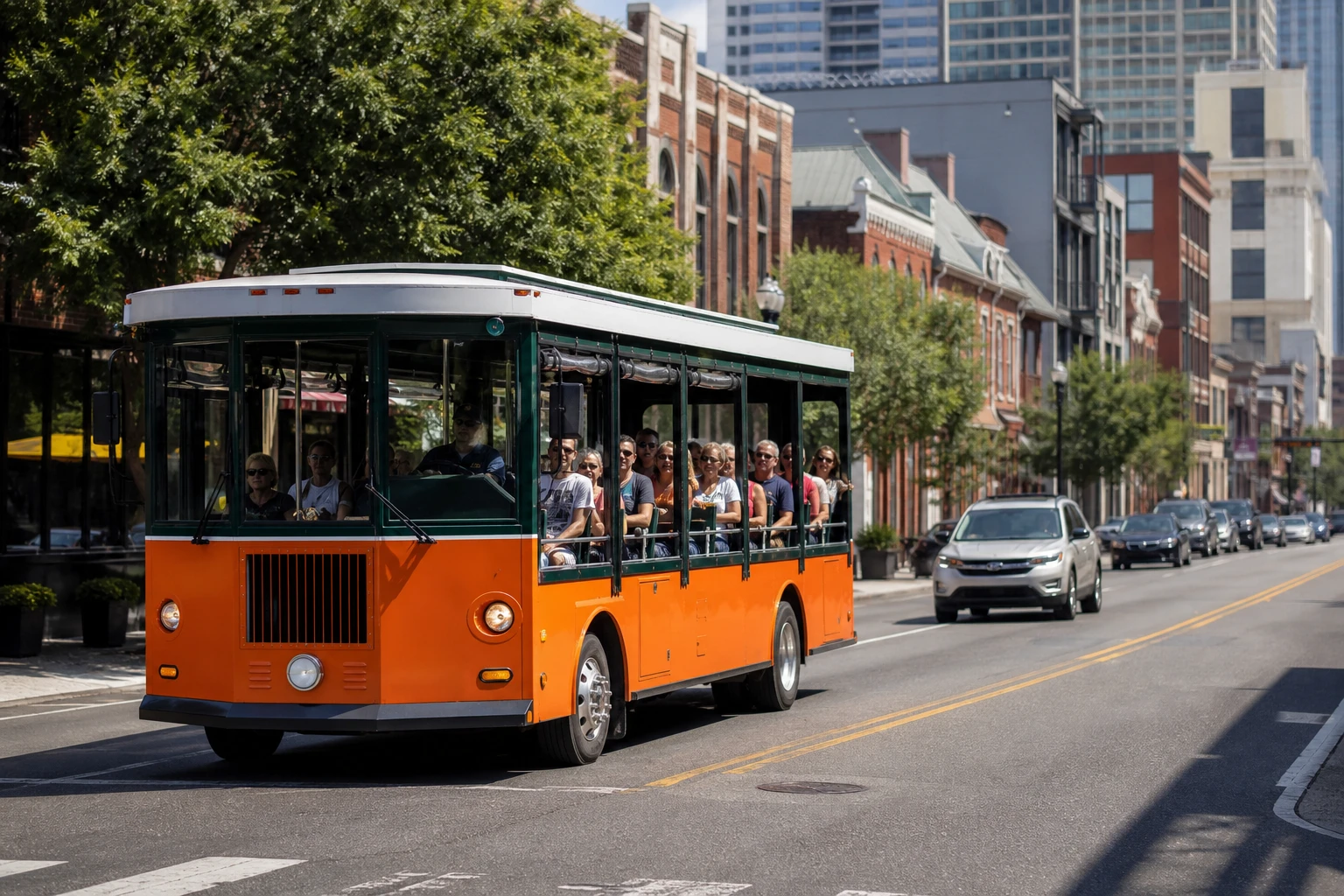
A Nashville 2-day hop-on hop-off trolley plan can make sense for travelers who want narrated sightseeing without repeatedly navigating between neighborhoods. First, confirm that the ticket in the live booking flow explicitly includes two-day or 48-hour validity. Old Town Trolley’s current general information promotes an all-day hop-on hop-off product, while its 13-stop route can still provide a smart framework for spreading sightseeing across two days if that longer validity is available.
- Confirm two-day or 48-hour validity before building your itinerary around it.
- The route has 13 stops, and you can board at any stop rather than beginning at Stop 1.
- Allow roughly 90 to 110 minutes for a non-stop loop and about 20 to 30 minutes between trolleys.
- Use one day for the downtown cluster and another for the west and south stops, rather than trying to hop off everywhere.
- Plan for daytime touring, open-air seating, and a practical late-afternoon cutoff for reboarding.
Confirm the ticket really covers two days before booking
The essential booking question is validity. The operator’s general Nashville information describes an all-day ticket with unlimited reboarding while the pass remains valid. Treat a two-day plan as conditional until the live product description expressly says “2-day” or “48-hour,” and check how the validity period is calculated. A two-day itinerary only works if both intended sightseeing days are covered by the ticket you select.

Nashville Hop On Hop Off Trolley Tour
Climb aboard and enjoy a live-narrated 1 hour and 50 Minute Hop-On Hop-Off Tour of Nashville with 13 stops. Tours depart daily from 9am - 4pm approxim...
Check the live total before you buy rather than relying on an old fare. The operator advertises advance online savings, but promotions change and no fixed current fare belongs in a long-range plan. Children age 4 and under are listed as free. If a two-day option is offered, compare its stated validity and inclusions with the cost of the available all-day product.
Know the route, loop time, and daytime service pattern
The trolley route links 13 designated stops: Marathon Motor Works, Centennial Park and the Parthenon, Midtown, Belmont Mansion, The Gulch, Frist and Union Station, Country Music Hall of Fame, 201 Broadway, Ryman Auditorium, Legislative Plaza and TPAC, Musicians Hall of Fame, Farmers’ Market, and Capitol View. That reach is useful for orientation, but it is a fixed sightseeing loop rather than an all-purpose transit network.
| Service detail | What it means for a two-day plan |
|---|---|
| Stops | Board at any of the 13 route stops and reboard while your pass is valid. |
| Typical frequency | Build in about 20 to 30 minutes for the next trolley, plus the walk back to the stop. |
| Non-stop loop | A full circuit takes roughly 90 to 110 minutes, with traffic affecting the exact time. |
| Daytime timing | The current posted operating window is 9 a.m. to 4 p.m.; plan major hopping earlier and check the day’s schedule. |
| Live updates | Use the real-time tracker on your touring day instead of planning around an assumed stop time. |
A complete loop can be worthwhile when you first board, especially if you want the live narration to introduce the city’s layout. After that, use the trolley with intention. It is best for daytime sightseeing between route stops, not for getting back after an evening on Broadway. A wait, a loop segment, and walking time can easily turn one quick stop into a substantial part of the day.
Use a two-day itinerary to separate downtown from the outer stops
If your ticket clearly covers two days, split the route by area. Keep the dense downtown stops together on one morning and afternoon. Save the farther west and south stops for the second day. This approach leaves time for actual visits rather than treating every stop as a photo break, and it reduces the risk of spending too much of the afternoon waiting to reboard.

Day 1: downtown music, Broadway, and the market
Begin early near the Country Music Hall of Fame, then use 201 Broadway and Ryman Auditorium as your central downtown hopping points. A Country Music Hall of Fame guide is useful if that museum is a priority, while a Downtown Nashville travel guide can help you choose what to do on foot between trolley rides. Continue toward Legislative Plaza and TPAC, Musicians Hall of Fame, Farmers’ Market, and Capitol View according to your interests and available time.
This is the day to be selective. Choose one or two major indoor visits, a Broadway walk, and perhaps a food stop rather than attempting a full attraction schedule at every location. Travelers planning a longer pause around the Farmers’ Market can use a Nashville Farmers’ Market guide to shape that stop before returning to the trolley.
Day 2: Marathon, Centennial Park, Midtown, and The Gulch
Use the second day for Marathon Motor Works, Centennial Park and the Parthenon, Midtown, Belmont Mansion, The Gulch, and Frist and Union Station. Start in the morning so a long park or neighborhood stop does not collide with the late-day service window. A Centennial Park Nashville guide can help you make more of the Parthenon stop, while a Gulch Nashville guide is handy for deciding how to spend time around that route location.
Keep the itinerary flexible enough to ride past a stop that does not appeal in the moment. The point of hop-on hop-off service is choice, but every extra hop comes with a possible wait. When the route is running smoothly, that is manageable. When traffic or a special event disrupts downtown streets, fewer, better-chosen stops make the day more enjoyable.
Nashville Hop On Hop Off Trolley Tour
Climb aboard and enjoy a live-narrated 1 hour and 50 Minute Hop-On Hop-Off Tour of Nashville with 13 stops. Tours de...

Night Time Trolley Tour of Nashville with Photo Stops
You haven’t seen Nashville until you’ve seen it at night. Enjoy an informative and entertaining tour with an exp...
Choose a practical boarding point and allow for parking
There is no need to travel to Stop 1 before boarding. Listed ticket-booth locations include Marathon Motor Works at 1200 Clinton Street, the Country Music Hall of Fame area at 1 Symphony Place, 315 Broadway, and 201 Broadway. Pick the location closest to your first planned activity, then use the route tracker to time your arrival at the stop.
Drivers should not assume trolley parking is included. Parking conditions near the stops range from free and limited street spaces to permit-only and paid options. If you are already staying downtown, walking to a nearby stop can remove that variable. Digital tickets can be scanned from a phone, and the standard daytime tour is listed as not requiring a reservation.
Prepare for open-air comfort, families, and accessibility needs
These are open-air trolleys without traditional air-conditioning. Plastic weather windows can be raised or lowered, and winter trolleys are heated. For an August outing, bring water, sun protection, and a compact rain layer. A breezy moving trolley can feel pleasant between stops, but a long wait on a sunny sidewalk or a sudden shower changes the equation quickly.
Wheelchair and scooter arrangements need advance planning
Many, but not all, vehicles have motorized wheelchair and scooter lifts. The operator asks for at least 24 hours’ notice and for guests using the lift to arrive at least 15 minutes before the desired departure. Lift loading and unloading is currently limited to stops 1, 2, 3, 6, 7, 8, 10, and 12, so route planning matters as much as the attractions you want to see.
The listed maximum combined rider, cargo, and mobility-device weight is 600 pounds. Devices can be up to 30 inches wide and 48 inches long. Collapsible wheelchairs can be stored when a rider can transfer, and scooter users are asked to transfer to a trolley seat when possible. Confirm the arrangement in advance so the correct vehicle and eligible stop are coordinated for your plans.
Strollers and service animals
Collapsible strollers are permitted, which helps families combine trolley time with a day of downtown walking. Only trained service animals are allowed. Keep the touring day realistic for younger travelers: the route is flexible, but the seating is open-air and frequent hopping can be tiring. Children age 4 and under are listed as free.
Check live route conditions on the morning of your tour
Nashville events and road closures can alter traffic flow, stop timing, and routing. Check the trolley tracker and operator update before heading out, then review Metro Nashville’s road-closure information if your plan depends on Broadway or another downtown stop. Avoid locking a time-sensitive dinner, show arrival, or airport transfer directly after a final trolley ride.
Is a two-day trolley pass worth it for your Nashville trip?
A confirmed two-day pass suits first-time visitors who want guided context, intend to visit stops across more than one part of the route, and prefer less day-to-day navigation. It is less useful for travelers focused on one walkable district, nightlife, or destinations beyond the fixed loop. Its strength is sightseeing convenience; its limitation is the daytime schedule and time absorbed by waits and circling.
Start by confirming the validity printed on the ticket you are considering. If it covers two days, choose a downtown-focused day and a west-and-south-focused day, begin early, and use the tracker as you go. That simple structure gives the Nashville trolley room to be what it does best: an easy-moving introduction to the city’s major sightseeing corridors.
Frequently asked questions
Does Nashville have a 2-day hop-on hop-off trolley pass?
Do not assume a two-day pass is currently available. The operator’s general Nashville information promotes an all-day hop-on hop-off product, so confirm an explicit 2-day or 48-hour validity statement in the live booking flow before planning two days of rides.
How long does the Nashville trolley route take without hopping off?
A non-stop loop takes roughly 90 to 110 minutes. Trolleys typically arrive about every 20 to 30 minutes, so allow for a wait and walking time every time you hop off.
Do I have to begin at Stop 1?
No. You can board the trolley at any route stop. Choose the stop closest to your first sightseeing plan, then use the tracker to judge when to arrive.
Is the Nashville hop-on hop-off trolley wheelchair accessible?
Many, but not all, trolleys have motorized lifts, and advance arrangements are needed. The operator requests at least 24 hours’ notice, has device size and weight limits, and currently handles lift loading only at selected stops.
Can I use the trolley after Nashville nightlife on Broadway?
No, plan on a different way back after nightlife. The trolley is a daytime sightseeing service, with the current posted operating window ending at 4 p.m.; check the date-specific schedule before touring.
Are strollers and young children allowed on the trolley?
Yes, collapsible strollers are permitted, and children age 4 and under are listed as free. Keep in mind that the trolleys are open-air and a day with many hop-offs can be tiring for younger children.
Nashville Hop On Hop Off Trolley Tour
Climb aboard and enjoy a live-narrated 1 hour and 50 Minute Hop-On Hop-Off Tour of Nashville with 13 stops. Tours depart daily from 9am - 4pm approxim...
Night Time Trolley Tour of Nashville with Photo Stops
You haven’t seen Nashville until you’ve seen it at night. Enjoy an informative and entertaining tour with an exp...
Hotel bases to compare after this tour
Once you have the tour shortlist, compare a few stays that can make the trip logistics easier.
 Featured stay
Drury Plaza Hotel Nashville Downtown
- Free WiFi
- Non-smoking rooms
- Air conditioning
Central Location in Nashville Located in the heart of Nashville, Drury Plaza Hotel Nashville Downtown offers air-conditioned rooms with modern amenities and a range of facilities for a comfortable stay. Convenient Amenities Guests can enjoy a…
- Room, 1 King Bed, Hearing Accessible (Hearing…
- Breakfast Included
- Non-refundable rate
 Guest favorite
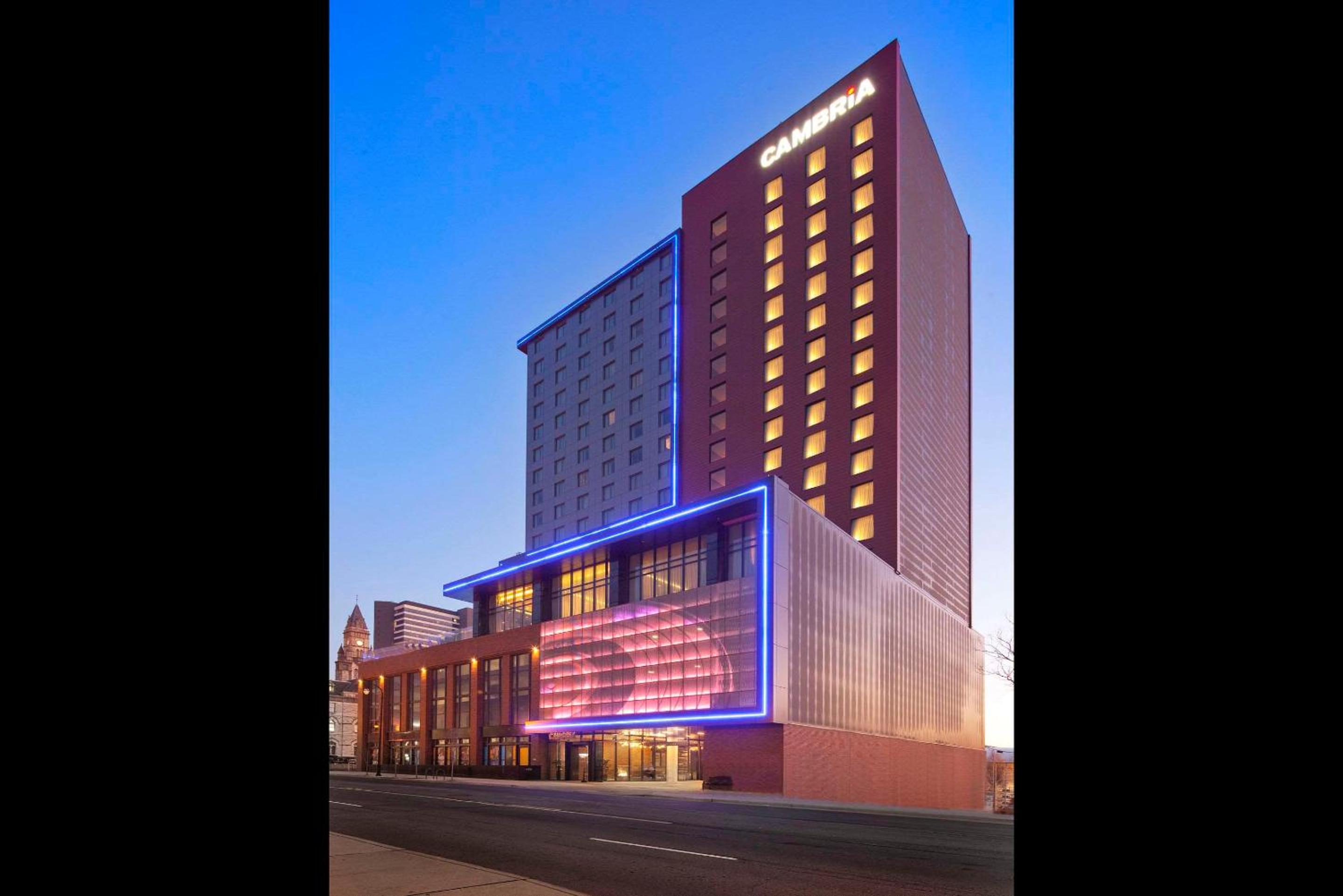
Cambria Hotel Nashville Downtown
- Free WiFi
- Non-smoking rooms
- Air conditioning
Central Location Located in the heart of Nashville, Cambria Hotel Nashville Downtown offers a convenient stay near popular attractions like Bridgestone Arena, Ryman Auditorium, and the Johnny Cash Museum. Modern Amenities Enjoy air-conditioned rooms, an outdoor…
- 2 Queen Beds - Accessible Room
- Room Only
- Non-refundable rate
 Guest favorite
La Quinta Inn & Suites by Wyndham Nashville Downtown Stadium
- Free WiFi
- Non-smoking rooms
- Air conditioning
Central Location in Nashville Located in the heart of Nashville, La Quinta Inn & Suites by Wyndham Nashville Downtown Stadium provides a convenient base for exploring the city. Situated near top attractions like Nissan Stadium and…
- 1 King Bed, Mobility Accessible Room, Tub…
- Breakfast Included
- Non-refundable rate
 Guest favorite
Holiday Inn & Suites Nashville Downtown - Broadway by IHG
- Free WiFi
- Non-smoking rooms
- Air conditioning
Luxurious Accommodation Holiday Inn & Suites Nashville Downtown Broadway offers elegant rooms equipped with modern amenities like flat-screen TVs, coffee makers, and work desks. The hotel's prime location in the heart of Downtown Nashville provides easy…
- Standard Room, 1 King Bed, Accessible (Communication…
- Room Only
- Non-refundable rate
Nashville Hop On Hop Off Trolley Tour
Climb aboard and enjoy a live-narrated 1 hour and 50 Minute Hop-On Hop-Off Tour of Nashville with 13 stops. Tours depart daily from 9am - 4pm approxim...