National Museum of African American Music Guide
National Museum of African American Music Guide: navigate timed entry, must-see galleries, and the one immersive stop most visitors almost miss.
Nashville history is easier to enjoy when the stops are grouped well.
Museums, estates, music-history sites and civil-rights stops can be powerful, but they work best with realistic routing.
If you want a museum stop that feels alive from the first minute, head to the National Museum of African American Music in downtown Nashville. You’ll step into timed entry, grab an RFID wristband, and start with a short film before the galleries open into gospel, blues, jazz, R&B, and hip-hop. The sound shifts around you. Screens glow, beats pulse, and the route stays easy to follow. The smart move is knowing where to begin and what not to miss.
Key Takeaways
- The National Museum of African American Music is at 510 Broadway downtown, walkable to the Ryman, Country Music Hall of Fame, restaurants, and live music.
- Reserve dated, timed-entry tickets online early, and plan 90–120 minutes; popular entry windows often sell out.
- Start in the 15-minute Roots Theater, then follow Rivers of Rhythm for the clearest historical overview and gallery flow.
- Use the RFID wristband to save songs, videos, and recordings from interactive stations, then access them later by email.
- Don’t miss Wade in the Water, Crossroads, A Love Supreme, and hip-hop galleries for hands-on singing, blues-building, and jazz improvisation.

National Museum of African American Music Admission
The National Museum of African American Music will stand as an international iconic cultural museum dedicated to the vast contributions African Americ...

Nashville RCA Studio B & Country Music Hall of Fame Ticket Combo
RCA STUDIO B Walk in the footsteps of legends with a tour of the Historic RCA Studio B. Hear inside details from fam...

Country Music Hall of Fame and Museum Admission
For over half a century the Country Music Hall of Fame and Museum has been home to a growing collection of over 2.5...
Why Visit the National Museum of African American Music

Curiosity kicks in the moment you step into the National Museum of African American Music at 510 Broadway, because this isn’t just a place to look at artifacts behind glass. You move from the Roots Theater film into Rivers of Rhythm, where history and sound travel side by side. Galleries unfold in order, from spirituals and Southern soul to jazz, R&B, funk, and hip hop, so you can feel how each style shaped the next. At African American Music (NMAAM), you don’t just observe. You sing in choir robes, build a blues track, try jazz improvisation, and test your moves in the breakdancing studio. An RFID wristband saves your playlists and recordings, which is handy proof that your inner star may need rehearsal first. The Rivers of Rhythm corridor serves as the museum’s central spine, using an interactive timeline to connect American history with the evolution of African American music.
NMAAM Location and Hours
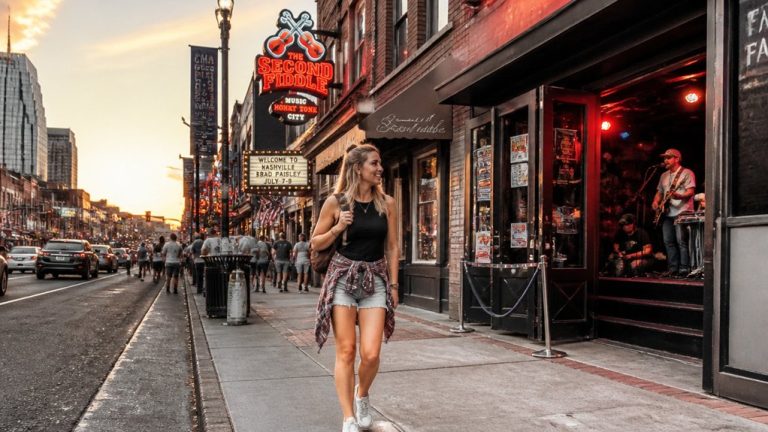
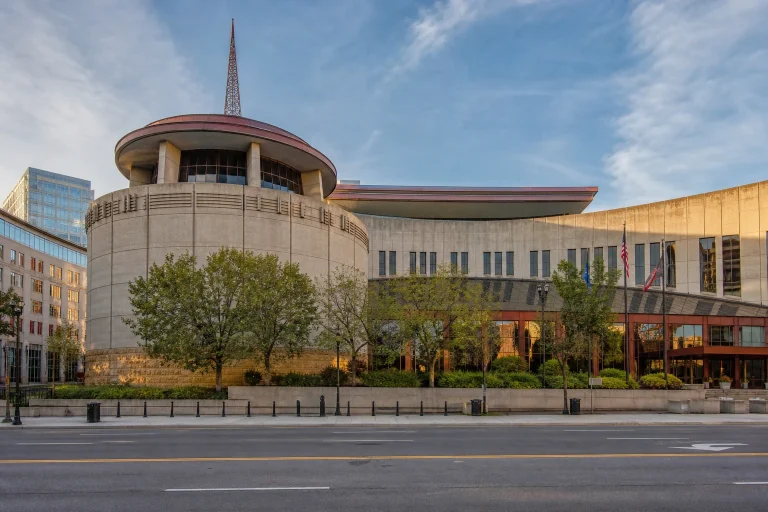
Right in downtown Nashville, the National Museum of African American Music stands at 510 Broadway, Nashville, TN 37203, in the middle of a lively stretch where music venues, neon signs, and dinner plans all compete for your attention. From here, you can walk to the Ryman, the Country Music Hall of Fame, and plenty of places to eat. The National Museum of African sits in a culture loop, so you can pair galleries with a show. Like the Tennessee State Museum, it serves as a guide to the stories and cultural treasures that shape the state. Typical hours list Sunday from 12:00 PM to 5:00 PM, but check nmaam.org before you go since schedules and closures can change. Lockers help you travel light and the museum store gives you a reason to linger. Outside, Broadway hums with guitar riffs, chatter, and neon temptation nearby.
Tickets, Admission, and Entry Tips
You’ll want a dated ticket before you go, and it’s smart to reserve an early time slot so you can start with the Roots Theater film and move through the timed galleries without rushing. At entry, you’ll get an RFID wristband that saves songs, videos, and recordings as you explore, so your visit keeps playing long after you leave. Lockers help with bags, and if shared headphones and touchscreens make you wary, pack a few wipes and you’ll feel ready for the day. If you’re also planning nearby museum stops, the Tennessee State Museum offers free admission and is open Tuesday through Saturday from 10 a.m. to 5 p.m.
Admission Options
Plan ahead for entry, because the museum uses timed tickets that you should book online with a chosen date and arrival window, and popular slots can show as likely to sell out. For the Museum of African American Music, check nmaam.org before you go, since some reports say admission is free, but current policies and special exhibit fees can change. Like the Country Music Hall of Fame, many music museums encourage advance planning so you can secure your preferred entry time. Once inside, you’ll get an RFID wristband. It stores songs, videos, and recordings from the galleries, then sends them to your email later, which feels a bit like carrying home a pocket jukebox. Bring wipes, too. Shared headphones and touchscreens are everywhere in the interactive exhibits, and a quick clean lets you tap, listen, and sing along with fewer worries during your visit there.
Places to stay for this itinerary
Pair the day-by-day plan with a hotel location that keeps the trip simple.
 Featured stay
 Drury Plaza Hotel Nashville Downtown
- Free WiFi
- Non-smoking rooms
- Air conditioning
Central Location in Nashville Located in the heart of Nashville, Drury Plaza Hotel Nashville Downtown offers air-conditioned rooms with modern amenities and a range of facilities for a comfortable stay. Convenient Amenities Guests can enjoy a…
- Room, 1 King Bed, Hearing Accessible (Hearing…
- Breakfast Included
- Non-refundable rate
 Guest favorite
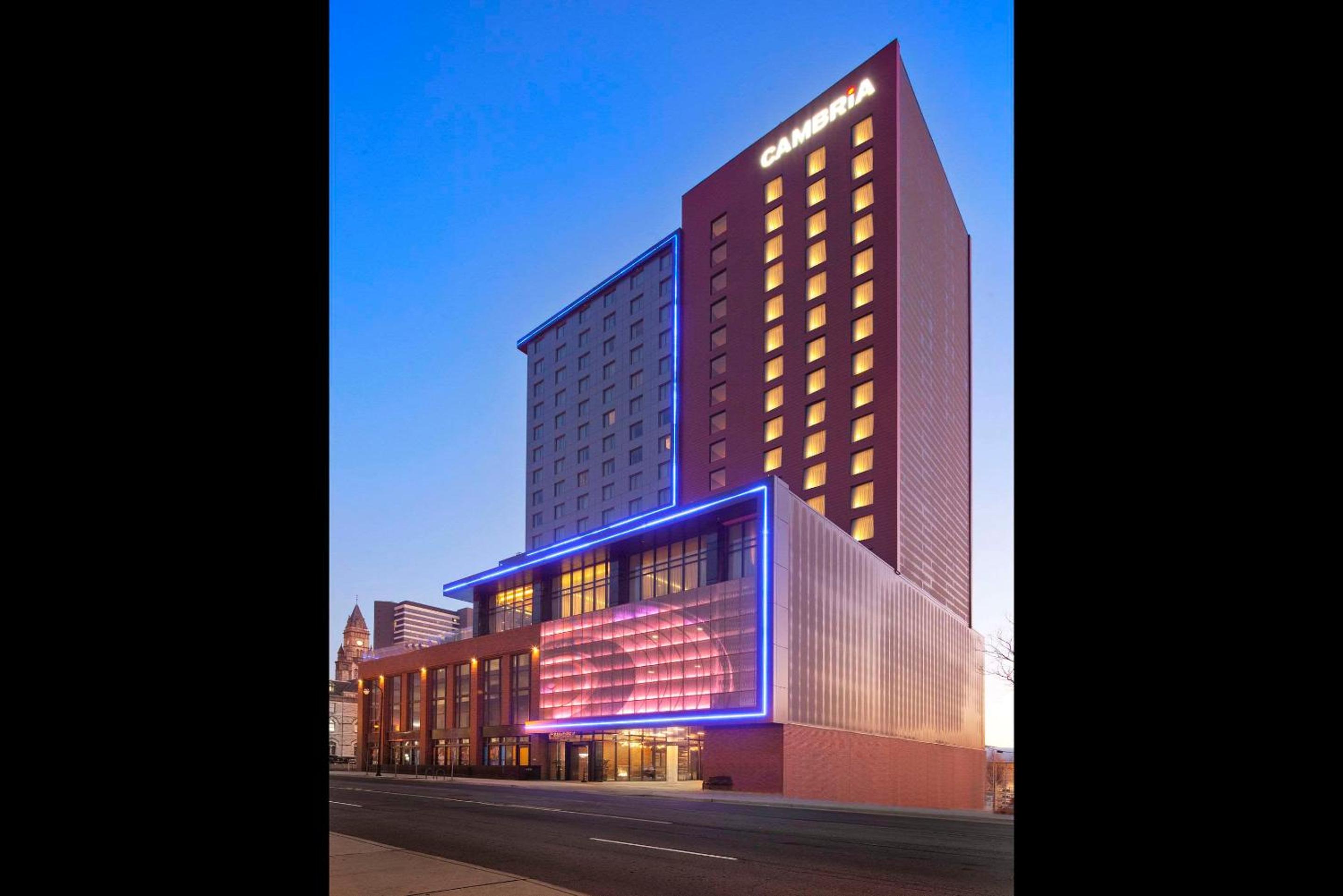
 Cambria Hotel Nashville Downtown
- Free WiFi
- Non-smoking rooms
- Air conditioning
Central Location Located in the heart of Nashville, Cambria Hotel Nashville Downtown offers a convenient stay near popular attractions like Bridgestone Arena, Ryman Auditorium, and the Johnny Cash Museum. Modern Amenities Enjoy air-conditioned rooms, an outdoor…
- 2 Queen Beds, Nonsmoking, Accessible
- Room Only
- Refundable until Nov 11
 Guest favorite
 La Quinta Inn & Suites by Wyndham Nashville Downtown Stadium
- Free WiFi
- Non-smoking rooms
- Air conditioning
Central Location in Nashville Located in the heart of Nashville, La Quinta Inn & Suites by Wyndham Nashville Downtown Stadium provides a convenient base for exploring the city. Situated near top attractions like Nissan Stadium and…
- 2 Queen Bed Room
- Breakfast Included
- Non-refundable rate
Timed Entry Tips
Timed entry shapes the whole visit, so book a date-specific ticket online before you go if you want your preferred arrival window. Your timed-entry ticket is the key to guaranteed admission, and popular slots can sell out. Check museum hours on nmaam.org, then choose an entry that gives you 1.5 to 2 hours. Start in the Roots Theater and move into Rivers of Rhythm without rushing. If you’re comparing Nashville stops, the Country Music Hall of Fame and Museum also offers Historic RCA Studio B tours as part of its broader campus experience.
| Step | Why it matters | Your move |
|---|---|---|
| Reserve early | Avoid sell-outs | Buy online |
| Pick enough time | Interactive galleries reward lingering | Allow 2 hours |
| Choose wristband features | Save playlists and videos later | Review options online |
At entry, you’ll get an RFID wristband that captures favorites and sends them to your email. Bring wipes for shared screens and headphones too.
On-Site Essentials
Grab your timed-entry ticket before you head over, because admission is tied to the date and arrival window you choose at purchase, and popular slots can fill fast. Some reviewers mention free entry, but you should verify current pricing, hours, and any closures on nmaam.org before you go. As part of exploring Nashville’s Black history sites, this museum pairs practical planning with a deeper cultural experience.
- Pick up your RFID wristband at entry. It saves songs, videos, and your own recordings from interactive galleries, then links everything to an online account emailed later.
- Travel light. Lockers hold extras, and shared headphones and touchscreens make wipes a smart pocket item.
- Start in the main lobby or Roots Theater, then move through Rivers of Rhythm. Give yourself 90 to 120 minutes so the sound, screens, and stories can breathe around you.
What Happens When You Arrive at NMAAM
Step into NMAAM and your visit starts in the warm, inviting Press Play lobby, where 3D carved instruments rise from the walls and soft blue lighting gives the space an easy, after-hours glow. In the Museum of African American Music, you’ll grab an RFID wristband at entry and link it to a digital account. That small band does a lot. It saves playlists, videos, and your own recorded moments for an emailed gallery later. From there, you’ll head into Rivers of Rhythm, a corridor timeline that ties American history to Black musical change through touch tables and bright media displays. Keep your wristband handy. You’ll use it at interactive stations to sing in choir robes, build blues tracks, try jazz improvisation, and download them later. After exploring the exhibits, many visitors continue their music-focused day by checking out live music venues around Nashville.
Start in the Roots Theater
Start your visit in the Roots Theater, where a 15-minute film gives you the cultural foundation for everything you’ll see next. You’ll hear the stories and sounds that shape African American music, then spot those threads again as you move into the galleries. It’s the smartest place to begin, and it helps the museum click before you’re tempted by all the buttons, beats, and bright screens. As one of the best museums in Nashville, this opening experience sets the tone for a thoughtful and engaging visit.
National Museum of African American Music Admission
The National Museum of African American Music will stand as an international iconic cultural museum dedicated to the...
Country Music Hall of Fame and Museum Admission
For over half a century the Country Music Hall of Fame and Museum has been home to a growing collection of over 2.5...
Nashville RCA Studio B & Country Music Hall of Fame Ticket Combo
RCA STUDIO B Walk in the footsteps of legends with a tour of the Historic RCA Studio B. Hear inside details from fam...
Cultural Foundation
Before you head into the museum’s bigger galleries, settle into the Roots Theater for the 15-minute film that gives the whole visit its foundation. You’ll hear how early African musical traditions echo into American styles, and you’ll feel the museum’s themes click into place. It’s short, but it does heavy lifting without feeling like homework. Like the Frist Art Museum’s Architecture Tours, it helps visitors understand the bigger story before diving into individual spaces.
- You get the big picture before details start flying.
- You trace the path from Africa to America through sound and story.
- You catch key ideas like spiritual uplift, Southern influence, and jazz beginnings.
From the Roots Theater, everything that follows makes more sense. Artifacts, recordings, and immersive spaces stop feeling separate. Instead, you see one living story about music shaping American life. That clarity is the museum’s quiet superpower.
Visit Starting Point
That foundation clicks into place the moment you make the Roots Theater your first stop. You’ll spend about 15 minutes with an immersive film that gives African American music its historical pulse and emotional weight. It’s the kind of orientation that helps everything else make sense.
Much like a first-timer guide helps visitors get more from the Grand Ole Opry, this opening film gives you the framework to appreciate what follows. When you step into the Rivers of Rhythm corridor afterward, the museum’s timeline feels clear instead of crowded. You can trace American history alongside shifting sounds and styles. Starting in the Roots Theater also sharpens what you’ll notice later in Wade in the Water, Crossroads, and A Love Supreme. The hands-on galleries land better too. You’re not just singing with the choir, building a blues song, or trying jazz improvisation cold. You’re stepping into a story with context, texture, and a much better beat.
Follow the Rivers of Rhythm Corridor

At the heart of the museum, the Rivers of Rhythm corridor works like a living timeline you can walk through. You move from the forced journey from Africa to the Americas into key moments where history and music keep answering each other. Giant video walls glow. Headphones deliver songs and speeches. Touch tables let you jump between eras without losing the thread.
- Scan your RFID wristband to save playlists, videos, and even your own recordings.
- Tap through dates to see how events shaped sound, style, and story.
- Pause in the intermediate space after the film and before the galleries. It ties everything together.
Rivers of Rhythm feels clear, immersive, and wonderfully hands-on. You’ll probably linger longer than planned on your visit. If you’re exploring more of the city’s cultural stops, the Frist Art Museum is another standout Nashville museum to consider.
Explore Wade in the Water
Step into Wade in the Water and the mood shifts from timeline to testimony. You move from the Rivers of Rhythm corridor into a gallery where faith, feeling, and community rise together. Gospel and spiritual traditions anchor the space, and you hear how sacred songs shaped later American sounds. Then you join in. Interactive choir stations invite karaoke-style sing-alongs, and your recorded performance can ride away on your RFID wristband. Like Hatch Show Print, it shows how Nashville preserves music history through immersive, hands-on storytelling.
| You see | You hear | You do |
|---|---|---|
| Warm lighting | Layered voices | Sing along |
| Shared screens | Gospel roots | Save your take |
Wade in the Water feels immersive, communal, and deeply human. Even shy visitors may end up harmonizing a little. It’s the kind of stop that nudges history off the wall and into your own voice today.
Still comparing National Museum Of African American Music?
Ask for tour ideas, hotel suggestions, or a simple trip plan that combines both.
Trip Helper
Discover Crossroads and the Blues
Move into Crossroads and the sound shifts again, this time toward the South where the blues first took shape in work songs and field hollers from the Deep South and Mississippi Delta. Here, you trace how place, labor, and memory shaped African American Music. Immersive screens, artifacts, and viewing rooms surround you with raw voices, steady rhythms, and call-and-response patterns. Like Nashville’s Parthenon guide, this section rewards visitors who slow down and explore it like a local.
- Build and record your own blues song by choosing a lyrical situation. It’s personal, playful, and surprisingly revealing.
- Follow migration routes and local scenes that carried southern blues across America.
- Watch performances and artist stories that show how the blues fed gospel, early soul, R&B, and rock.
You don’t just hear Crossroads. You feel the South breathe through every guitar twang and worn photograph.
Experience A Love Supreme and Jazz
After the grit and ache of Crossroads, A Love Supreme opens into a cooler, more spacious soundscape where jazz starts to stretch and breathe. You enter after Roots Theater and Rivers of Rhythm, where timelines and media place jazz inside American history.
| You notice | You can do |
|---|---|
| Congo Square roots and New Orleans growth | Trace jazz’s path across decades |
| Giant video walls and immersive rooms | Test improvisation with layered solos |
In A Love Supreme, smooth, meditative sounds wash over you. Artist stories glow across the walls. Hands-on stations let you build phrases, try a solo, and hear how small choices change the mood. It’s thoughtful, inviting, and just playful enough. You linger a little longer than planned, which feels right in a gallery built for listening, looking, and quiet surprise. Like Nashville’s RCA Studio B, the space shows how a studio can shape the sound and feeling of American music.
Continue to R&B, Funk, and Hip-Hop
The mood shifts from jazz’s open-ended conversation to a harder, deeper pulse as you continue into One Nation Under a Groove and The Message. At the National Museum of African American Music (NMAAM), you trace R&B from early rhythm-and-blues into 1970s funk, where syncopated basslines lock in and the whole room seems to move. Multimedia walls pair archival performances with interviews, showing how funk pioneers shaped grooves that hip-hop producers later sampled. Then The Message brings you from late-1970s block parties to global influence through breakbeats, MCing, DJing, and political lyrics. For visitors exploring Nashville beyond its country roots, these galleries highlight African American music as a defining force in the city’s broader musical story.
- Watch the lineage unfold across screens.
- Listen for bass, horns, and drum breaks.
- Note how each gallery builds on the last.
It’s a bridge, and your feet may keep time.
Try NMAAM’s Interactive Experiences

Soon, you stop being just a viewer and start making music with NMAAM’s interactive galleries. Interactive technology makes it personal from the start. Your RFID wristband stores recordings, playlists, and videos, then sends everything to an emailed link you can download later. In Wade in the Water, you pull on a choir robe and sing along karaoke-style with a recorded choir. In Crossroads, you build a blues song by picking lyrics and instrumental parts. Rivers of Rhythm adds touch tables, giant video-wall galleries, headphones, and genre maps. Elsewhere, creative studios let you try jazz improvisation, layer studio-style tracks, or practice pop-and-lock moves. Yes, your wristband remembers those too, mercifully. for shy dancers and brave singers alike today so the museum follows your curiosity home. Fans who enjoy hands-on music history in Nashville often also add the Johnny Cash Museum to their itinerary.
National Museum of African American Music Admission
The National Museum of African American Music will stand as an international iconic cultural museum dedicated to the...
Nashville RCA Studio B & Country Music Hall of Fame Ticket Combo
RCA STUDIO B Walk in the footsteps of legends with a tour of the Historic RCA Studio B. Hear inside details from fam...
Country Music Hall of Fame and Museum Admission
For over half a century the Country Music Hall of Fame and Museum has been home to a growing collection of over 2.5...
See The Soundtrack of the Pitch
- Meet Miles Robinson, Jeremy Ebobisse, Nkosi Tafari, Emeka Eneli, and Justin Morrow through Sonic Profiles and exclusive playlists.
- Tap into multimedia features that show how rhythm shapes focus, teamwork, and identity on and off the pitch.
- Browse this online stop when you want fresh sounds, strong stories, and a museum visit without sore feet. It’s crisp, easy to navigate, and surprisingly moving. You may leave humming before dinner tonight.
- It also pairs well with rainy day plans around Nashville when you want an inspiring indoor cultural experience.
Explore NMAAM Education Programs
Few museum programs make learning feel this hands-on, and NMAAM leans all the way in. You don’t just look and listen. You join curriculum-aligned tours, sing with a choir, build beats, and step into recording activities that turn African American Music into something you can hear and make. If you’re visiting with students or educators, the museum also offers classroom-ready resources and support for projects. The Interludes Summer Program adds workshops and immersive museum time for young creators. During many visits, RFID wristbands save your playlists, videos, and recordings, then send them to your email for later reflection. Ask a Librarian and local research partners help you keep exploring after you leave Nashville’s galleries behind. It’s practical and fun, like homework with a backbeat. Visitors planning a broader cultural day in Nashville should note that the nearby Tennessee State Museum offers free admission and public programs of its own.
Consider Membership and Private Events
If you want to turn a great visit into something more lasting, membership and private events at NMAAM are worth a close look.
- Join the museum as a member to support its mission and unlock useful perks. You may get discounted rental rates, priority booking, and special access to programs. Sign up at nmaam.org.
- Book a private event in spaces like the Roots Theater or the Feature Gallery. You can pair sleek design with history, culture, and even live music.
- Ask about extras that make guests smile. Event packages may include immersive exhibits, digital wristbands for saving recordings and playlists, and tailored proposals. Use the Visit page or contact event sales for pricing and availability and membership levels that fit your plans just right.
At Nashville’s historic estate, complimentary general admission is one of the highlighted membership benefits.
What Makes NMAAM Different
What sets NMAAM apart is how fully it lets you move through African American music as a living story, not just a set of artifacts behind glass. You start with the Roots Theater, then follow a clear timeline through Rivers of Rhythm and galleries that connect spirituals, blues, jazz, gospel, soul, funk, and hip hop to American life. An RFID wristband lets you build playlists, save videos, and keep your own recordings for later, so the visit keeps going after you leave. Like Nashville’s Bluebird Cafe, it treats music as something intimate, lived, and shaped by the people who create it. You can study photos and stage-worn memorabilia, then step into choir robes, make beats, try blues lyrics, improvise jazz, or test your moves in the breakdancing studio. That’s why African American Music feels vivid here, not distant and a little gloriously loud.
Frequently Asked Questions
Is Photography Allowed Inside the Museum Galleries?
Yes, you can take photos inside the museum galleries, but you can’t use flash, tripods, or selfie sticks. Check the Photography Policy and posted signs, because special exhibitions or programs may restrict photography further sometimes.
Are Lockers or Coat Storage Available for Visitors?
Yes—over 60% of museums offer storage, and you’ll find lockers and coat storage available for your visit. You can store items before entering, then pass through Bag Checkpoints quickly and explore inside the museum today.
Does NMAAM Offer Accessibility Accommodations for Disabilities?
Yes, you’ll find Accessible accommodations at NMAAM, including wheelchair access, elevators, and other Accessibilities for disabilities. You can contact guest services ahead of time, and they’ll help you plan a comfortable, inclusive visit there today.
Is Parking Available Nearby, and How Much Does It Cost?
Like a beacon, Nearby parking surrounds you, and you’ll find paid garages and lots within walking distance. You can expect rates to vary by location, but they typically start around $10 there and climb higher.
Can Visitors Bring Outside Food or Drinks Into NMAAM?
No, you can’t bring outside food or drinks into NMAAM. Outside refreshments aren’t permitted inside the museum, so you’ll need to finish them beforehand or check for nearby dining options before you enter the exhibits.
Conclusion
You’ll leave NMAAM with more than a playlist. You’ll carry fresh links between gospel, blues, jazz, hip-hop, and the Nashville streets just outside the doors. Start with the film, tap your RFID wristband, and give yourself time to linger where the bass hums and old photos glow. As the saying goes, good things come to those who wait, and this museum rewards every unhurried minute. Then step outside ready for your next stop out there.
National Museum of African American Music Admission
The National Museum of African American Music will stand as an international iconic cultural museum dedicated to the vast contributions African Americ...
Nashville RCA Studio B & Country Music Hall of Fame Ticket Combo
RCA STUDIO B Walk in the footsteps of legends with a tour of the Historic RCA Studio B. Hear inside details from fam...
Country Music Hall of Fame and Museum Admission
For over half a century the Country Music Hall of Fame and Museum has been home to a growing collection of over 2.5...