Music Row Nashville Guide
How Music Row Nashville still sets the tempo—tour Studio B, spot hidden landmarks, and discover what most visitors miss.
Choose the Nashville music experience that fits your night.
The Opry, Ryman, songwriter rooms and music-history stops all tell a different part of the city. Compare timing, seating, location and how much structure you want.
Music Row is Nashville’s polite way of saying the city means business. You walk a mile from downtown and trade neon for brick studios, label offices, and quiet sidewalks where guitars once shaped the Nashville Sound. You can tour RCA Studio B, spot the Musica roundabout, and pass doors that still hum with session work. Go early on a weekday, mind the active studios, and you’ll start to see why this stretch still sets the tempo.
Key Takeaways
- Music Row centers on 16th and 17th Avenues South, about a mile from downtown Nashville, and is the historic heart of the city’s recording industry.
- Highlights include RCA Studio B, the Quonset Hut, Columbia Studio A, Owen Bradley Park, the Monument Records Building, and the Musica roundabout.
- RCA Studio B, built in 1957 and nicknamed the “Home of 1,000 Hits,” requires advance reservations through the Country Music Hall of Fame.
- Expect a quiet, working district rather than a tourist strip, so admire exteriors, respect active businesses, and keep noise low.
- For the best self-guided visit, go weekday mornings, start at Musica, and allow 1 to 2 hours for a simple walking loop.
What Is Music Row Nashville?

Think of Music Row as Nashville’s engine room. You won’t find nonstop buskers here. Instead, Music Row hums behind closed doors, where recording studios, label offices, and music publishing houses turn songs into careers. This district helped create the Nashville Sound, a smoother country style shaped by producers like Owen Bradley and Chet Atkins. You can feel that legacy in famous rooms like RCA Studio B and the old Quonset Hut, where legends cut tracks. Some visitors explore that history through studio tours that spotlight Nashville’s top recording spaces. While Broadway sells the show, Music Row handles the craft. Songwriters pitch. Producers tweak. Artists chase the take that sticks. You’re visiting a place where music history still feels active, not sealed behind glass. Even the quiet seems busy, like a chorus warming up before the red light turns on.
Where Is Music Row in Nashville?
Once you know Music Row runs the business side of Nashville’s sound, it gets easier to place it on the map. You’ll find Music Row centered on 16th Avenue South and 17th Avenue South, about a mile southwest of downtown. The district stretches a few blocks from Demonbreun Street toward Centennial Park, with Vanderbilt University and Midtown close by.
As you wander, look for the Musica roundabout near Music Circle Drive and the historic RCA Studio B. RCA Studio B is one of Nashville’s most legendary recording spaces and a key landmark on Music Row. This isn’t one loud strip of honky-tonks. Studios, publishers, and label offices sit along long, narrow streets instead. You can walk here from downtown in 15 to 25 minutes, or hop on a scooter or rideshare. Parking’s limited, so nearby paid lots can save you a lap.
Why Music Row Still Matters
Step onto Music Row and you’re standing where Nashville’s music business learned how to turn songs into a worldwide export. Here, recording studios, publishing houses, and label offices still shape what you hear, even if the magic happens behind closed doors.
Places to stay for this itinerary
Pair the day-by-day plan with a hotel location that keeps the trip simple.
 Featured stay
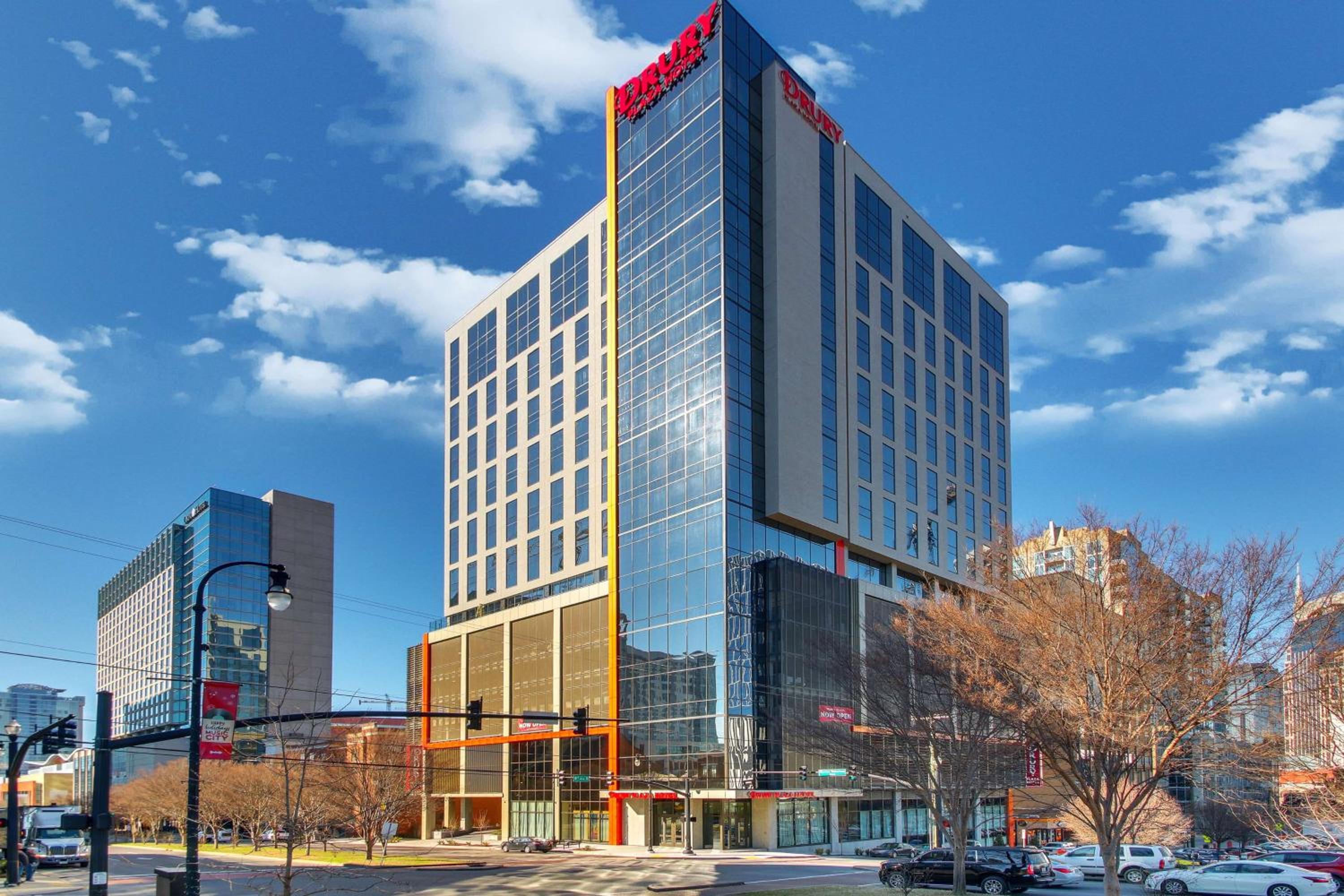
 Drury Plaza Hotel Nashville Downtown
- Free WiFi
- Non-smoking rooms
- Air conditioning
Central Location in Nashville Located in the heart of Nashville, Drury Plaza Hotel Nashville Downtown offers air-conditioned rooms with modern amenities and a range of facilities for a comfortable stay. Convenient Amenities Guests can enjoy a…
- Room, 2 Queen Beds, Hearing Accessible (Hearing…
- Breakfast Included
- Refundable until Sep 25
 Guest favorite
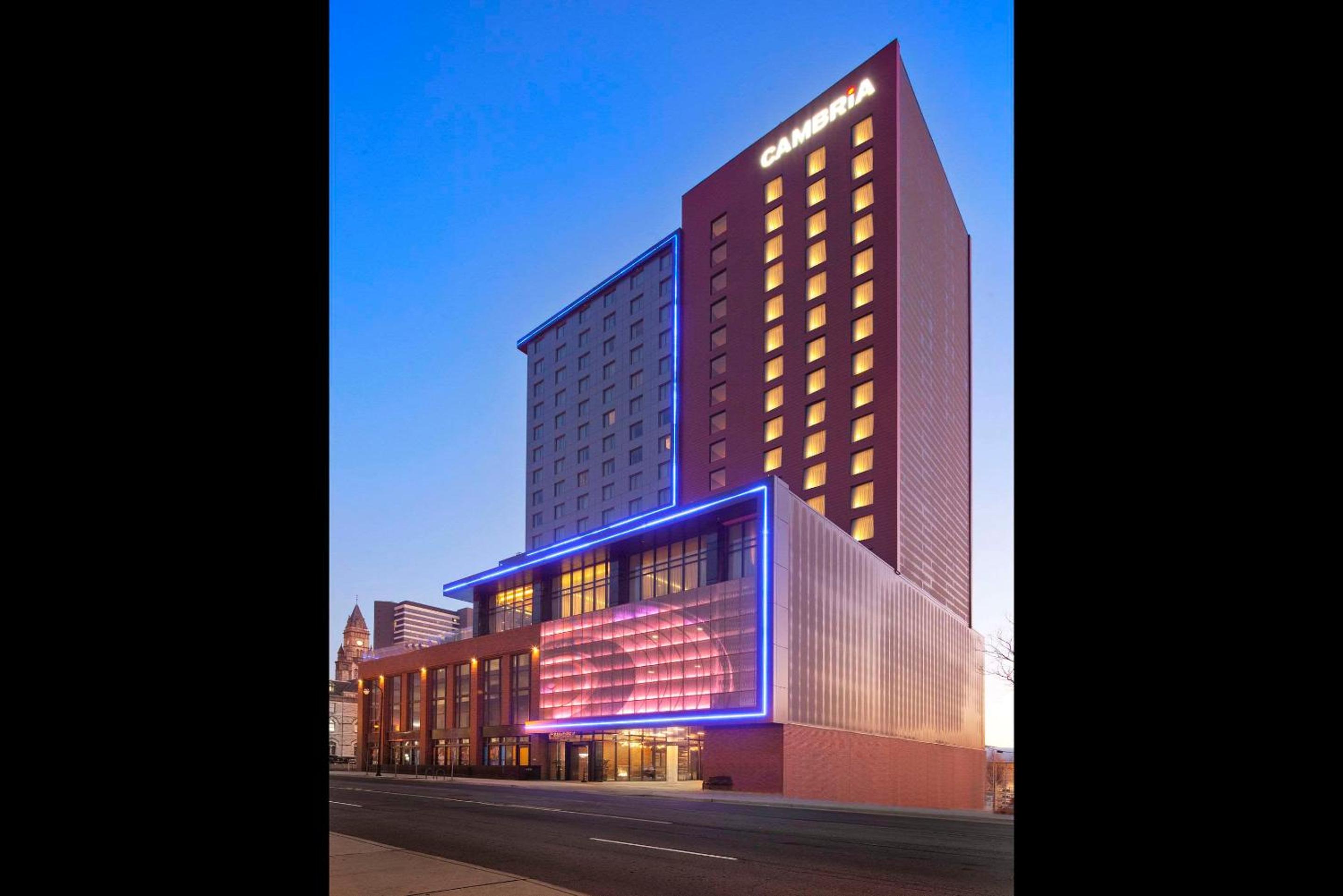
 Cambria Hotel Nashville Downtown
- Free WiFi
- Non-smoking rooms
- Air conditioning
Central Location Located in the heart of Nashville, Cambria Hotel Nashville Downtown offers a convenient stay near popular attractions like Bridgestone Arena, Ryman Auditorium, and the Johnny Cash Museum. Modern Amenities Enjoy air-conditioned rooms, an outdoor…
- 2 Queen Beds, Nonsmoking
- Room Only
- Non-refundable rate
 Guest favorite
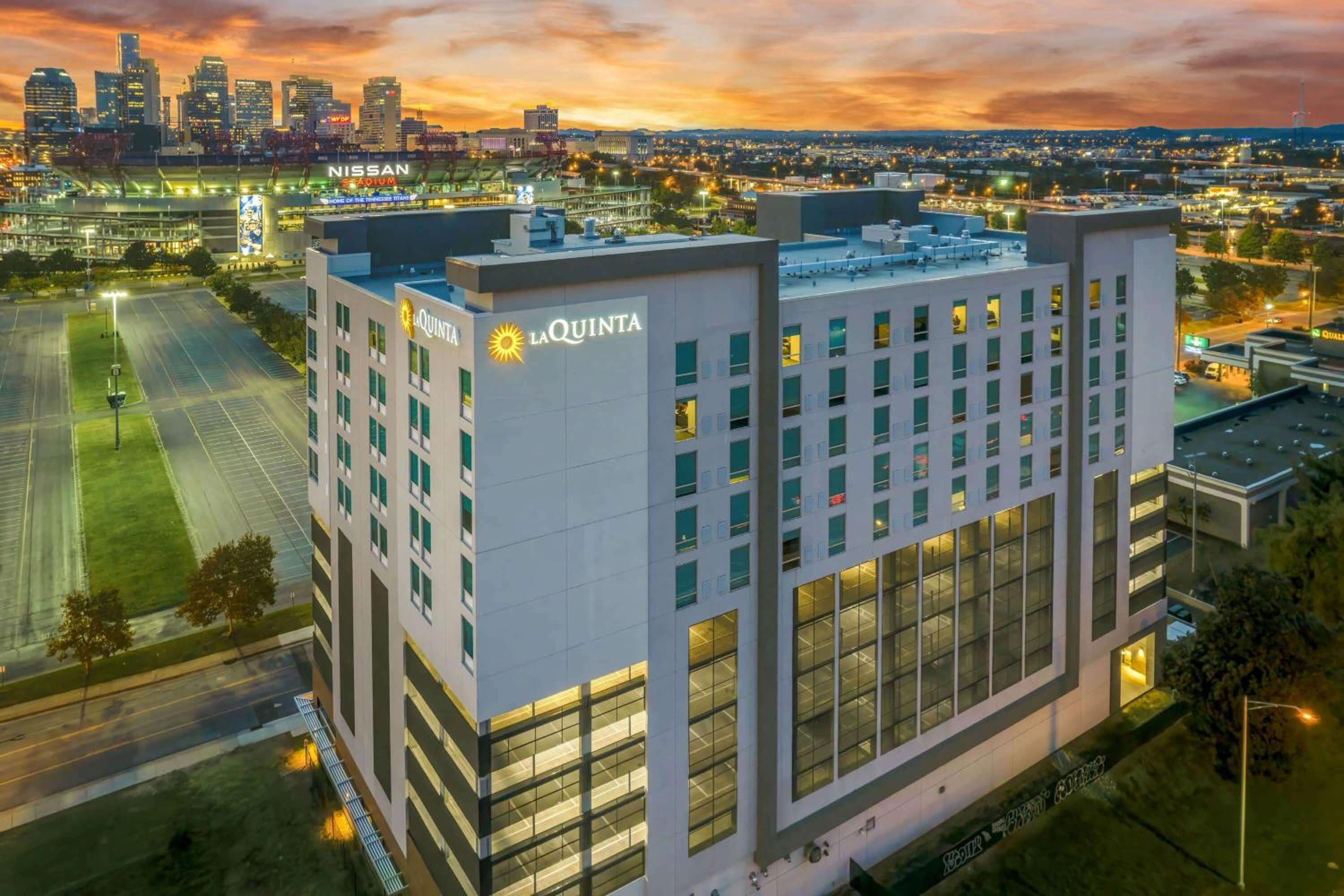
 La Quinta Inn & Suites by Wyndham Nashville Downtown Stadium
- Free WiFi
- Non-smoking rooms
- Air conditioning
Central Location in Nashville Located in the heart of Nashville, La Quinta Inn & Suites by Wyndham Nashville Downtown Stadium provides a convenient base for exploring the city. Situated near top attractions like Nissan Stadium and…
- 2 Queen Beds, Non-Smoking
- Breakfast Included
- Non-refundable rate
| Why it matters | What you notice |
|---|---|
| Nashville Sound | Country reached pop audiences |
| RCA Studio B | Hitmaking legacy still echoes |
| songwriting | Demos become tomorrow’s singles |
| publishing houses | Songs turn into income |
Nearby, Hatch Show Print reflects how Nashville’s music industry also built a visual identity through bold letterpress posters for concerts and performers. You can trace a line from Elvis, Dolly Parton, and Bob Dylan to today’s producers. Music Row still matters because it keeps Nashville’s creative engine running. Its history isn’t trapped in amber; it’s still booking sessions, shaping masters, and showing you how the business of songs can outlast trends and keep evolving daily.
What Is Music Row Like to Visit?
When you visit Music Row, you step into a compact, behind-the-scenes part of Nashville where the real action happens inside studios, publishing houses, and offices, not out on the sidewalk. You can spot legendary places like RCA Studio B, snap photos by the Musica sculpture or Owen Bradley’s statue, and if you plan ahead, you can grab a tour before they sell out. On a wet afternoon, this area also pairs well with other rainy day things to do in Nashville. After that, you can eat nearby, wander to spots like Belmont Mansion or the Gallery of Iconic Guitars, and enjoy a quieter counterpoint to Broadway’s full-volume buzz.
Behind-The-Scenes Atmosphere
Although Music Row sits just about a mile southwest of downtown Nashville, it feels more like a working creative campus than a tourist strip. As you walk along Music Square West and nearby avenues, you notice low offices, discreet recording studios, and people moving with purpose. You might pass RCA Studio B, the Quonset Hut, or Owen Bradley Park, but the real action stays mostly indoors.
That hidden energy shapes your visit. You hear a guitar riff through a doorway, spot songwriters heading to meetings, and feel a quiet buzz instead of Broadway-style noise. Streets stay easy to explore on foot, though parking can test your patience. Go early for light and quieter sidewalks. If you’ve booked tours, check schedules first since events can tighten traffic. Even within Nashville’s beyond country scene, Music Row stands out more as a behind-the-scenes songwriting and recording hub than a place built for casual nightlife wandering.
Historic Studios And Landmarks
Studio history gives Music Row its real pull, and you feel it most around 16th and 17th Avenues South, where plain-looking buildings hold some of Nashville’s biggest musical stories. On Music Row, the magic hides in modest facades and quiet driveways, not flashy marquees.
You spot legends in places like RCA Studio B, the 1957 Home of 1,000 Hits, where Elvis Presley, Dolly Parton, and Chet Atkins cut classics. The Columbia Quonset Hut and nearby Columbia Studio A carry their own weight, tied to Bob Dylan, Johnny Cash, and Simon & Garfunkel. Some historic recording studios still work daily, so the streets feel focused and businesslike. Owen Bradley Park offers photos, while RCA Studio B access goes through the Country Music Hall of Fame. If you want to extend the historic music experience after Music Row, the nearby Ryman Auditorium features the Opry 100 exhibit with memorabilia tied to artists like Dolly Parton and Johnny Cash.
Tours, Dining, Nearby Spots
Music Row feels quieter than first-time visitors often expect, and that’s part of its charm. You won’t find many sidewalk shows here. Most action stays tucked inside recording studios, so tours focus on guided stories and reserved stops instead of open-door wandering.
Book RCA Studio B through the Country Music Hall of Fame early, because popular tours sell out fast. If you arrive in the morning, you’ll catch softer light and fewer people around Music Row. For a broader look, ride the Old Town Trolley or take a self-guided walk past Musica and Owen Bradley Park. Music Row is one of the best neighborhoods to stay in Nashville for first-timers who want a quieter base with easy access to major sights. Just remember that many buildings are active workplaces. When you’re hungry, try Row Kitchen & Pub, Hattie B’s Hot Chicken, or Barcelona Wine Bar nearby. Use rideshare or scooters from downtown.
What Are the Top Things to See?
You’ll want to start with the historic studios, where RCA Studio B, the Quonset Hut, and Columbia Studio A put you face to face with the rooms that shaped Nashville’s sound. Then you can spot Music Row landmarks like the Musica sculpture at the roundabout and the Owen Bradley statue, both easy photo stops with a little local legend built in. If you’re curious how it all connects, nearby attractions like the Country Music Hall of Fame and the plaques, murals, and studio exteriors around the neighborhood fill in the story without making your feet hate you. If you want to branch out from Music Row, the Nashville Parthenon offers another iconic look at the city’s cultural side.
Historic Recording Studios
Start with RCA Studio B, because few places on Music Row bring the past to life so quickly. Built in 1957, this famous room earned its Home of 1,000 Hits nickname, and you can tour it through the Country Music Hall of Fame. Inside, you picture Elvis, Dolly Parton, and Chet Atkins chasing the perfect take.
Then look for the Quonset Hut, the first commercial studio here and a birthplace of the Nashville Sound. Next door, Columbia Studio A adds serious history, with sessions by Bob Dylan, Johnny Cash, and Simon & Garfunkel. The nearby Country Music Hall of Fame offers helpful context before or after your studio visits. As you explore these historic recording studios, keep Owen Bradley Park and the Music Row roundabout nearby as easy orientation points. They help you stitch the story together without needing roadie.
Music Row Landmarks
Landmarks make Music Row easy to read at street level, and the best quick stop is the Musica statue at the roundabout near 16th and 17th Avenues. From there, you can trace the neighborhood’s story through names that shaped Nashville sound. RCA Studio B stands out first, a modest building with giant musical history. The Quonset Hut marks the row’s early studio spirit, while Columbia Studio A shows how much creative weight one block can hold. Pause at Owen Bradley Park for a breath of green and a nod to the producer behind so much polish. Then spot the Monument Records Building, tied to Roy Orbison and Kris Kristofferson. You won’t need a map for long. The landmarks do the guiding for you here. If you want another Nashville history stop after Music Row, Andrew Jackson’s Hermitage offers a different lens on the city’s past.
Nearby Visitor Attractions
Once the street names and studio facades begin to click, the best nearby attractions turn that orientation into a full outing. Book RCA Studio B through the Country Music Hall of Fame, then stand where Elvis, Dolly, and Chet cut hits. At the roundabout, snap the Musica sculpture and use it to anchor your walk along 16th and 17th. Pause in Owen Bradley Park, where the bronze tribute and a stray guitar line can make the afternoon feel charmed. As you wander, look for the Quonset Hut and Columbia Studio A, both stitched into sessions by Dylan, Cash, and Simon & Garfunkel. If you’ve still got time, hop to Belmont Mansion or try your luck at the Bluebird Cafe for a late show. For a polished art stop beyond Music Row, the Frist Art Museum in Nashville adds rotating exhibitions in a landmark downtown setting.
RCA Studio B and Historic Landmarks
Stepping onto Music Row, you’ll find RCA Studio B standing quietly at the center of Nashville history, a modest building with an outsized legacy. Built in 1957, this landmark earned the nickname Home of 1,000 Hits, and you can feel why the moment you picture its acoustics and equipment.
Inside one of Nashville’s historic recording studios, Elvis Presley cut more than 200 songs, including sessions for How Great Thou Art. Producers like Chet Atkins and Owen Bradley also shaped the Nashville Sound here, giving country music a smoother pop glow. RCA Studio B still anchors Music Row with authority. Guided tours are arranged through the Country Music Hall of Fame, and reservations matter because demand stays high. Even the walls seem ready for chorus. For visitors tracing country music history across the city, the Johnny Cash Museum adds another essential stop in downtown Nashville.
Can You Tour Music Row?
For anyone wondering if Music Row is open to visitors, the answer is yes, but you’ll tour it a little differently than a museum district. You can visit Music Row through guided tours, ticketed historic stops, and self-guided walking tours, but most recording studios still work daily behind their doors.
- Book RCA Studio B through the Country Music Hall of Fame. Reservations matter.
- Expect exteriors at active studios like Sony, Ocean Way, and Blackbird.
- Look for the Quonset Hut and Owen Bradley Park on many tours.
- Go on a weekday if you can. Traffic and festival crowds can turn the vibe from soulful to honky-tonk obstacle course. You’ll hear buses, guitars, and city hum, then spot history tucked into brick facades all around here.
If you’re planning a broader Nashville music itinerary, pair Music Row with the Grand Ole Opry for a strong first-timer overview of the city’s recording and performance legacy.
How to Do a Self-Guided Walk
Start at the Music Row roundabout by the Musica statue, then follow 16th and 17th Avenues South so you can get your bearings and pass the tight cluster of studios and publishing houses. As you walk, stop for photos at RCA Studio B, the Quonset Hut, Columbia Studio A, and the Monument Records building, then catch your breath at Owen Bradley Park where you might hear a little music drifting out if the street gets lucky. Give yourself 1 to 2 hours, wear comfortable shoes, go early for softer light and fewer crowds, and remember that these are working spaces so you’ll want to keep quiet, watch parking, and book ahead if you want to step inside. If you are pairing this walk with a broader downtown itinerary, the Downtown Nashville travel guide can help you connect Music Row with the city’s other core sights.
Plan Your Route
If you want the easiest way to get your bearings, begin at the Music Row roundabout by the Musica statue, where 16th and 17th Avenues South split off and lead you southwest from downtown, about a mile from Broadway.
- Give yourself 1 to 2 hours to wander Music Row at an easy pace.
- Follow 16th Avenue South and nearby side streets past recording studios, publishing houses, plaques, and exterior views of RCA Studio B and Owen Bradley Park.
- Use a map, wear comfortable shoes, and stick to sidewalks. Most buildings are working offices, so admire the facades and keep sessions undisturbed.
- Go early morning or weekday late afternoon for softer light and fewer people, and check festival calendars before you head out that day.
If you are mapping out a longer stay, a 7 Days in Nashville itinerary can help you fit Music Row into a relaxed trip focused on the city’s music heritage.
Must-See Music Landmarks
Music Row rewards a slow walk, and the best version begins at the roundabout by the Musica statue, where the neighborhood’s music-business mythology quickly turns into real places you can see. Head southwest to RCA Studio B, a 1957 legend known as the Home of 1,000 Hits, where Elvis recorded and tours connect through the Country Music Hall. Then pass the Quonset Hut, Owen Bradley’s pioneering studio, and nearby Columbia Studio A, both among Nashville’s most iconic recording studios. At Owen Bradley Park, you can spot his piano statue and catch stray notes from active rooms nearby. Continue along Music Square East and West for the former Monument Records office, murals, and session plaques. You’ll finish near modern studios and offices that keep Music Row humming today still. To broaden the story of Nashville sound, pair your walk with the National Museum of African American Music guide for deeper context on the artists and genres that shaped American music.
Walking Tips And Timing
Often, the easiest way to do a self-guided walk here is to begin at the Music Row roundabout by the Musica statue, then trace a simple 1 to 1.5 mile loop past RCA Studio B, the Quonset Hut, Owen Bradley Park, and the old Monument Records building. Give yourself 60 to 90 minutes for exteriors, plaques, and photography, and longer if you want a recording tour inside RCA Studio B. This route also works well as part of a car-free adventure through Nashville, especially if you’re relying on walking and rideshares instead of driving.
- Go before 10 AM on weekdays for softer light and quieter sidewalks, if possible.
- Wear comfortable shoes and expect limited parking, so use a rideshare around Music Row.
- Use a walking route map so murals, plaques, and Owen Bradley Park don’t slip by.
- If you’re extending the stroll, link Vanderbilt, Belmont, or the Parthenon.
Where Should You Eat Near Music Row?
Around Music Row, you can eat like a local without straying far from the studios. Start with The Row Kitchen & Pub on 16th Avenue for Southern comfort food and maybe a songwriter night. If you crave heat, Hattie B’s Hot Chicken sits a short drive away and serves spice levels from mild to dare-you hot, though lines can crawl. For shared plates and a mellow evening, Barcelona Wine Bar in Edgehill Village feels easy and stylish. Need coffee first? Barista Parlor gets you going fast. If you’re planning dinner, book The Catbird Seat for a tasting menu. Later, Losers Bar & Grill keeps things casual with burgers, drinks, and live music after dark nearby too for hungry studio explorers on busy Nashville days. If you want to keep exploring after your meal, nearby 12South Nashville adds more local charm with shops, cafes, and an easy neighborhood feel.
What Else Is Near Music Row?
If you want to stretch your day beyond the studios, several easy stops sit just minutes from Music Row.
- Walk to Edgehill Village for boutiques, patio tables, and an easy browse between bites.
- Head southeast to Belmont Mansion, where guided tours and tidy gardens bring Nashville’s 19th-century grandeur into view.
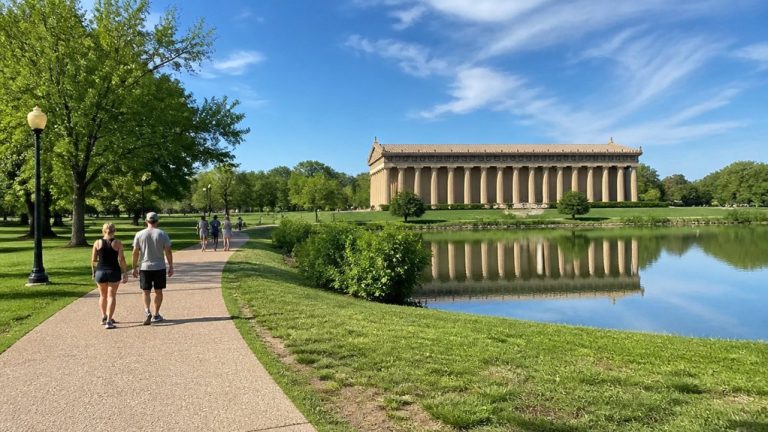
- Go west to Centennial Park and the Parthenon. You’ll find broad lawns, jogging paths, and a full-scale Greek surprise with art inside.
- Wander Vanderbilt University for stone buildings, leafy paths, and the occasional public event.
Music Row also works well as a base for exploring top Nashville neighborhoods that visitors often include in a longer trip.
If you’re hungry again, Hattie B’s Hot Chicken is close enough for a quick detour, and The Row Kitchen & Pub often adds live music to the night. You can cover most of it by foot or short rideshares.
Where Should You Stay Near Music Row?
After a day of studio lore and neighborhood wandering, where you stay can shape the whole Music Row experience. If you want the closest upscale base, Placemakr Premier SoBro gives you chef-ready kitchens, a pool, and flexible stays within a short walk or drive. Midtown and the Gulch keep you near restaurants and easy walks to the studios. If history calls, book near the Country Music Hall of Fame downtown. You can hop onto guided tours and RCA Studio B departures with little fuss. For travelers comparing hotels near Broadway, downtown Nashville also offers convenient stays with easy access to Music Row. For a quieter feel, choose Belmont-area lodging near Belmont University. You will be close to Columbia’s Quonset Hut and Owen Bradley Park, where the trees soften the city’s hum and morning coffee tastes especially well earned after all that songwriting.
When to Visit, Park, and Plan Ahead

Because Music Row sits only about a mile southwest of downtown, you can reach it in a 15 to 20 minute walk from Broadway, though a quick rideshare saves time when the heat rises or your schedule gets tight.
- Visit on weekdays for calmer sidewalks, quieter photo stops, and less traffic around Music Row in Nashville.
- Book studio tours early. RCA Studio B visits through the Country Music Hall of Fame often vanish during festival times.
- Expect limited parking. Try metered lots, scooters, or arrive early for street spaces and soft morning light.
- Check Nashville event calendars and newsletters before you go. A surprise concert can snarl traffic faster than your coffee cools. Weekends feel livelier, but workday hush lets old facades shine beautifully.
Frequently Asked Questions
Is Music Row Wheelchair Accessible for Visitors?
Yes, you’ll find accessible sidewalks and some wheelchair ramps on Music Row, but you should confirm elevator access, parking availability, ADA restrooms, and service animal policies with each venue, since studios and crossings can vary.
Are Pets Allowed on Music Row Walking Tours?
Yes, you can bring leashed pets on Music Row walking tours, but you’ll need to check each company’s pet policy. Service animals are allowed; practice pet etiquette, choose pet friendly routes, or use nearby kennels.
Can You Take Photos Inside Recording Studios?
Yes, you can sometimes take photos inside recording studios, but you’ll need to follow photography policies, respect artist privacy, obey equipment restrictions and flash limitations, consider studio acoustics, and confirm permit requirements before shooting carefully.
Is Music Row Suitable for Children and Families?
Yes, you’ll find child friendly venues, family photo spots, stroller friendly routes, kid focused exhibits, music workshops, and interactive tours, so you can explore safely with kids while pairing short walks with nearby attractions easily.
Are There Annual Music Industry Events on Music Row?
Yes, like clockwork, you’ll find annual showcases, awards ceremonies, songwriter rounds, industry mixers, trade conferences, and label showcases on Music Row during Tin Pan South, CMA Fest, and year-end gatherings, so you won’t miss opportunities.
Conclusion
You’ll leave Music Row hearing more than traffic. You’ll catch studio doors opening, guitars warming up, and the confidence of streets that changed country music. Book RCA Studio B early, walk the loop on a weekday morning, and keep your eyes up for plaques, brick cottages, and the Musica roundabout. As the saying goes, still waters run deep. This small district rewards patience, good shoes, and curiosity. Even parking becomes part of the story.
Still comparing Walking Tours?
Ask for tour ideas, hotel suggestions, or a simple trip plan that combines both.